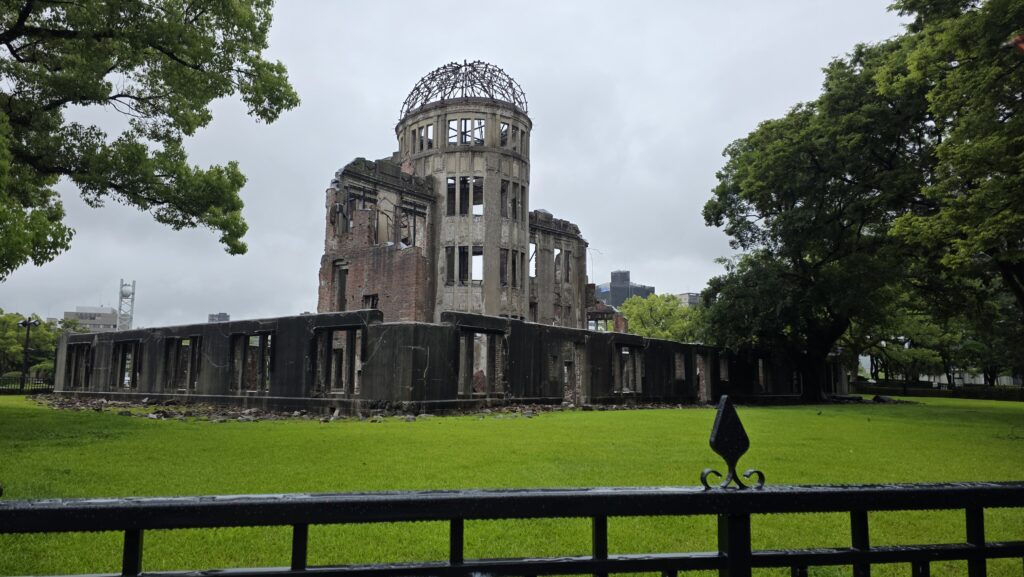
Entering the Hiroshima Peace Memorial Museum, students prepared to learn more about the history of Hiroshima and how it impacted by the atomic bomb. Meanwhile, SJMC Japan Academic Program Director Gilbert D. Martinez began to feel the weight of the visit and what it signified for the study abroad trip.
“This is the first time we’ve brought students to Hiroshima in this program,” Martinez said. “As grueling and emotionally painful as it was to learn about the devastation of the bomb, I was proud to stand with my students to bear witness and always remember what happened here.”
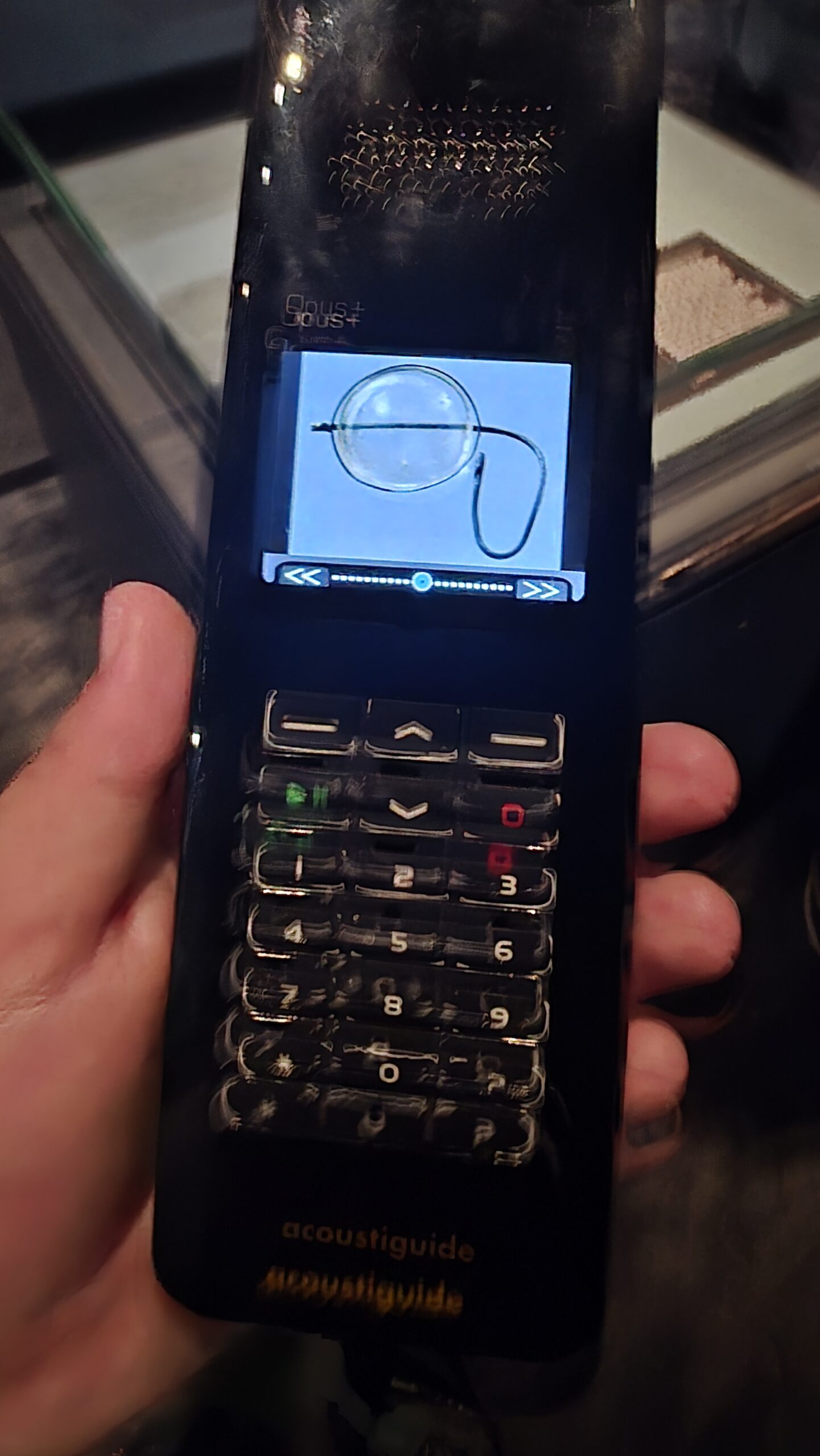
Students were given an audio guide and ear piece to wear as they stepped into the archival consciousness of Hiroshima natives who could no longer speak for themselves. Miya Coleman, a journalism junior, reflected on the visit.
“Going to the grounds was a deeply emotional experience,” Coleman said. “It felt surreal. I cried multiple times during our time there. The grounds are a must-visit for anyone coming to Hiroshima, not as a tourist attraction, but out of necessity of learning about the experience.”
The introduction to the history of the bombing of Hiroshima began at the Atomic Bomb Dome. Considered a UNESCO World Heritage Site in December 1996, the dome stands as a symbol of the destruction of Hiroshima.
Tour guide Michio Akutsu described how the bomb was dropped at around 31,000 feet with the intention of delivering maximum damage. After 43 seconds, it exploded at a height of about 2,000 feet, completely wiping out the fragile paper-and-wood houses that surrounded the area.
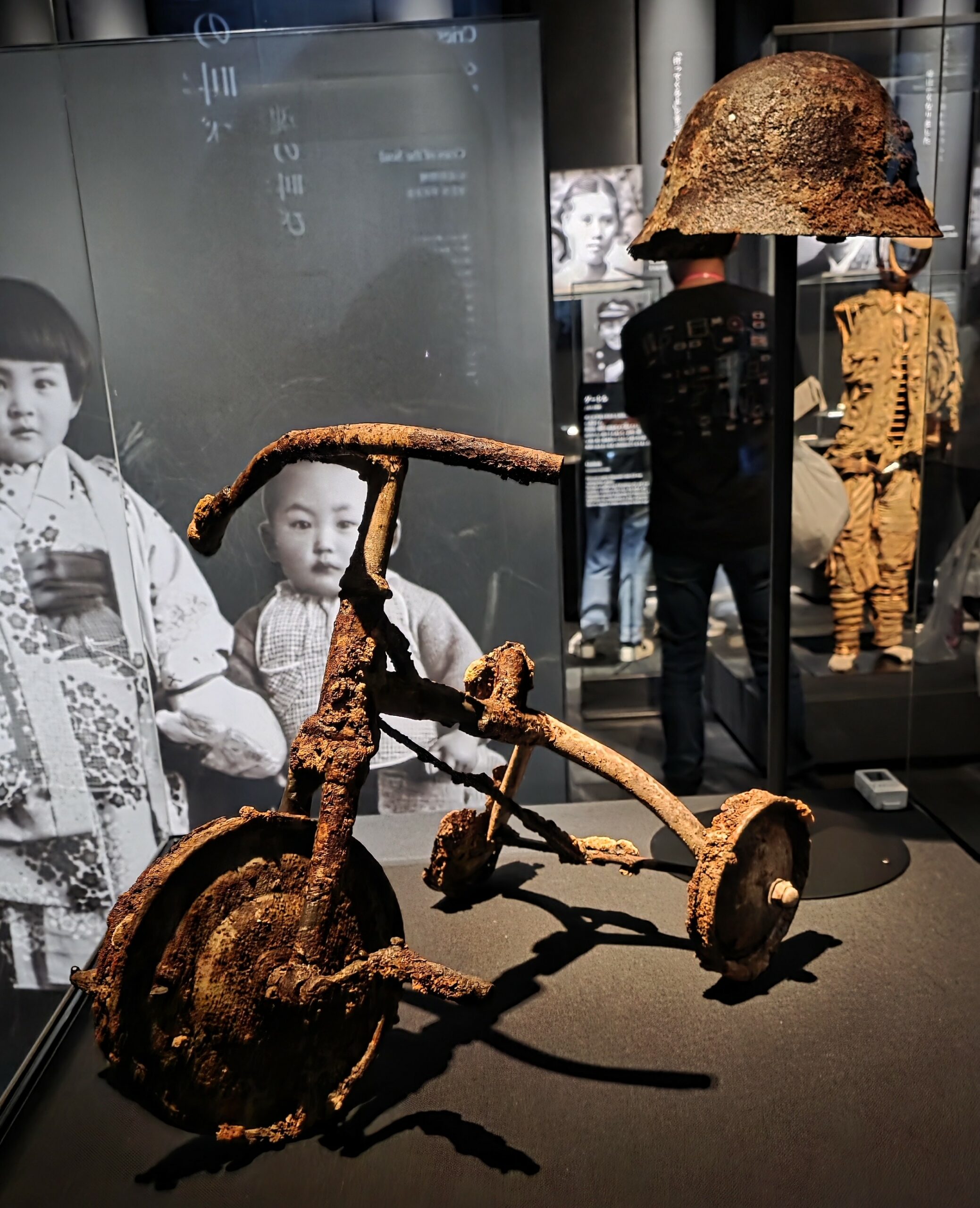
The Hiroshima Peace Memorial Museum houses artifacts, letters and descriptions of people lost on the day of the bombing on Aug. 6, 1945, and those who lost their lives later to radiation sickness and cancer.
Like Coleman, graduate student Angie Vasquez found herself severely affected by the destruction of not just the city, but the lives of the people that resided within.
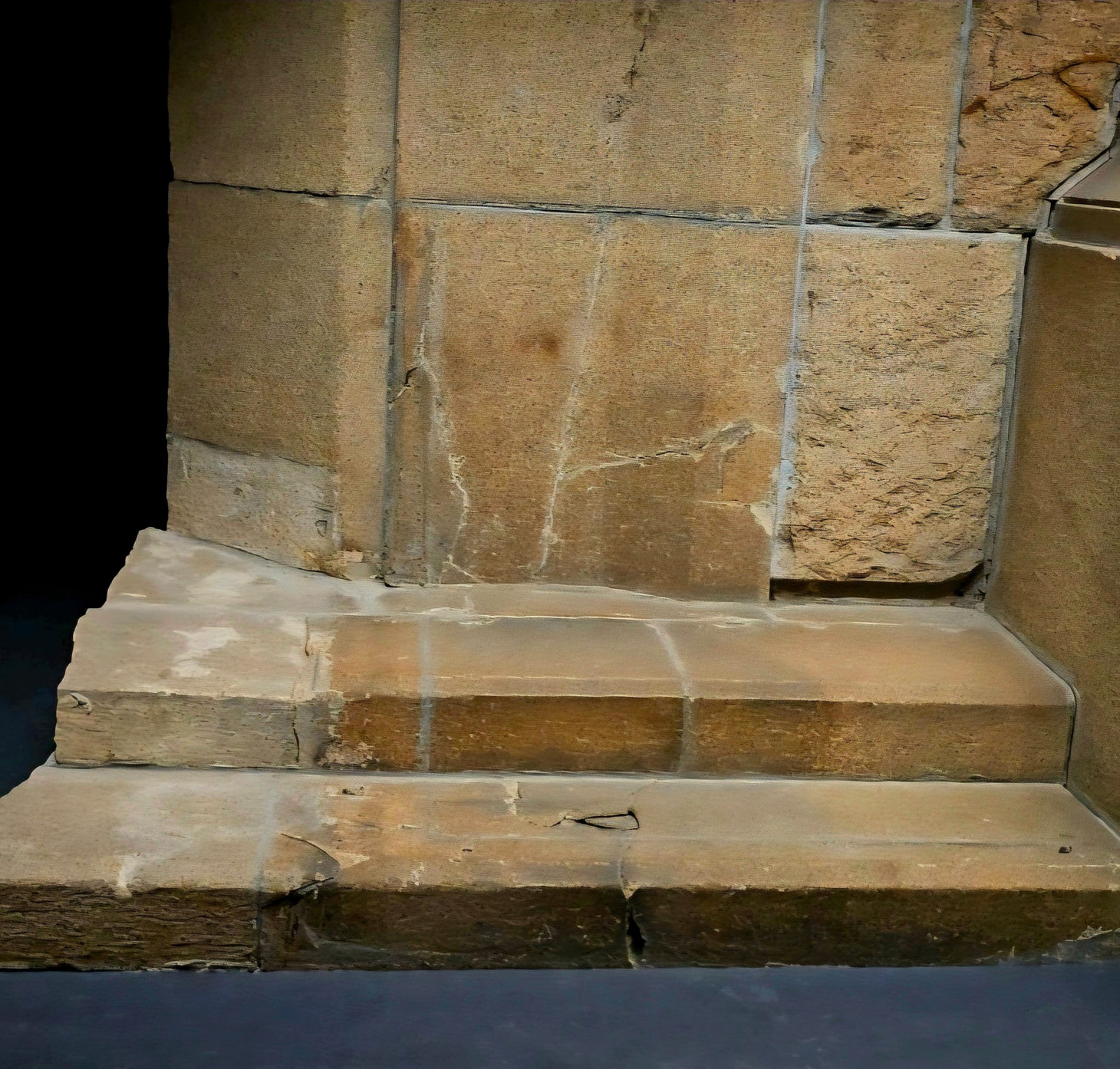
“I told myself I was going to keep it together and brought a few tissues just in case, but it became a moot point when I saw the shadow imprinted on the stone,” Vasquez said. “I don’t know why, but I just couldn’t stop crying. I struggled to keep as quiet as possible to not disturb anyone, and then turned my attention to the letters, only to read one that sounded exactly like my mom. Then I was sobbing all over again. It was a really bitter cycle.”
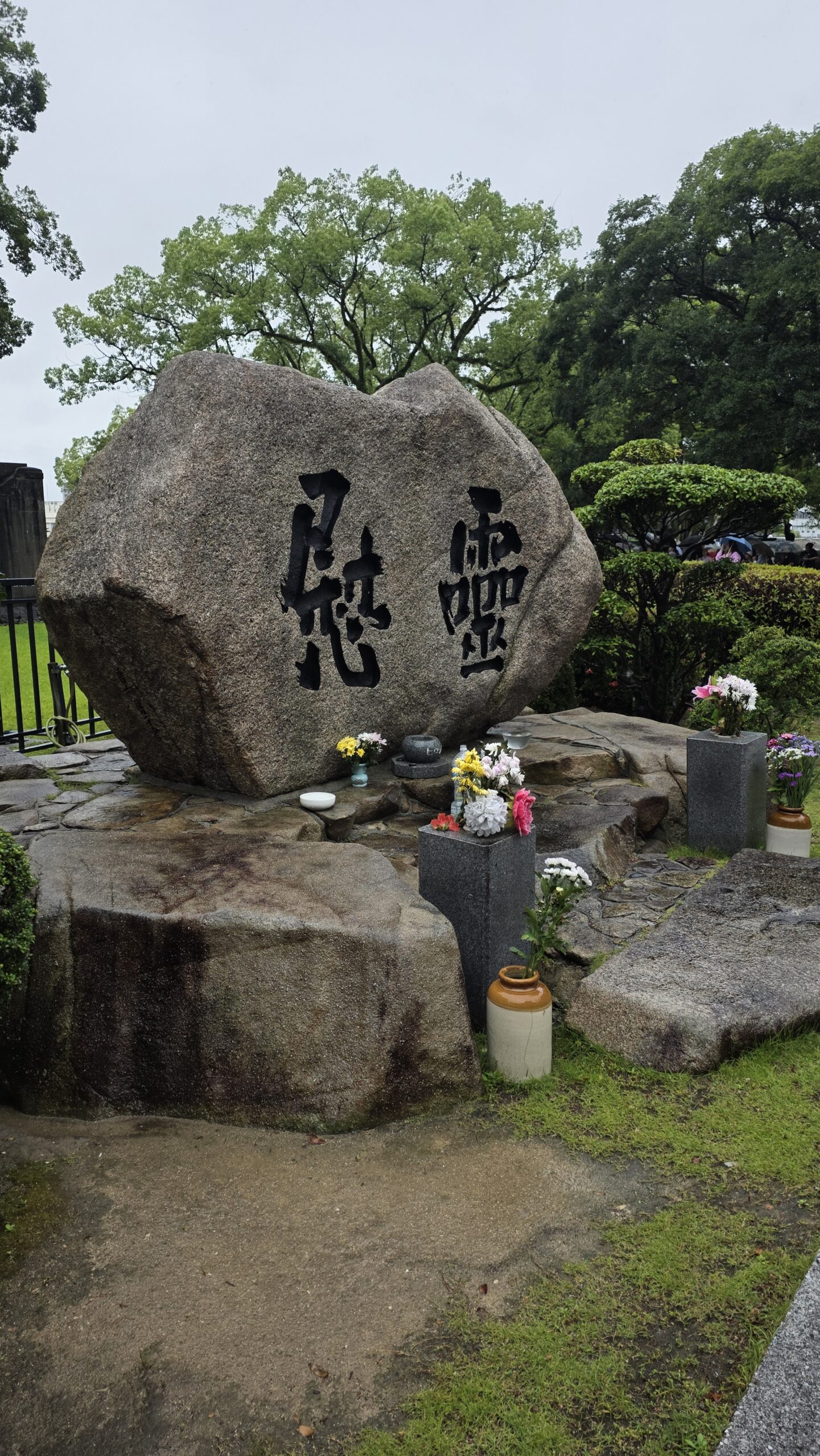
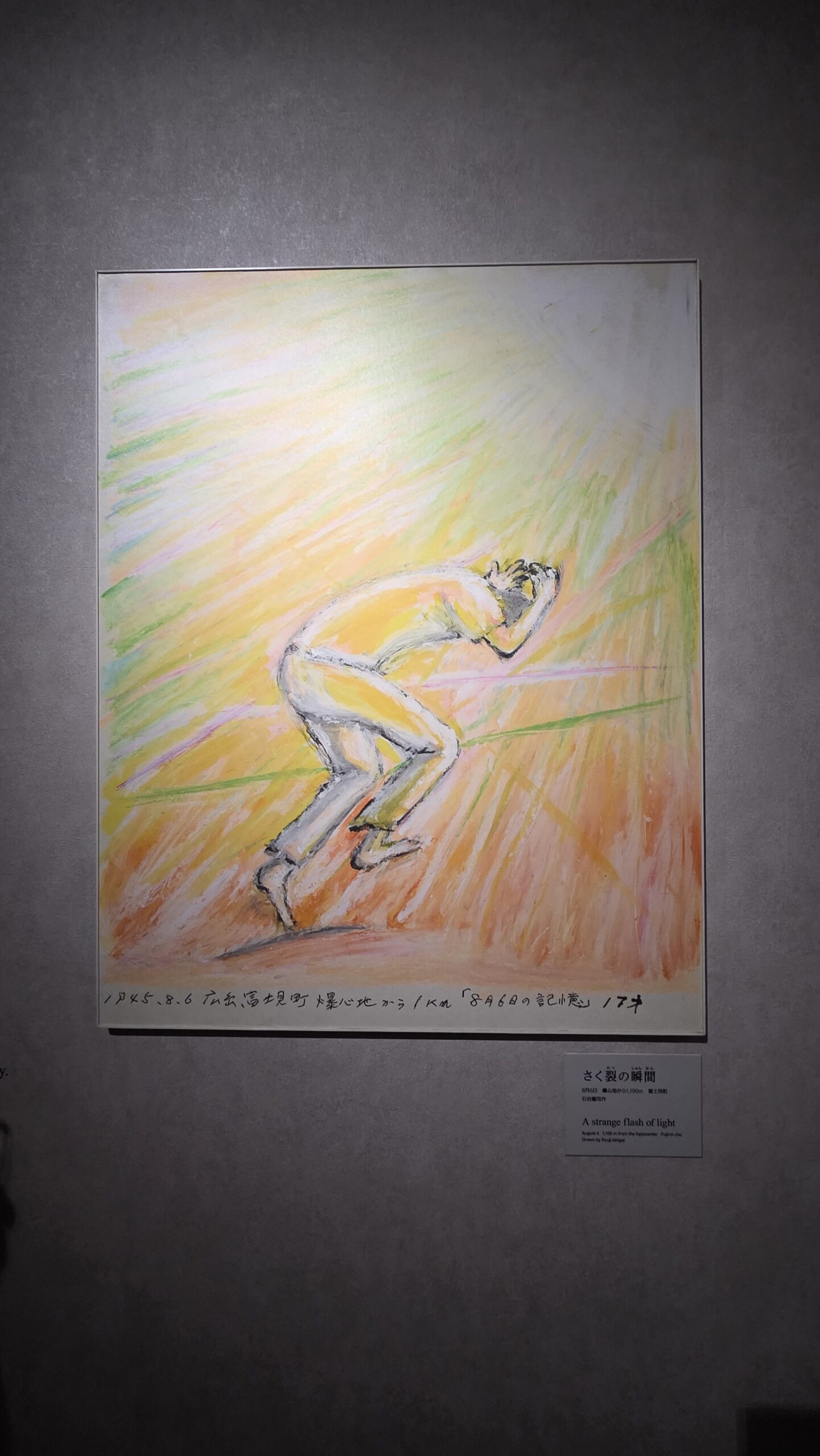
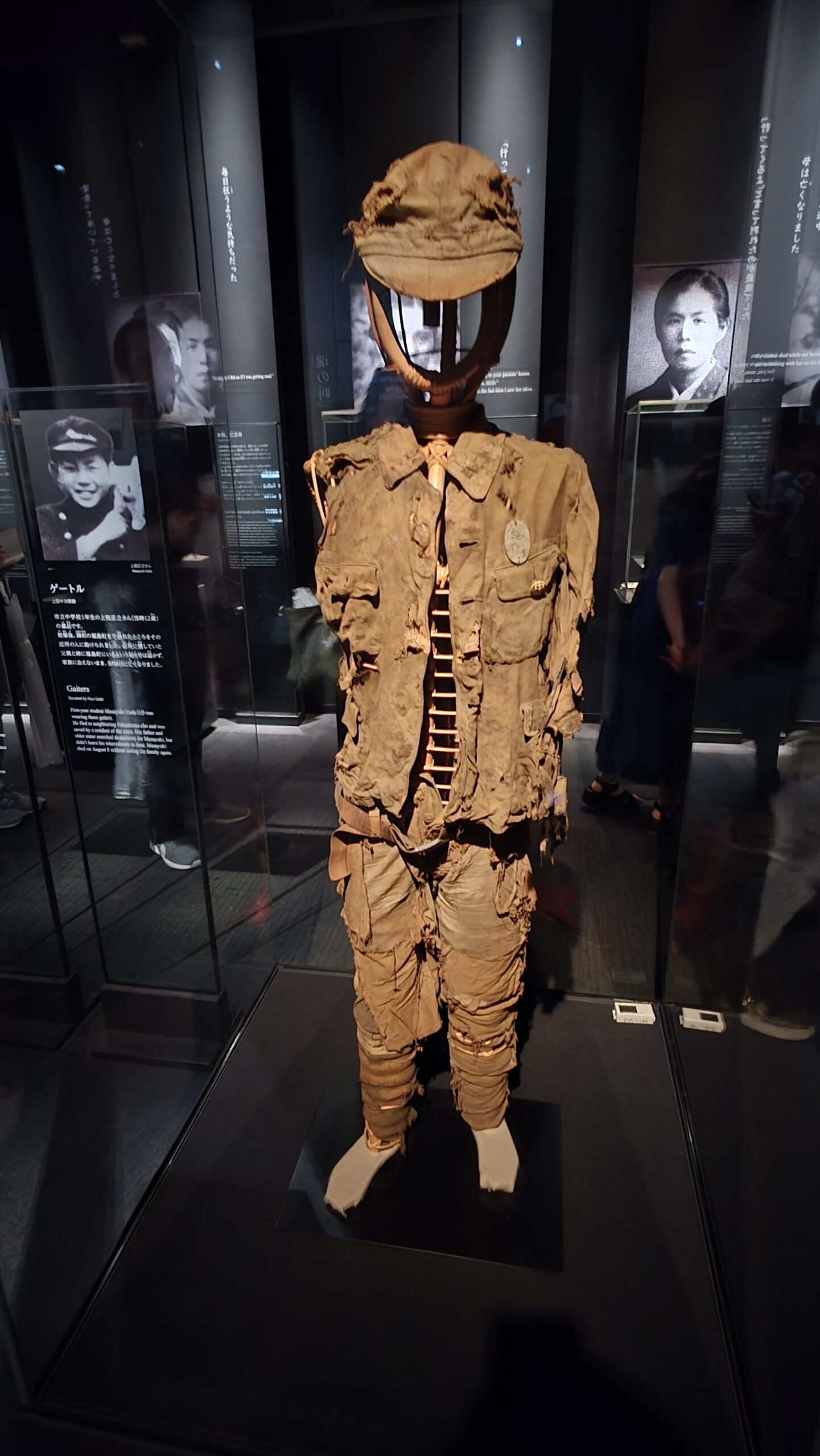
After the Hiroshima Peace Memorial Museum, students returned to the hotel to retrieve their bags and prepare for their second shinkansen ride. They were more familiar with the process this time around, as they carefully stowed their travel bags and began enjoying their lunches.
Upon arriving in Kyoto at the last hotel of the trip, groups split off to find dinner and enjoy some light shopping. Nothing could have prepared them for the trip back, however, as many got hit with a sudden strong downpour and made it back to the hotel lobby completely drenched.
After a day of learning more about the individual lives lost to the atomic bomb, students said they were going to need time to process the visit to the museum and surrounding grounds, an experience they won’t soon forget.
About The Author