Hiroshima is a beautiful place where nature meets the modern technology of the big city.
Hiroshima, known as the City of Water, features the Ōta River. Much of the city’s beauty are part of God’s many wonders, but there are man-made locations and shrines that carry their own glamour. The Genbaku Dome, also known as the Atomic Bomb Dome, would be one of those locations.


Unfortunately, not everything that mankind brings involves beauty or a sense of care for one another.
On Aug. 6, 1945, the U.S. dropped an atomic bomb on Hiroshima, and Nagasaki three days later to bring an end to World War II. This ruined the lives of many, and it is one of the most unfortunate and inhumane events in human history. Hiroshima Peace Memorial Park is located in the hypocenter of the dropping of the bomb but it has stood the test of time, leaving behind many stories to tell and people to remember.
Genbaku Dome, formerly known as Hiroshima Prefectural Industrial Promotion Hall, was in the large business district next to the Aioi Bridge and it was primarily used for art and educational exhibitions. It received its new name from survivors after the tragedy.
The building is still standing in the center of the park, and it has been kept intact, in the same condition today as the day of the bombing. It was the only building left standing within the hypocenter, and it was a point of controversy for years after the blast. Many people thought that it was just a reminder of a really horrible tragedy, but others saw it as a reminder of the causes of war. It is a very eerie sight at first, but its beauty begins to show when you realize that it is a symbol and call for world peace and a memorial for the lives that were lost on that devastating day.
In 1966, the Hiroshima City Council agreed to preserve the Genbaku Dome as a memorial. The word “genbaku” translates to atomic bomb, showing that the people never shied away from accepting that something this devastating happened in Japan.

The Dome can also be viewed as a skeleton of the place that one was. Even though there are metal beams sticking out, as well as bricks and rubble surrounding the building, it doesn’t make the place any less meaningful. Many people still see it as evidence of the destructive power of the atomic bomb, but many others see it as a chance to persevere and strive for world peace.
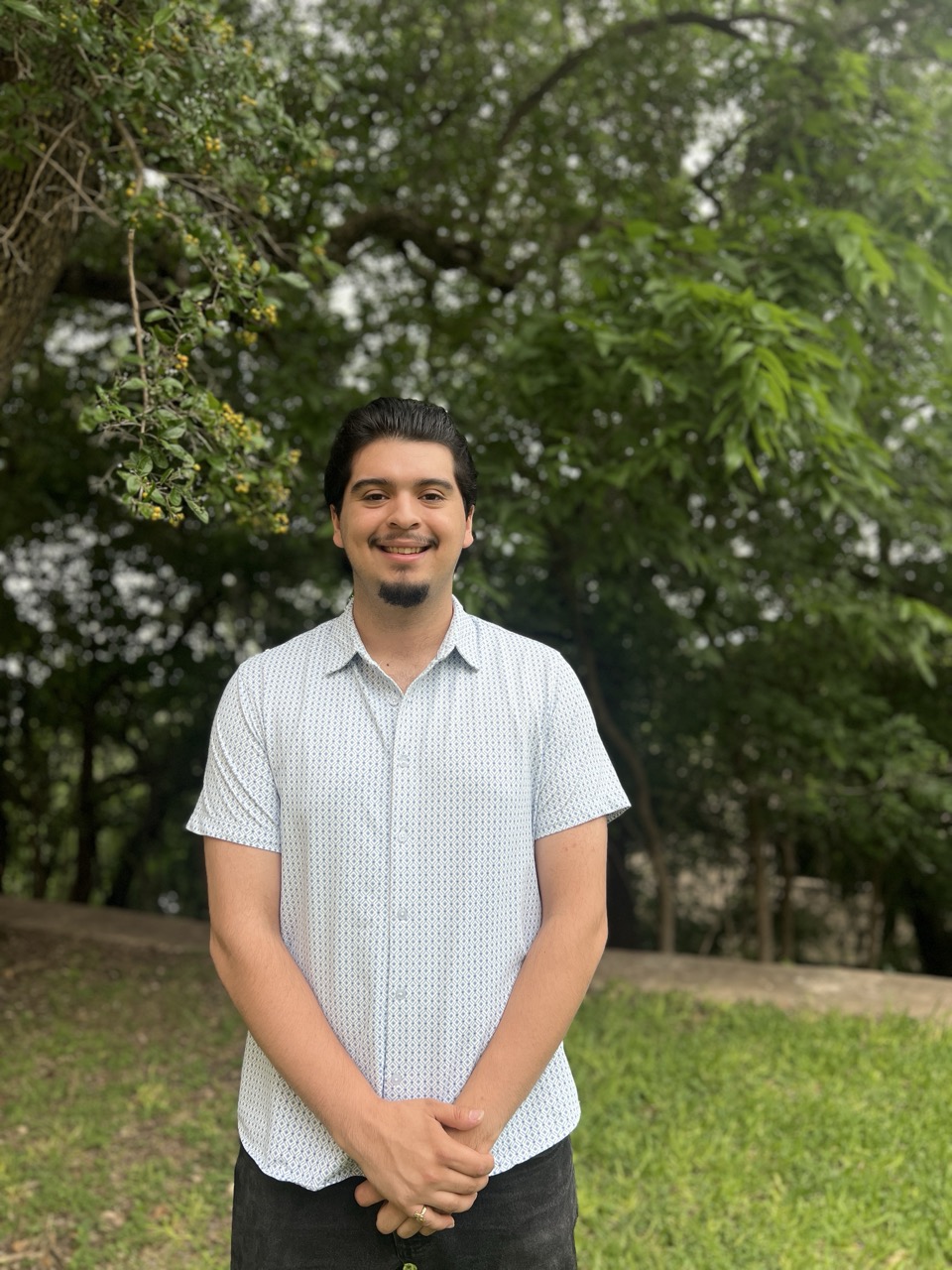
Today, the building can be seen behind a small gated fence but it is more than enough to take in and experience for yourself. SJMC Japan student Evan Luna shared his thoughts upon seeing Genbaku Dome for the first time with his own eyes.
“War is a horrible thing, but seeing the place in person is reminding me to never forget,” Luna said. “Human lives are precious, and they should never be taken like that.”
Unfortunately, as seen repeatedly in history, mankind tends to bring destruction and pain to others over time. Hiroshima Peace Memorial Park shows that mankind is also capable of coming together to create beauty and meaning over loss and great tragedy. There is always room for improvement and always a chance to persevere together as one. World peace is, for sure, a possibility, and all people should work together to achieve it.
About The Author