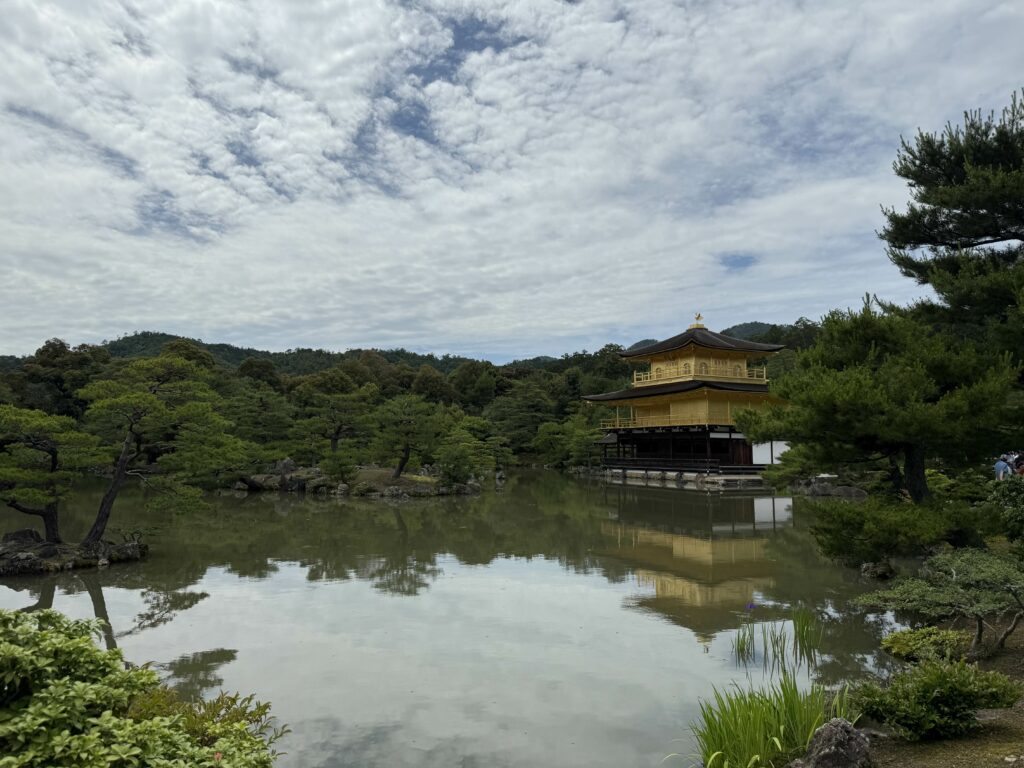
Located in Kyoto’s northern district, the shining golden temple of Kinkaku-ji is one of the most iconic Zen Buddhist temples in all of Japan.
Its nickname translates to “The Temple of the Golden Pavillion” in reference to its stunning, gold-covered main hall that reflects majestically in the surrounding pond. Whether you love history, spirituality, architecture or natural beauty, Kinkaku-ji provides an immersive and contemplative experience for all visitors.
The area of Kinkaku-ji was originally a villa called Kitayama-dai belonging to nobleman Saionji Kintsune. However, the villa was purchased from the Saionji family in 1397 by Shōgun Ashikaga Yoshimitsu and later became the Kinkaku-ji complex. By the time Yoshimitsu died, the building was converted into a Zen Buddhist temple by his son, according to his wishes. The villa was also renamed to Rokuon-ji after Yoshimitsu’s posthumous name.
The Golden Pavillion was constructed around 1399, and the gold was added to try and mitigate and purify any negative thoughts or feelings towards death. Other than the symbolism behind the gold, the pavilion reflects the extravagant culture of the Muromachi period, during which art and design heavily relied on visual excesses. It also combines three different styles of architecture, combining shinden, samurai and zen elements on each floor of the temple.
Tragically, the Golden Pavilion has faced several disasters throughout history. During the Ōnin War from 1467 to 1477, all of the buildings in the complex besides the pavilion were burned down. On July 2, 1950, a monk named Hayashi Yoken set fire to the building. He then attempted suicide, but survived and was taken to custody for the arson incident, later being released because of mental illnesses.
The structure we see today was reconstructed in 1955, mostly staying true to the original design but using more durable materials. Despite being a reconstruction, it retained its historical and religious significance and became a UNESCO World Heritage Site as part of the Historic Monuments of Ancient Kyoto.
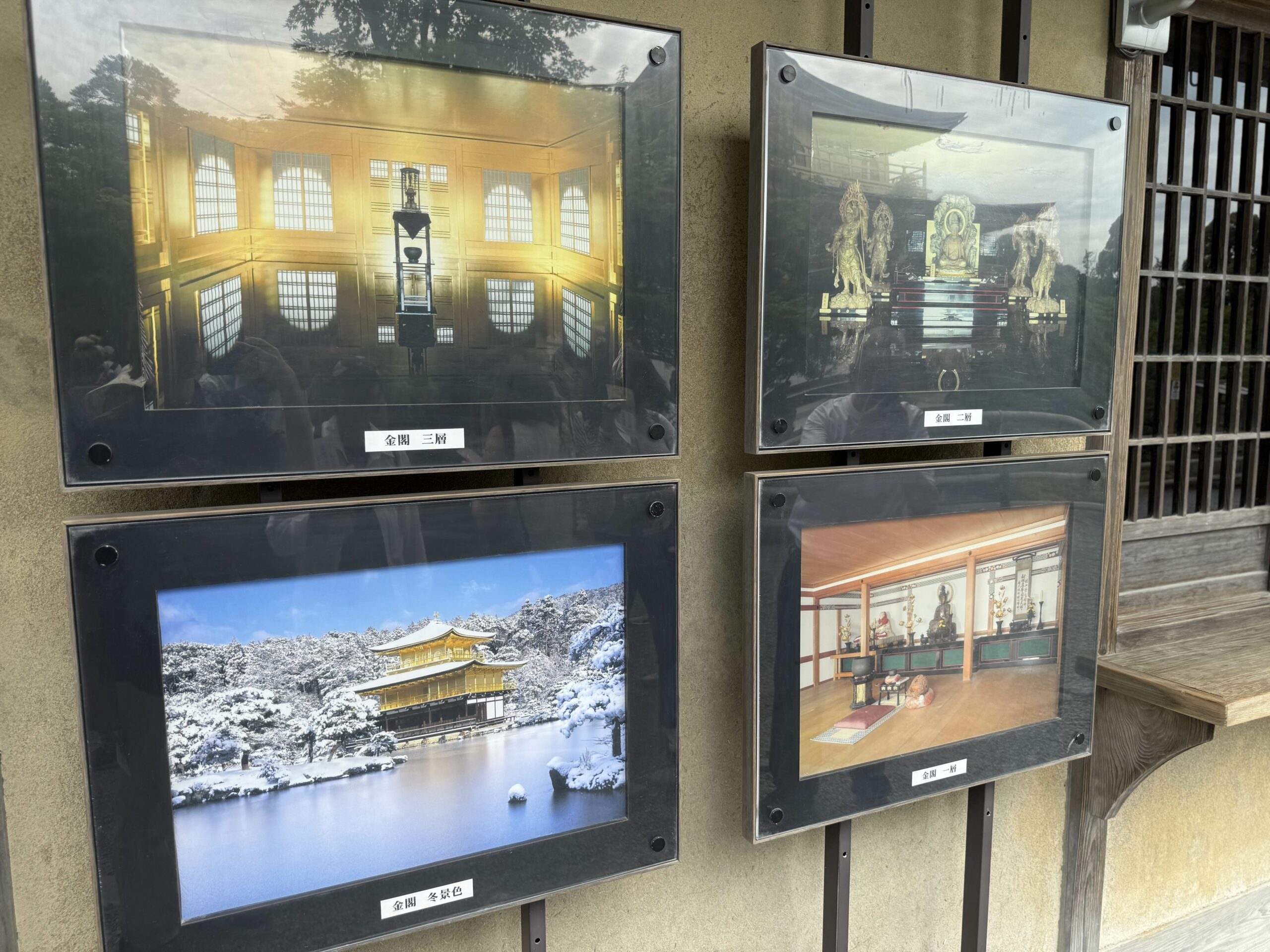
Visiting Kinkaku-ji offers a visually stunning and serene experience that captures the beauty of Japan’s traditional architecture. Although visitors cannot enter the Golden Pavillion itself, a walking path guides people through the surrounding gardens, providing multiple vantage points to admire the structure and its surrounding area. The temple is surrounded by Kyoko-chi Pond, also known as Mirror Pond, as it reflects the Golden Pavilion when viewed from a distance. Kinkaku-ji’s surrounding area is also known to change dramatically with the seasons, offering different types of beauty. From cherry blossoms in spring to vibrant maple leaves in autumn or a snow-covered temple in winter, each visit can offer a different visual experience.
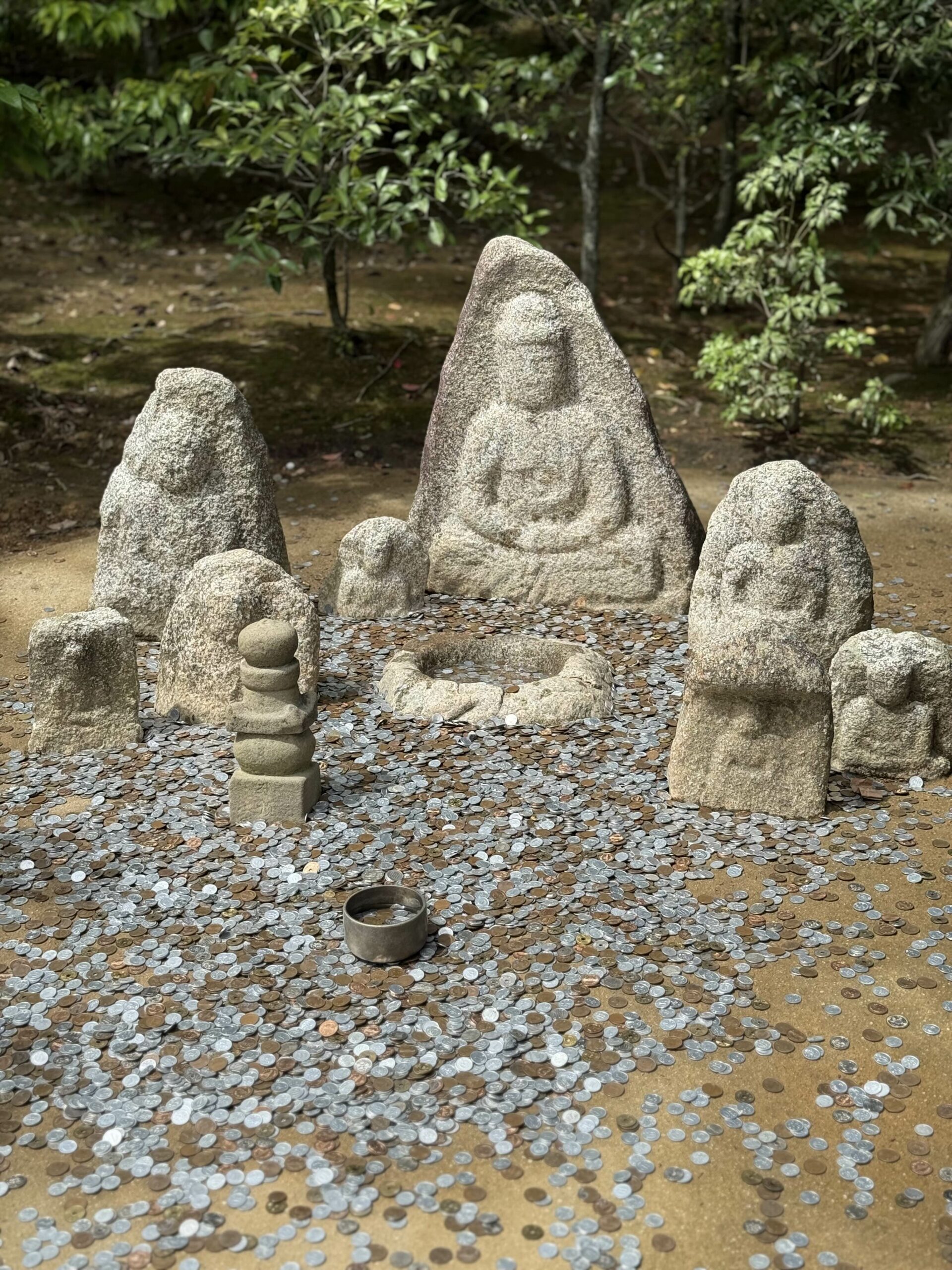
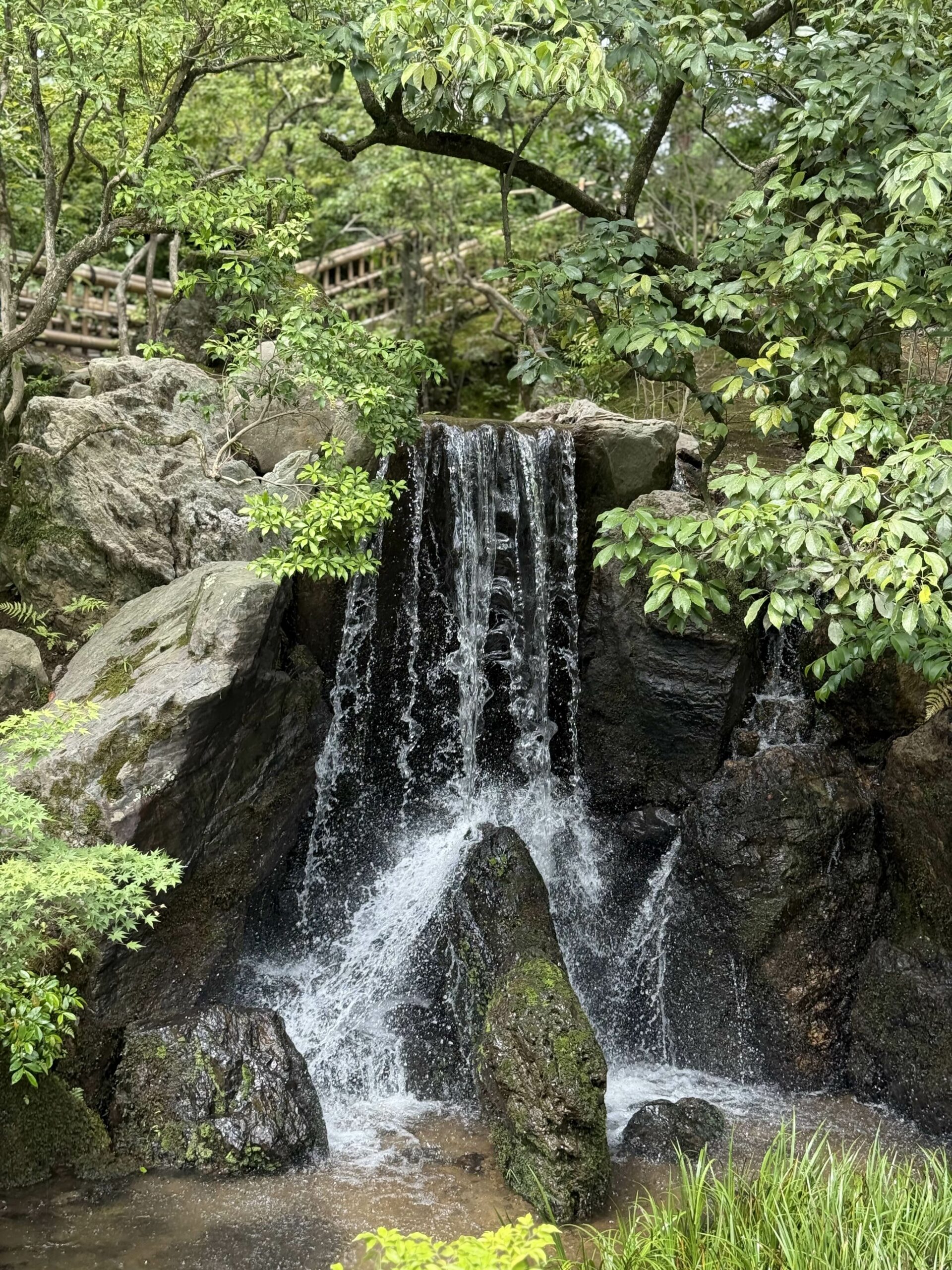
Photography is also a pretty common activity on the temple grounds, but be mindful of other visitors as well as potential signs that do not allow you to take pictures of specific areas. You can also walk on a path around the temple where you’ll pass mossy groves, stone structures and small ponds that enhance the sense of tranquility.
In addition to strolling around the area, there are plenty of activities to do around Kinkaku-ji that do not just involve sightseeing. At the temple’s shop, you can purchase omamori, which are small good luck charms that make meaningful souvenirs and are often tied to prayers for health, success, or love.
You can also attend a traditional Japanese tea ceremony and enjoy a bowl of matcha green tea paired with a delicate wagashi, a traditional Japanese sweet. Speaking of sweets, there are plenty of desserts served at food vendors around the path. You can get confectioneries popular in all of Kyoto, such as yatsuhashi, which are square-shaped desserts that can either be served soft and squishy or hard and crunchy. There’s an ice cream stand where you can get flavors such as honey and ginger as well as matcha-flavored ice cream.
Kinkaku-ji is not just a beautiful landmark but a place where history, culture and natural beauty blend uniquely. Whether you are there to take in the shining reflection of the Golden Pavilion, experience the peaceful atmosphere, or even revisit it during different seasons, visiting Kinkaku-ji is a memorable experience. With so much to see, do and appreciate, there’s a reason why this temple continues to be one of Kyoto’s most iconic and beloved destinations.
About The Author