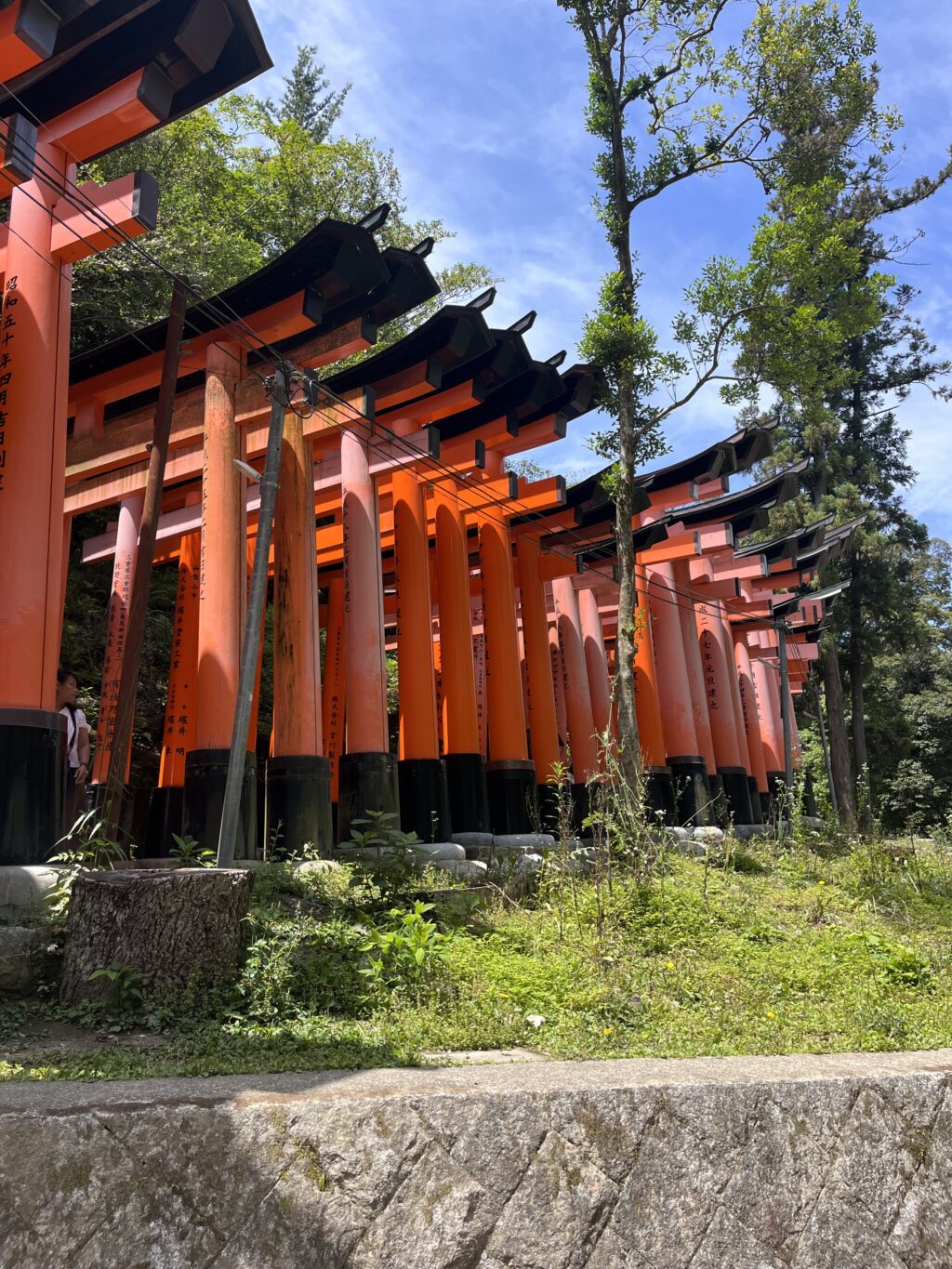
Fushimi Inari Taisha is one of Kyoto’s most recognized and historically significant Shinto shrines.
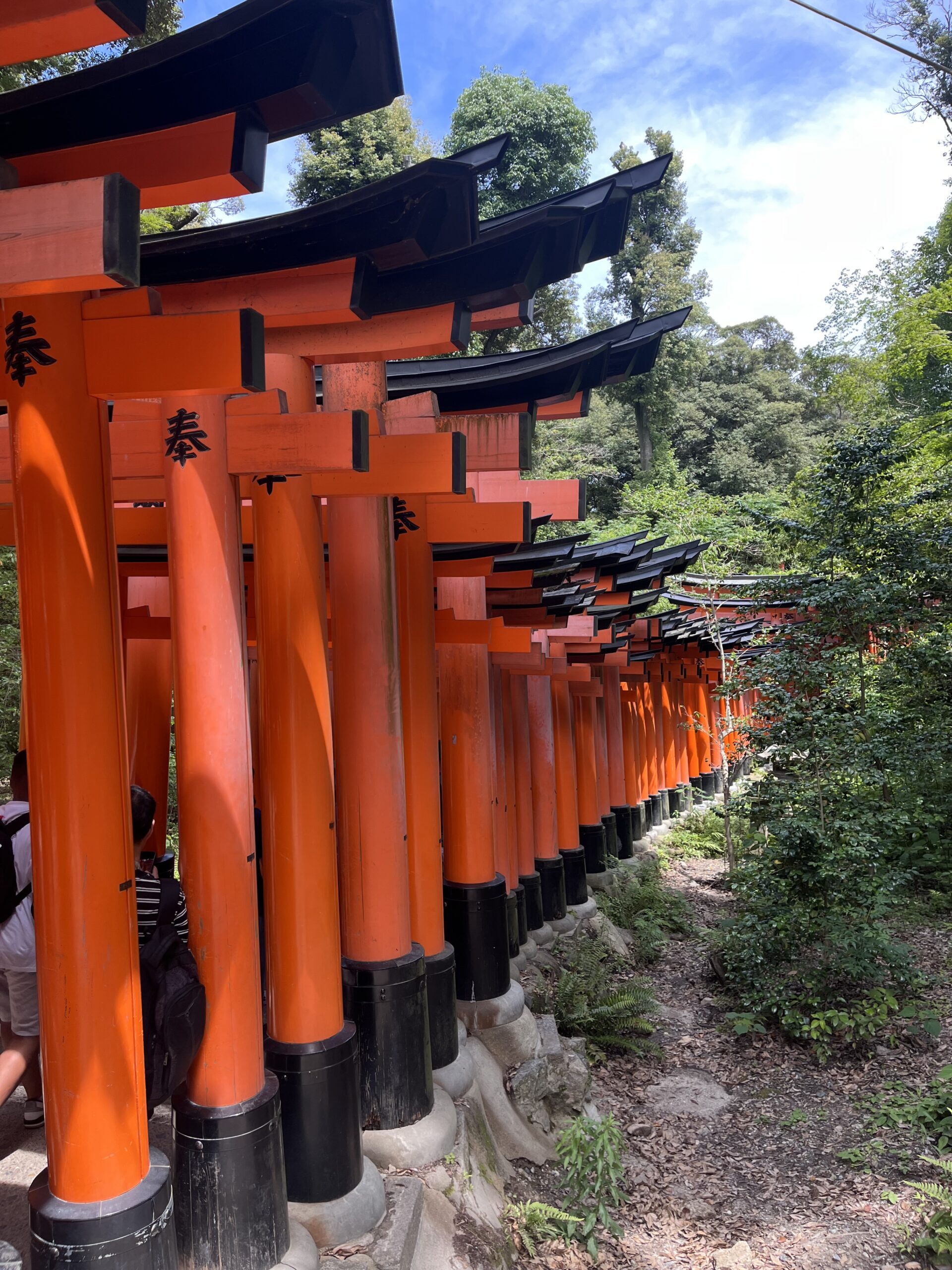
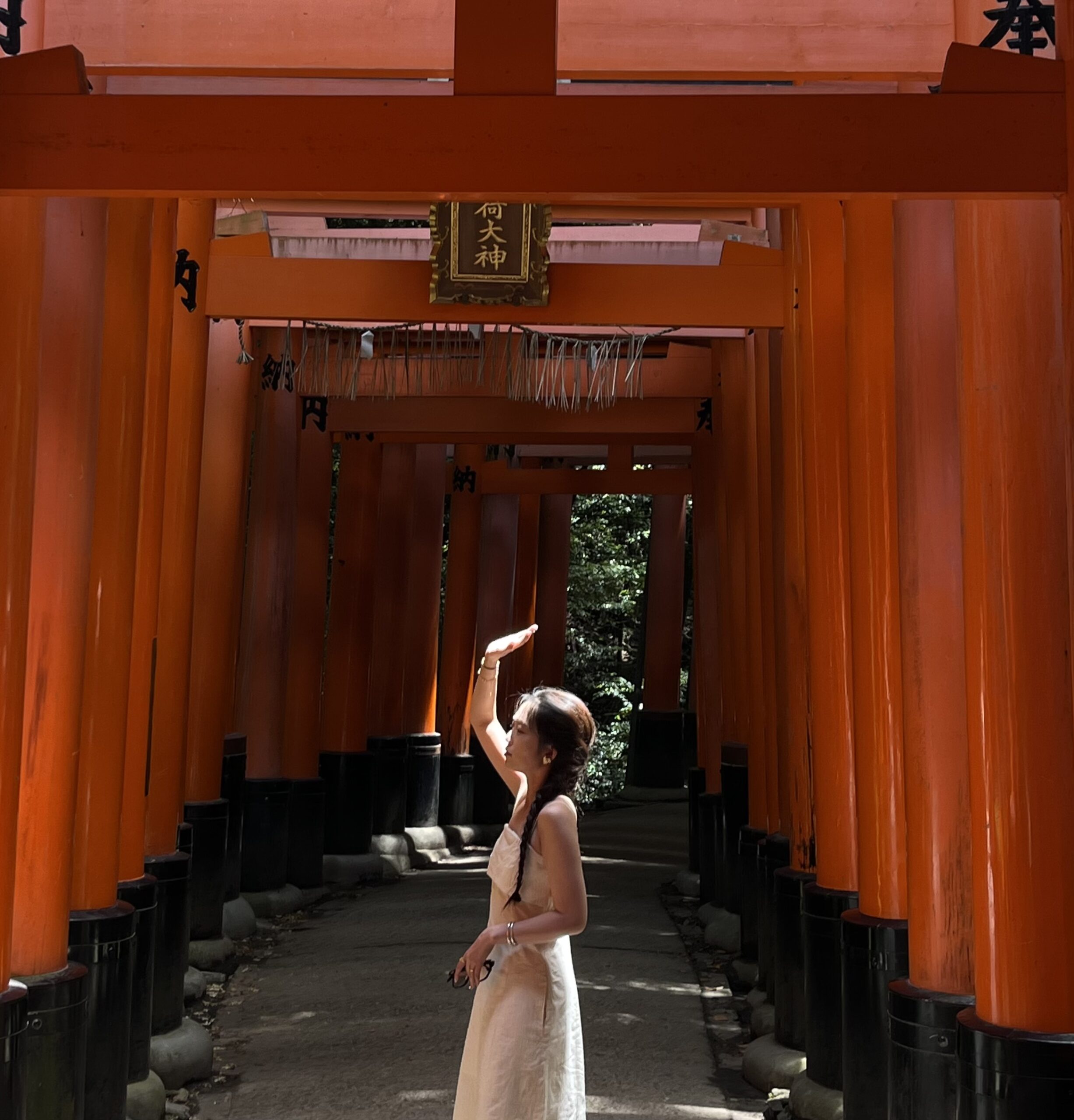
Located in the southern part of the city, the shrine is best known for its winding path lined with thousands of bright torii gates that lead visitors up Mount Inari. These gates, donated over the years by individuals and businesses, have become one of Japan’s most photographed and visited landmarks.
Fushimi Inari Taisha is the head shrine of over 30,000 Inari shrines scattered across Japan.The shrine was built in 711 AD, making it one of the oldest in Kyoto. It is dedicated to Inari, the Shinto god of rice, agriculture and business prosperity. Over time, Inari also became associated with general success and good fortune, which has contributed to the large number of donors.
The highlight for most visitors is the Senbon Torii, or “thousands of torii gates,” which begins just behind the main hall. The gates line a network of trails that stretch roughly four kilometers up to the summit of Mount Inari, which stands at 233 meters. Each gate along the path has been donated by a person or organization whose name and date of donation are written on the back of the gates. Most donations are made in hope of receiving blessings for business success or in thanks for past good fortune.
Just outside the shrine entrance, a small shopping street offers local food, souvenirs and religious charms. Popular items include inari sushi (rice wrapped in sweet tofu), which is named after the deity and said to be the fox’s favorite food. Visitors can also purchase wooden ema plaques to write their wishes on, which are then hung at the shrine.
The hike to the top of Mount Inari typically takes about two to three hours round-trip, though many visitors choose to turn around at one of the main viewpoints about halfway up. Along the trail, visitors may encounter smaller shrines, prayer spots and quiet rest areas surrounded by dense forest. Some of the shrines date back centuries and include rows of miniature torii and stacks of stone offerings.
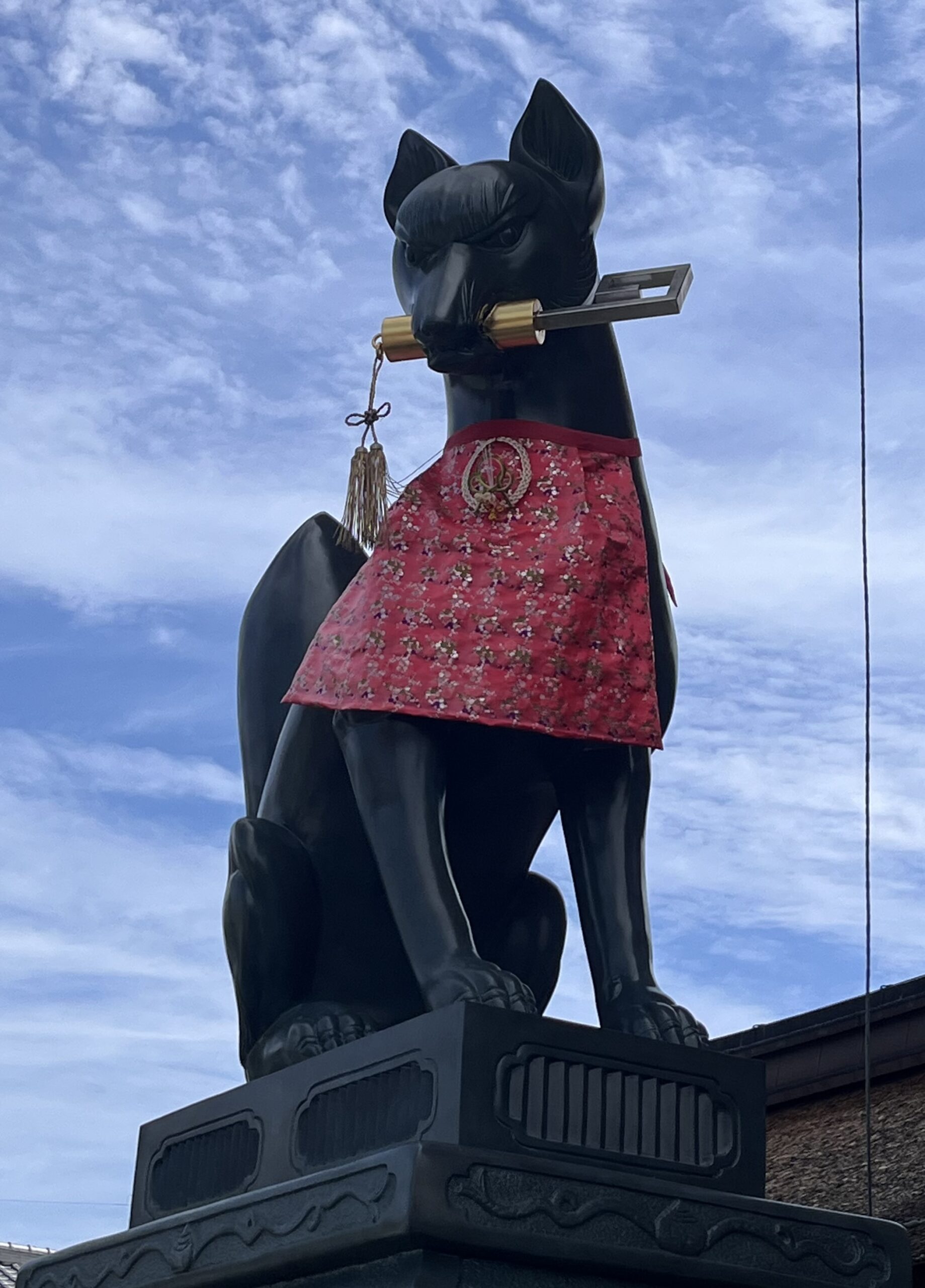
A prominent feature throughout the shrine grounds is the fox (kitsune in Japanese), which is considered the messenger of Inari. Stone fox statues can be seen at nearly every sub-shrine. They are often holding a key in their mouths, symbolizing access to the rice granary. Offerings of rice, sake and sometimes small fox figurines are placed at various altars as acts of devotion.
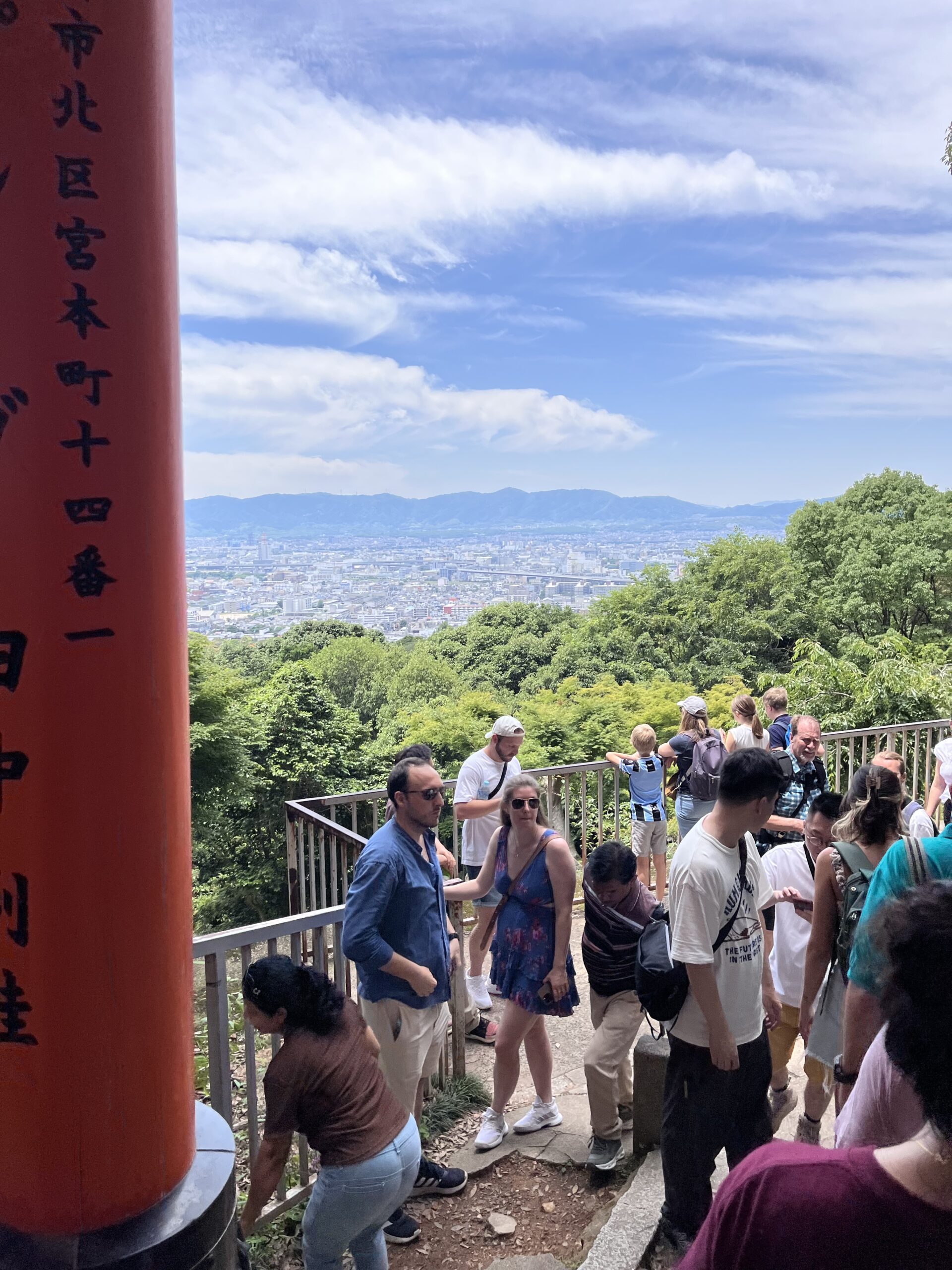
The shrine complex is open 24 hours a day and does not charge an entrance fee, making it accessible to both tourists and locals at all hours. Early mornings or evenings are generally less crowded, and many people choose to visit during these times for a more peaceful experience. At night, lanterns along the path are lit, offering a different and atmospheric view of the gates.
Today, Fushimi Inari remains not only a religious center but also a cultural symbol of Kyoto. Its torii-lined trails offer both spiritual meaning and historical insight into the practices of the Shinto religion in Japan. Whether visited for religious reasons, historical interest, or simply to experience one of Japan’s most iconic landmarks, Fushimi Inari continues to be a vital part of Kyoto’s heritage and identity.
About The Author