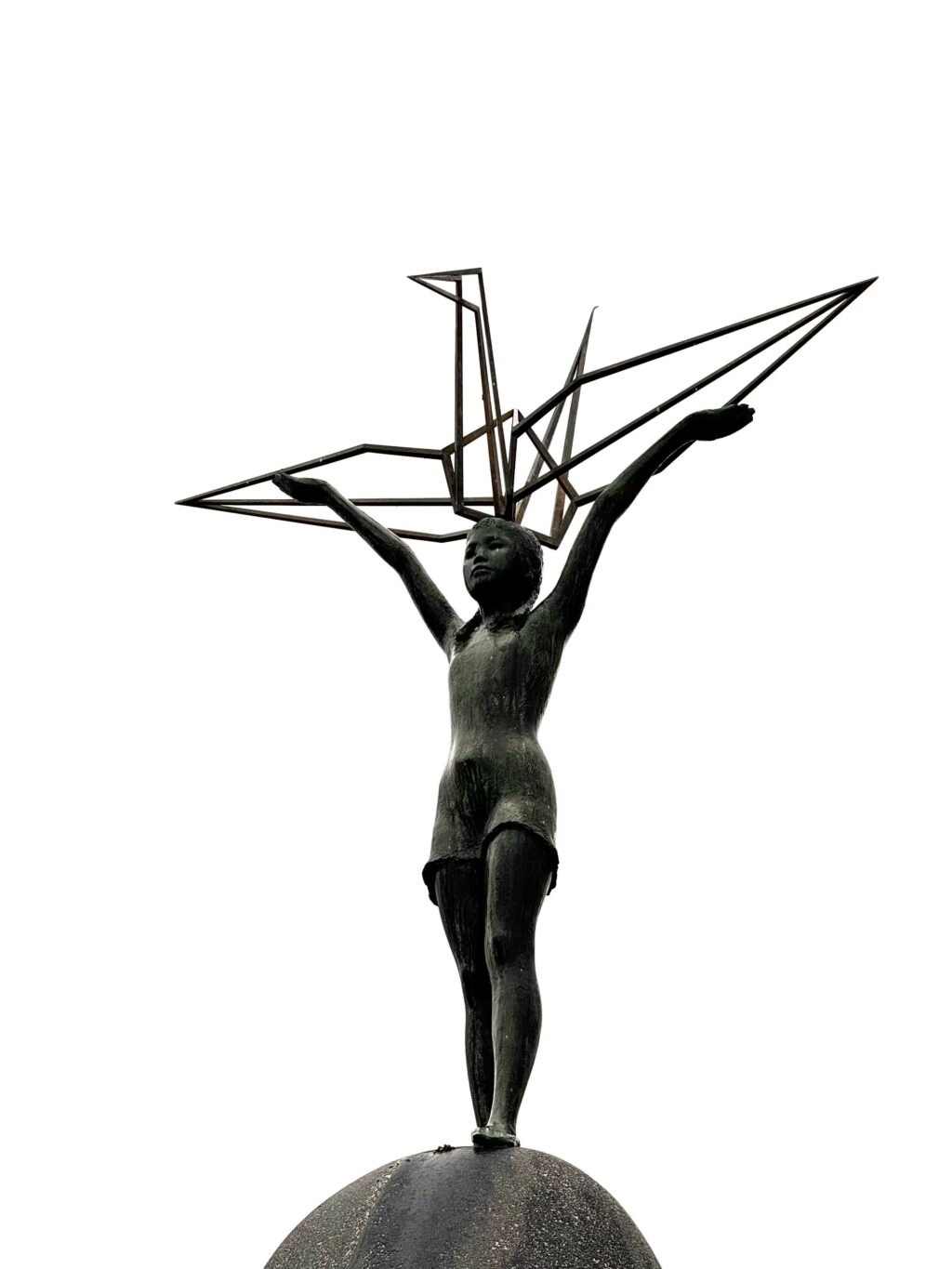
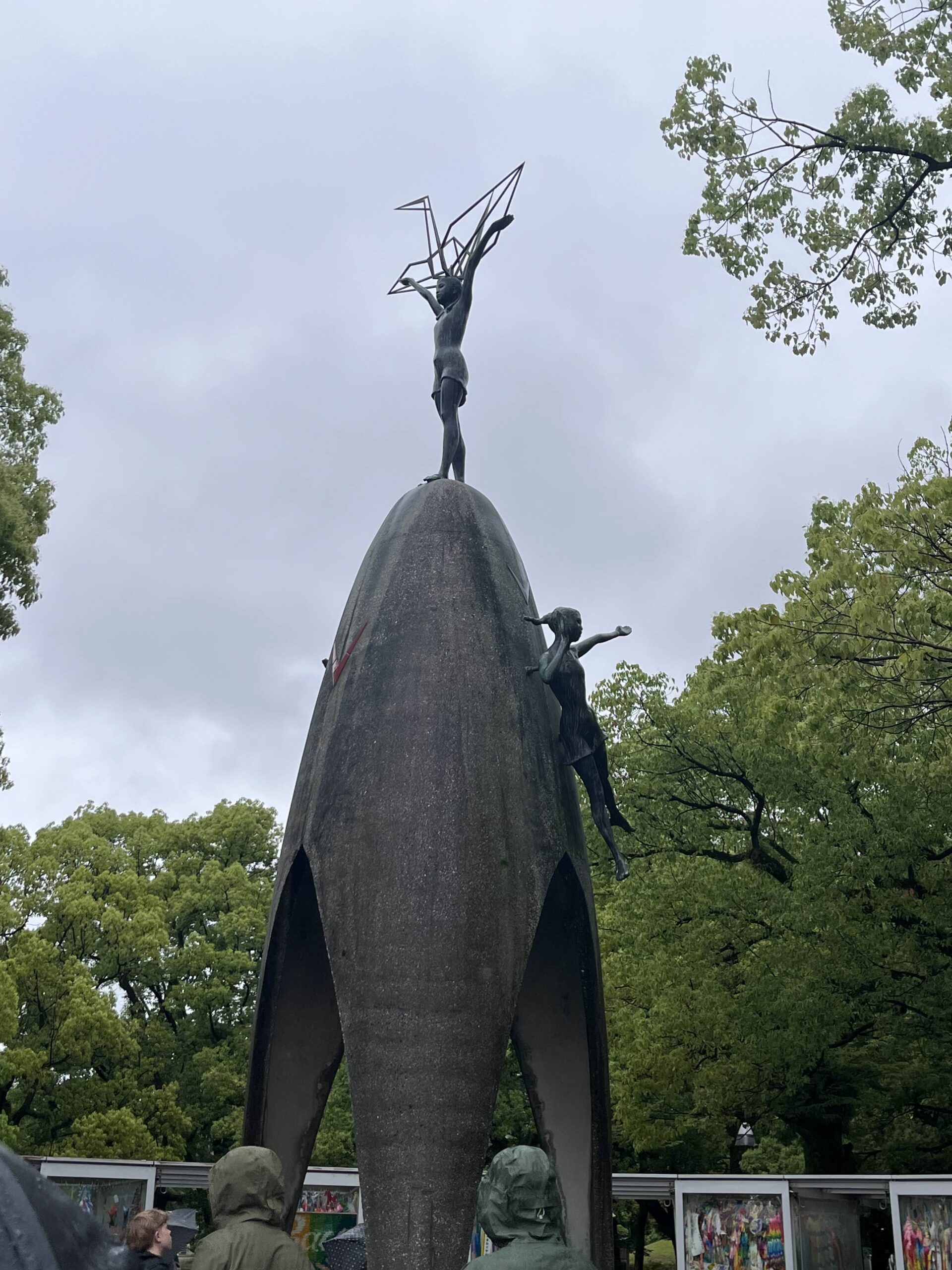
In Hiroshima Peace Memorial Park, a beckoning monument rises among the trees. A young girl stretches her arms up, holding a golden paper crane to the sky. Known as the Children’s Peace Monument, this powerful symbol was built in honor of the thousands of children who died as a result of the atomic bombing of Hiroshima during World War II. It also serves as a place of reflection, where visitors can learn about the impact of the bombing and the hope that grew from it.
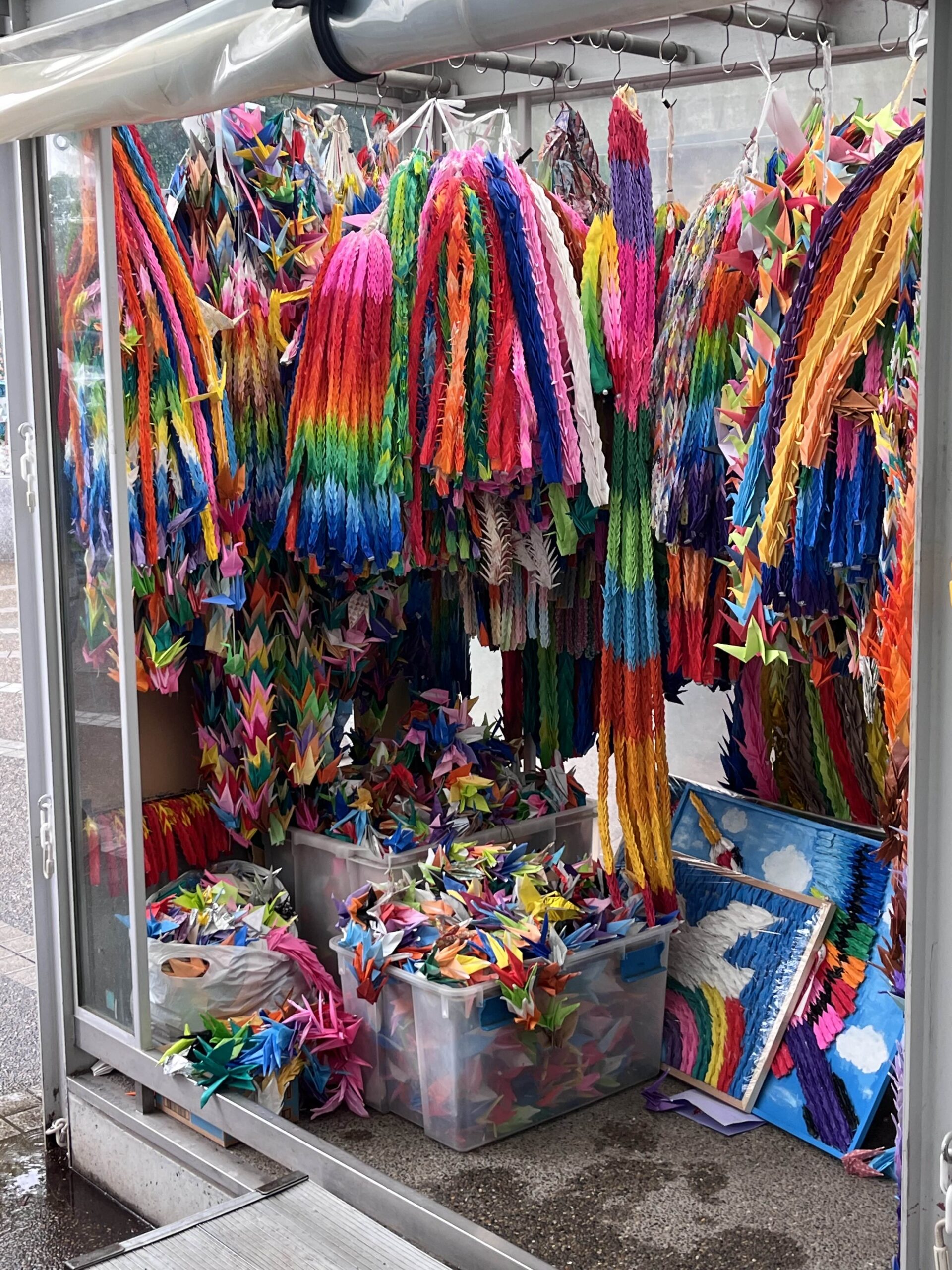
Each year, children from around the world send thousands of paper cranes to Hiroshima. These colorful symbols of hope are displayed in glass cases near the monument. Some arrive with handwritten notes and messages for peace, showing that Sadako Sasaki’s story continues to inspire people across generations and cultures. Her story shows that even in the face of great tragedy, a simple act of hope can touch the world.
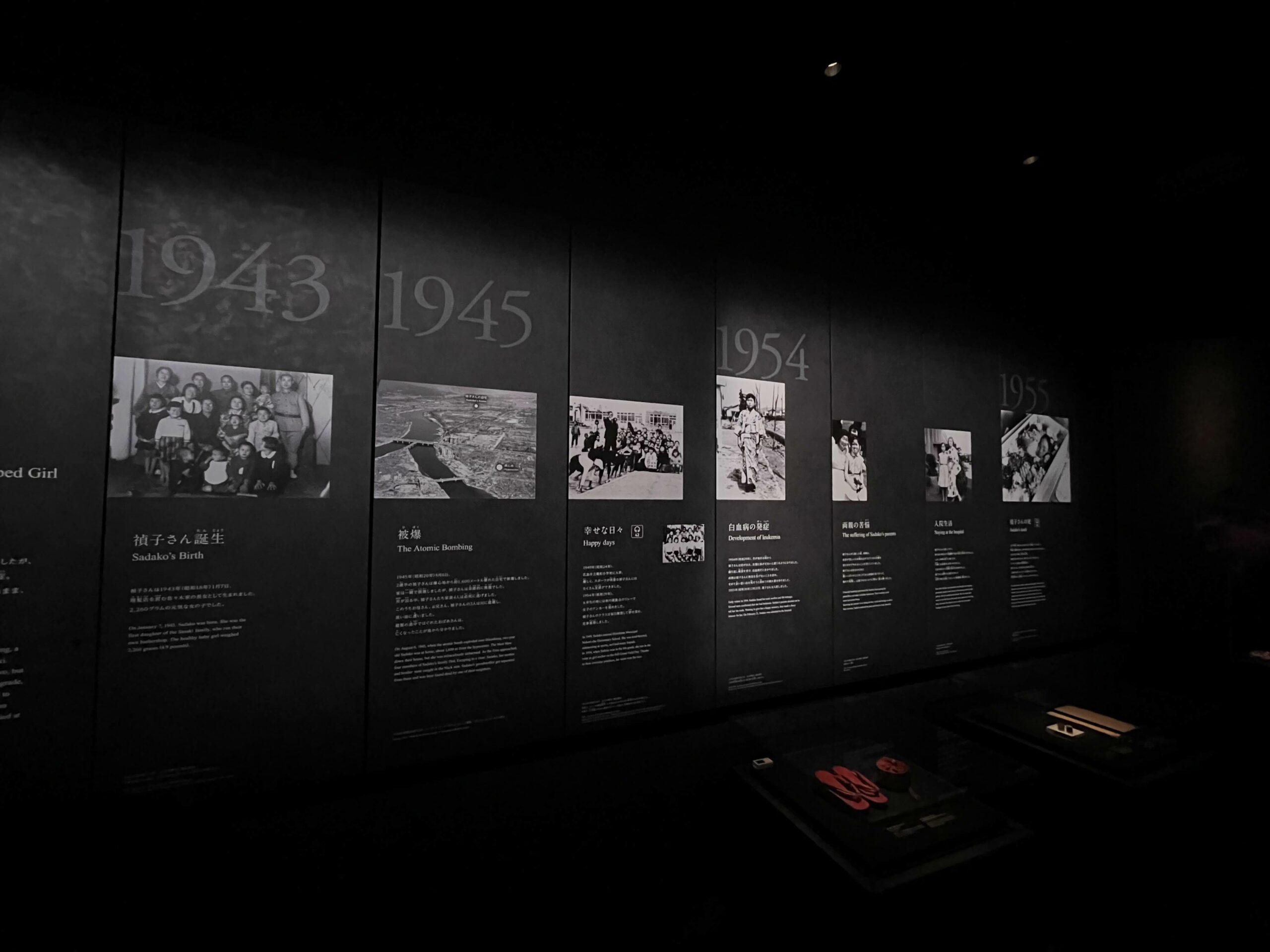
At the heart of its story is Sadako Sasaki, a young girl whose life, courage and paper cranes inspired a global call for peace and perseverance. Sasaki was just two years old when the atomic bomb exploded over Hiroshima. Her family’s home, located about 1,600 meters from the center of the blast, was destroyed. Incredibly, Sasaki survived along with her mother and brother, but they were exposed to the dangerous black rain that followed. This radioactive rain would later be linked to serious health problems.
Despite the devastation, Sasaki grew up healthy and full of life. She was known for her kindness, athletic ability and cheerful spirit. She attended Nobori-cho Elementary School where she made many friends and participated in school activities. She especially loved running and even competed in relay races. That same year, however, her life changed, as she began feeling tired and noticed swelling in her neck. After medical tests, she was diagnosed with leukemia, a disease often linked to radiation exposure from the bomb.
Her parents, facing financial hardship, chose not to tell her the full truth about her condition. They wanted her to enjoy life without fear. Though her health declined, she remained cheerful and kind, making friends with nurses and other patients. Sasaki stayed strong for her family and did her best to remain hopeful.
While in the hospital, Sasaki began folding paper cranes. According to Japanese culture, folding 1,000 paper cranes grants a wish. Sasaki wished for recovery and peace. Her determination never faded and she kept folding until her fingers grew too weak. Even as her cranes became smaller, her hope remained large.
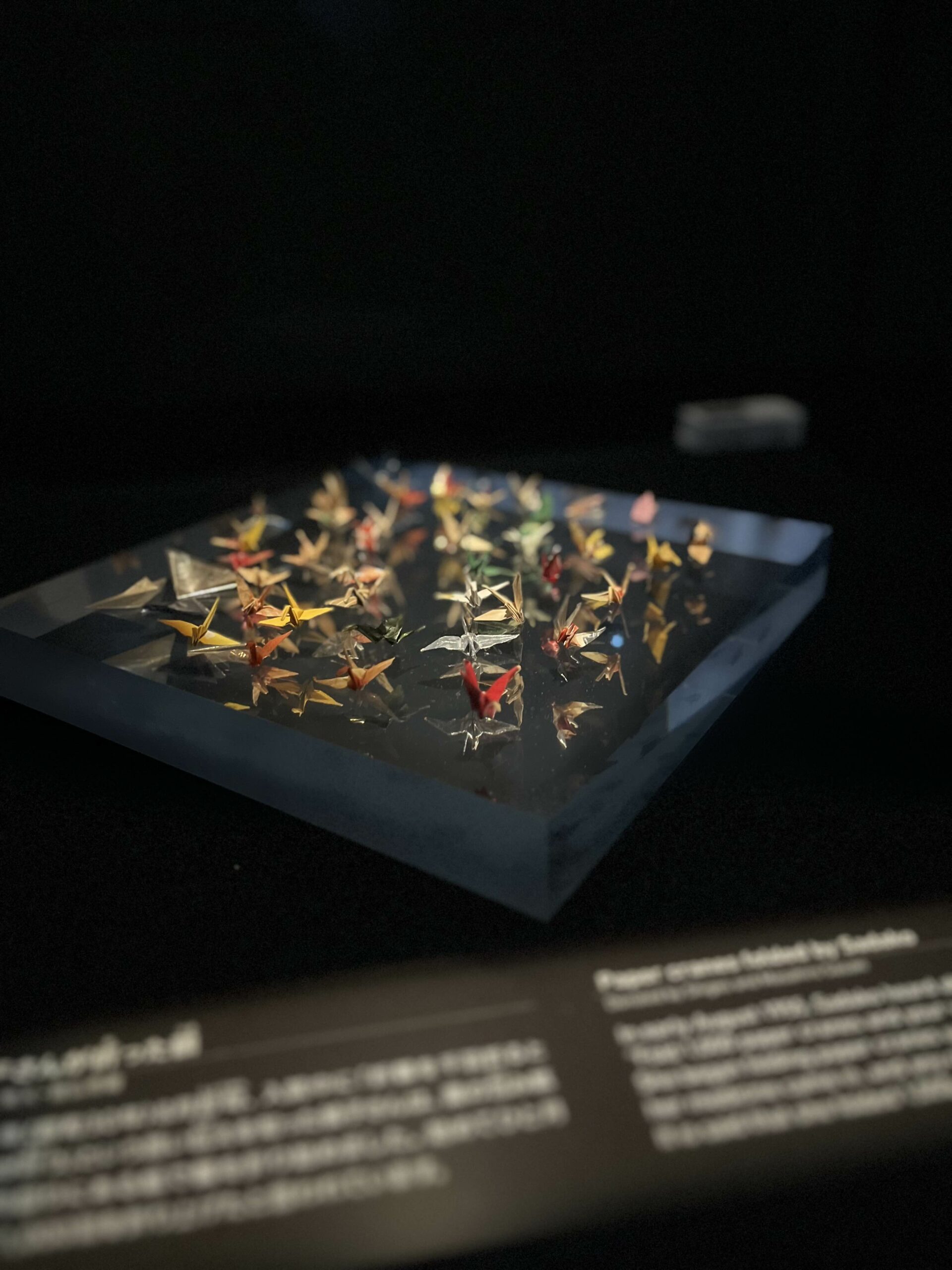
Sasaki passed away on Oct. 25, 1955, after her battle with the disease for eight months. She was only 12 years old, and her death deeply affected her classmates. Wanting to honor her memory and the lives of other children who had suffered from the bombing, her friends and classmates decided to create the monument. It stands today as a lasting symbol of peace, built by the love and efforts of those who believed in her dream.
About The Author