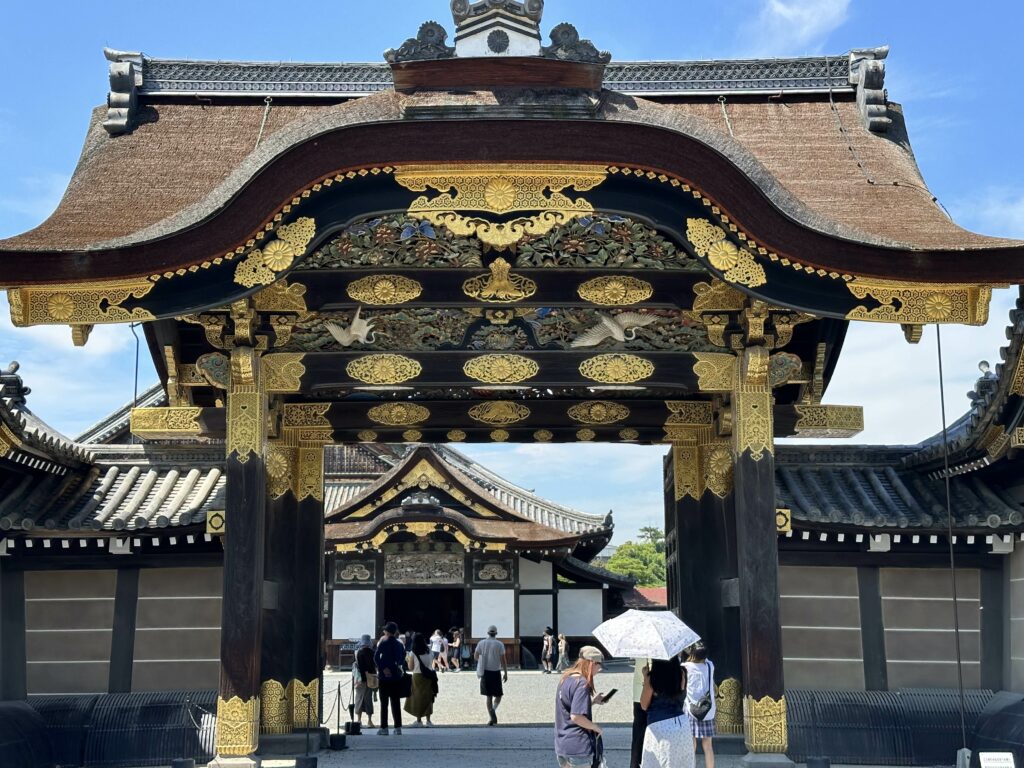
The Kara-mon gate at the entrance to Nino-maru Goten Palace.
Nijō Castle preserves 422 years of Japanese history; from the well-known samurai of the Edo period up until the modernization of Japan in the Meiji Restoration. The castle is a must-visit location for all samurai and history fans. It’s located a short walk away from Kyoto’s famous Nishiki Market, making it an easy addition to any Kyoto excursion.
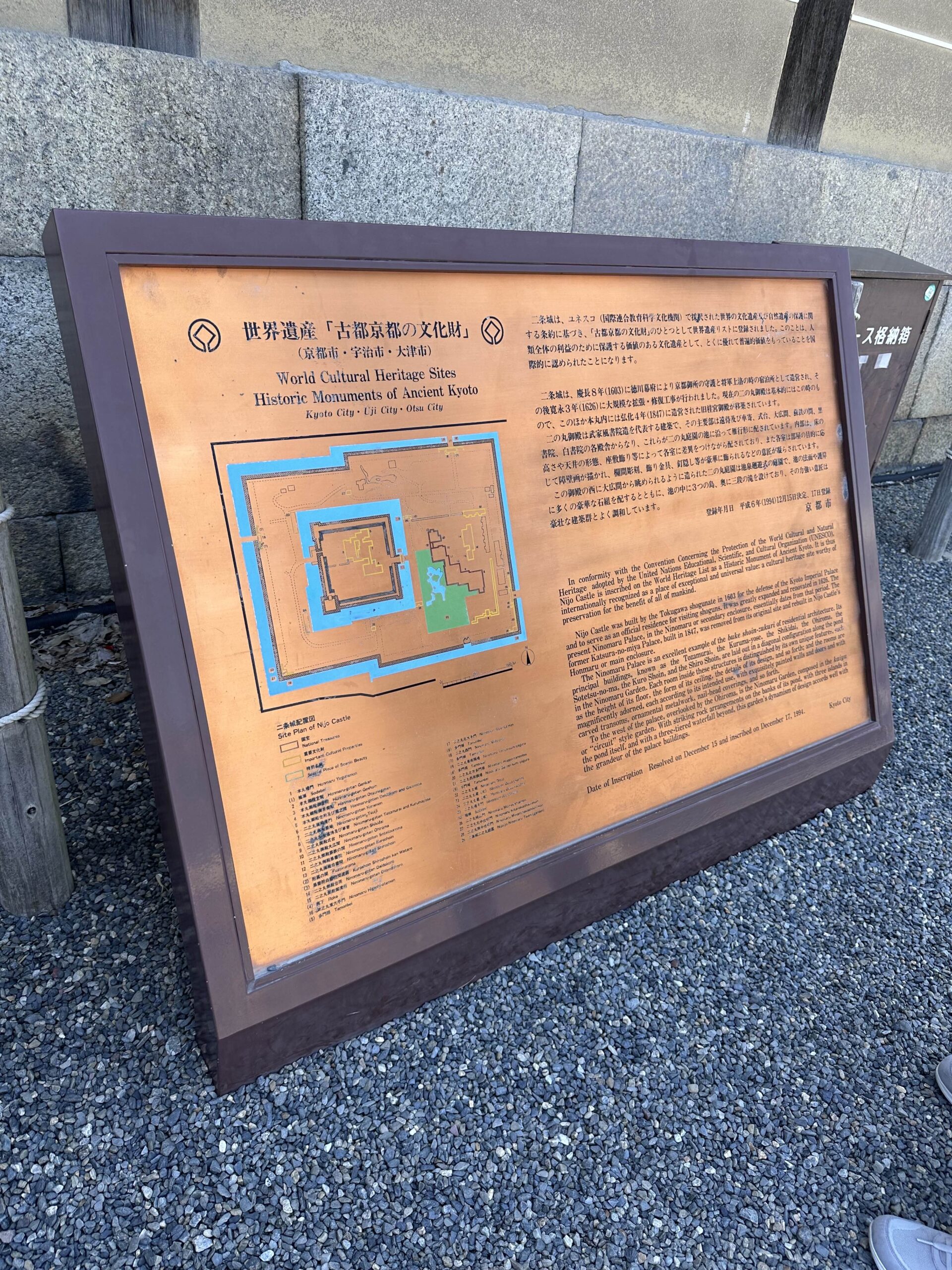
Tickets to Nijo-jo are 1,300 yen (about USD $9). The ticket office is easily accessible by the street. Some sections of the castle, such as the Honmaru-goten Palace, require an additional reservation to enter. Photography within the original buildings of Nijō-jo is expressly prohibited.
Nijō Castle is one of 17 different UNESCO World Heritage Sites in Kyoto. Walking up to the front gates is an incredible experience. The stone walls of the castle rise high above the surrounding moat spotted with green lilies. The first layer of Nijō Castle’s formidable defenses completely enclose the complex.
The Ninomaru-goten palace is perhaps most well-known to visitors for its iconic “nightingale corridors.” These corridors create a sound similar to the song of a nightingale as people walk through them. The sound of the corridors was mistakenly thought to be a security feature to detect intruders walking through the palace, but more recent information has revealed that the sound is unintentionally created by the pressure of floor joists creaking against metal nails in the wood. The myth of the nightingale corridors being used as a defense against intruders continues to persist despite the corrected information now available.
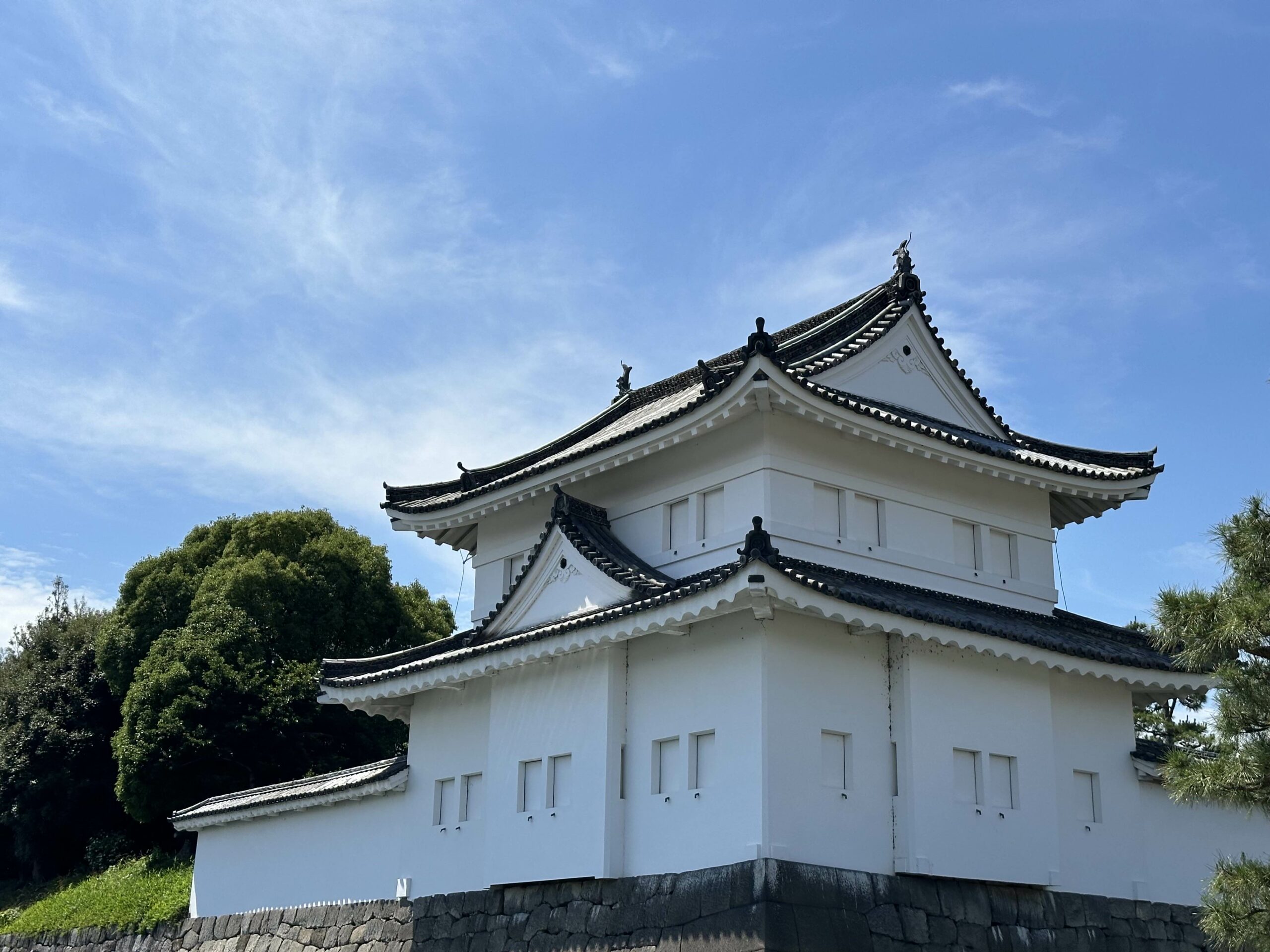
Past the Higashi Ote-mon (east gate) and the Tonan Sumi-yagura (southeast watchtower), visitors will see the Kara-mon Gate come into view. The gate stands guard in front of the entrance to the Ninomaru-goten Palace. This gate stands out from the grey and white stone walls of the castle. It is decorated with intricate carvings of the natural environment to symbolize the longevity of its protection. Carved lions stand guard on either side of the gate for protection.

Through the Kara-mon Gate, the Ninomaru-goten Palace sits as one of Nijo-jo Castle’s main structures. The palace is made up of 6 smaller buildings that are connected by the nightingale corridors. Each building is divided up into rooms that serve specific purposes. Sectioned off from the entryway is the Tozamurai, where feudal lords would wait after entering the palace. The walls of this room are decorated with paintings of tigers to symbolize the power of the Tokugawa shōgun. Each successive room contains more paintings of natural scenery and fauna. The palace boasts 3,600 wall paintings in total.
The most noticeable feature of the rooms on display is the acute attention to detail. Every room has a specific purpose, with specific design implements to accommodate. Some rooms have raised platforms for those in positions of authority to sit above visitors, while others are completely flat, and the ceilings vary in height.
The castle has witnessed centuries of the most historically important events in Japan. These halls were once filled with the greatest authorities of the Edo period: samurai, feudal lords, messengers, royal families and the Tokugawa Shōgunate alike. The palace, and Nijō Castle, even oversaw the transfer of power from the shōgunate to imperial control.
Outside of the Ninomaru-goten Palace, the later additions of the Seiryu-en and Ninomaru Gardens decorate the path to the central Honmaru Bridges. After crossing the bridge over the second moat within Nijō Castle, visitors will find themselves in the Honmaru Garden, adjacent to the Honmaru-goten Palace.
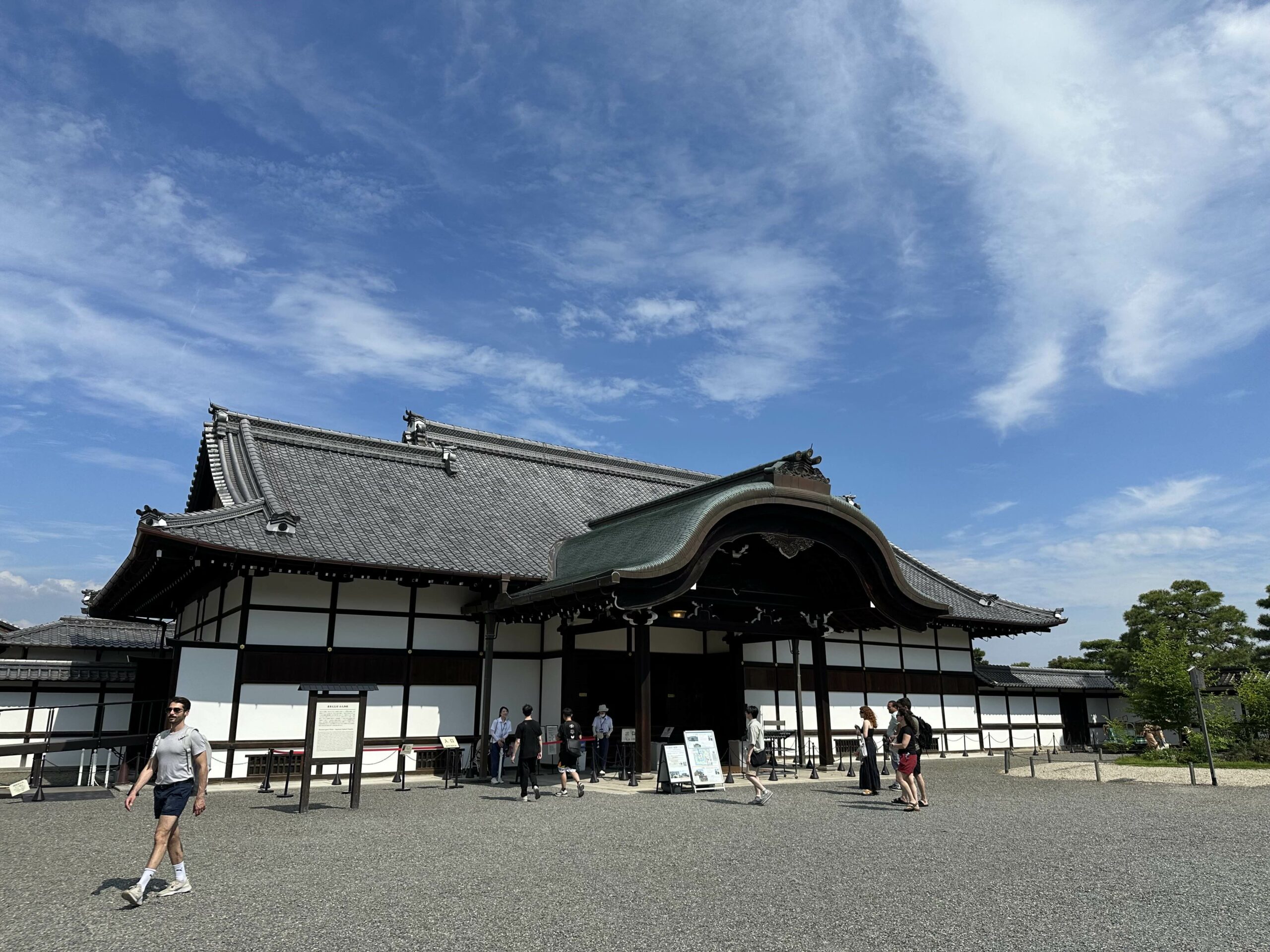
The Honmaru-goten Palace requires an extra reservation for visitors to Nijō Castle. The palace was moved here during the Meiji Restoration and was not an original part of the castle grounds.
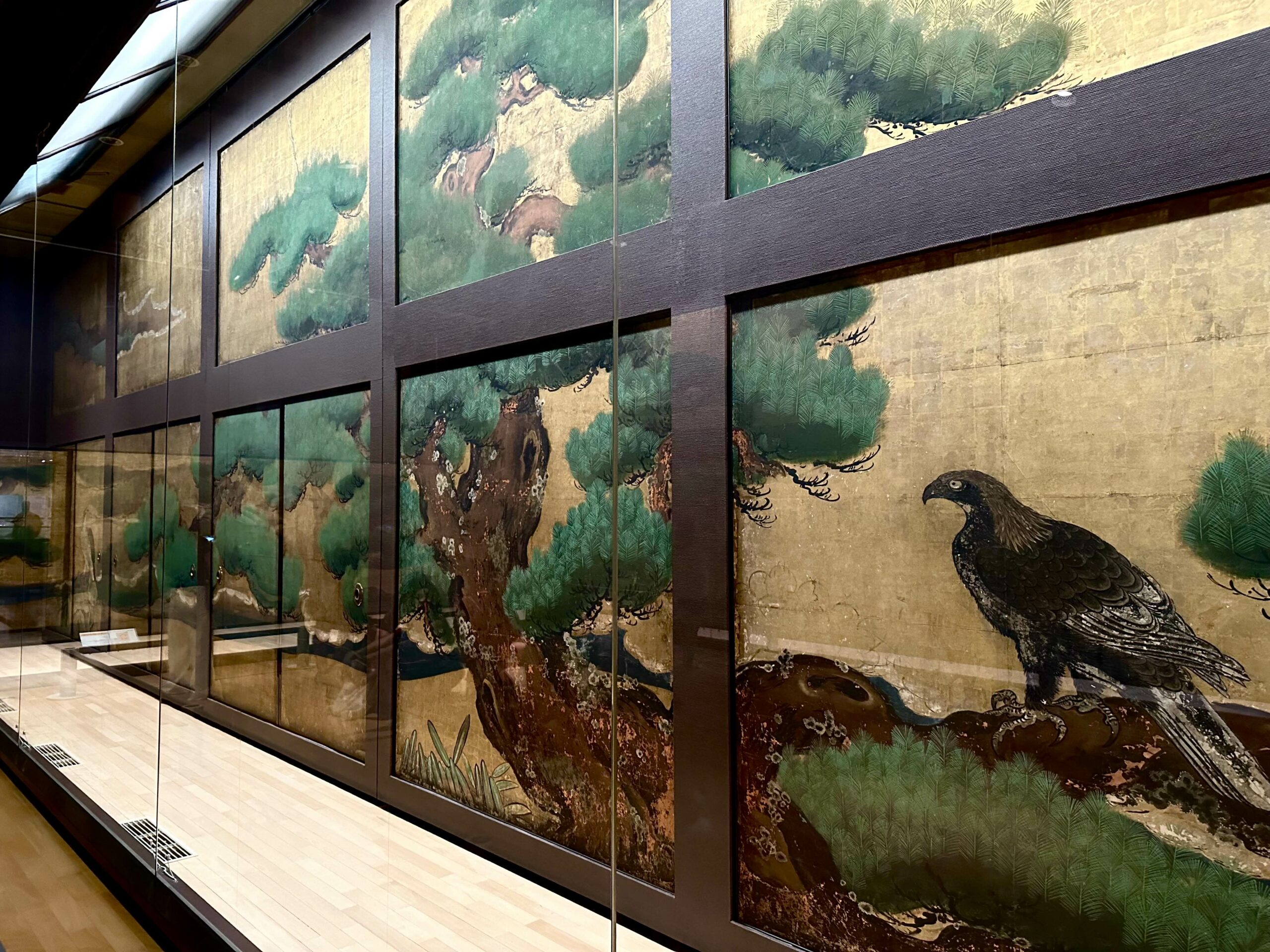
Visitors should set aside time to visit the Painting Gallery near the outer wall of Nijō Castle. Original wall paintings from within the Ninomaru-goten Palace are showcased within the gallery. The gallery is open 240 days a year, and changes its content every quarter. In 2025, the summer quarter was host to the original paintings of the Ohiroma Yon-no-ma room. More popularly known as the “hawk room,” the true purpose of this room is not entirely known, but it is thought that this room may have been used to display weaponry.
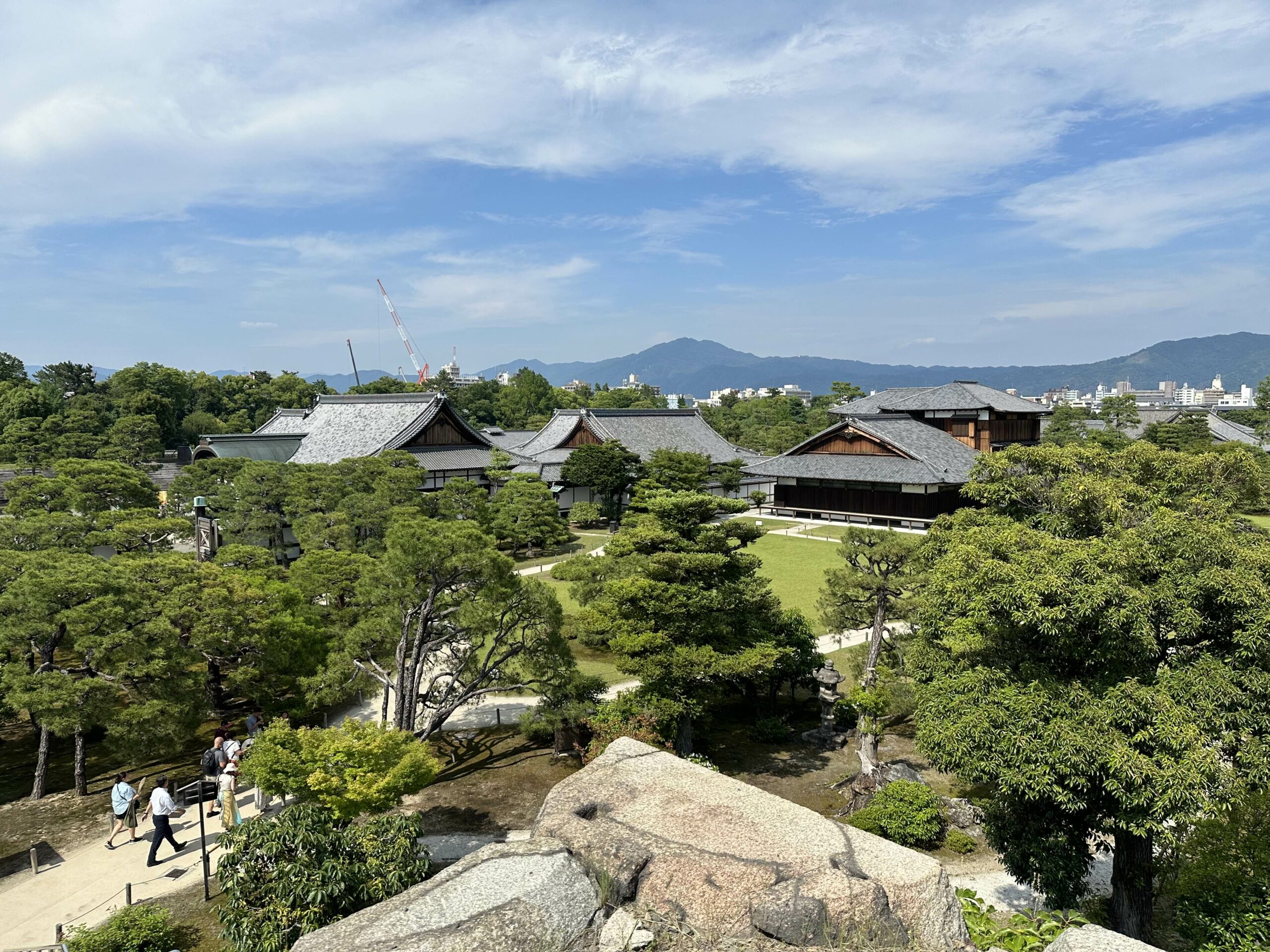
For an all encompassing view of Nijo-jo Castle, visitors should go to the ruins of the keep tower in the Honmaru Garden. The tower was destroyed by a lightning strike in 1750, but the foundation now remains as an excellent observation deck to view both palaces and the surrounding walls.
Nijō Castle is well worth a visit for anyone in Kyoto. The grounds can be sufficiently covered in two-to-three hours. If visitors wish to spend more time at Nijō Castle, the gardens host two separate tea houses and a gift shop with snacks and a rest area are nearby the entry gate.
About The Author