In a city known for its temples, shrines and historic streets, some of Kyoto’s most meaningful cultural experiences can be found inside a quiet tea room.
Walking in and being greeted by the shining smile of the staff immediately opens up the experience that you know will be unforgettable. You then walk in to hear about the importance of the utensils, rituals and etiquette that have been passed down through generations. This had all the SJMC Japan students stop and really focus on all the movements throughout the process.
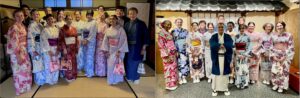
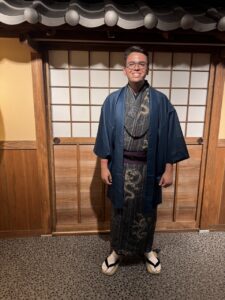
First, students chose colors for various parts of the kimono, each of which featured unique colors, patterns and designs. The whole process was filled with details that made the experience feel so special. From personal hair designs to getting dressed head-to-toe in beautiful flowers and silk, they really showed a firsthand look at the craftsmanship and cultural significance.
After being fitted for kimonos, students also had the opportunity to prepare their own bowls of matcha. While preparing their own matcha, they got to learn the different traditional techniques used to whisk the tea and create the perfect amount of bubbles to cut the bitterness. With the tea, the students also got to enjoy some seasonal Japanese sweets. The instructor was also able to guide students through each step of the process. This experience made all the students feel like they had a personal experience.
Throughout the ceremony, the instructors taught the students that every movement, no matter how small, serves a purpose within the ceremony. As students watched each step, they sat silently as everything unfolded. Students then began to understand how mindfulness and attention to detail are woven into every aspect of the tradition. This allowed the students to fully dive into the culture of the experience.
All the different actions during the ceremony were shown to be performed with intention. This showed students how to handle the tea bowl as a purifying tool rather than just a bowl.
The tea ceremony is deeply connected to Zen Buddhist teachings and is built upon four guiding principles: harmony (wa), respect (kei), purity (sei), and tranquility (jaku). These principles influence every aspect of the ceremony, from the interactions between guests to the careful preparation and presentation of the tea. Each student learned the importance of Ichigo Ichie, or the feeling of cherishing each moment because no gathering can ever be recreated the same way. Even if the same people meet again, the season, weather and circumstances will be different.

Because of the size of the SJMC Japan group, the tea ceremony experience was divided into two separate groups with slightly different experiences. One group was seated on tatami mats on the floor while the other group sat on small chairs. Still, both groups experienced being surrounded by traditional Japanese décore giving students a calm and reflective atmosphere. Through the ceremonies, students gained a deeper understanding of how Japanese culture values mindfulness and hospitality while finding meaning in life’s smallest moments.

After about an hour, the ceremony came to a close. The students stepped out of their kimonos and the culture they just become a part of. Leaving with photos and so much exposure to the culture, students felt this experience completely changed their view of tea ceremonies altogether. The experience provided a deeper understanding of Japanese traditions and the values that continue to shape everyday life in Japan. Through the lessons of Ichigo Ichie, the matcha preparation ceremony showed great attention given to every detail and valuing the whole experience.
Throughout the whole process, the students were reminded to slow down and appreciate the present moment. Throughout Kyoto, you see a lot of historic landmarks and culture, but there are also a lot of secret treasures throughout the country. The traditional tea ceremony was able to offer something unique for each student and provide lasting memories and lessons.
As SJMC students left the tea room and changed out of their kimonos, they carried more than just photos and memories with them home. They got to experience a part of Kyoto that offered a deeper understanding of the values that continue to shape Japanese culture today.
They also got to experience a ceremony of mindfulness and respect, while also gaining an appreciation for the present moment. While Kyoto’s temples and historic landmarks tell the story of Japan’s past, the tea ceremony allowed students to actively participate in a tradition that has been preserved for generations.
Through lessons like Ichigo Ichie, students were reminded that some of the most meaningful travel experiences come not from what we see but from taking the time to fully appreciate where we are and who we share those moments with.
About The Author