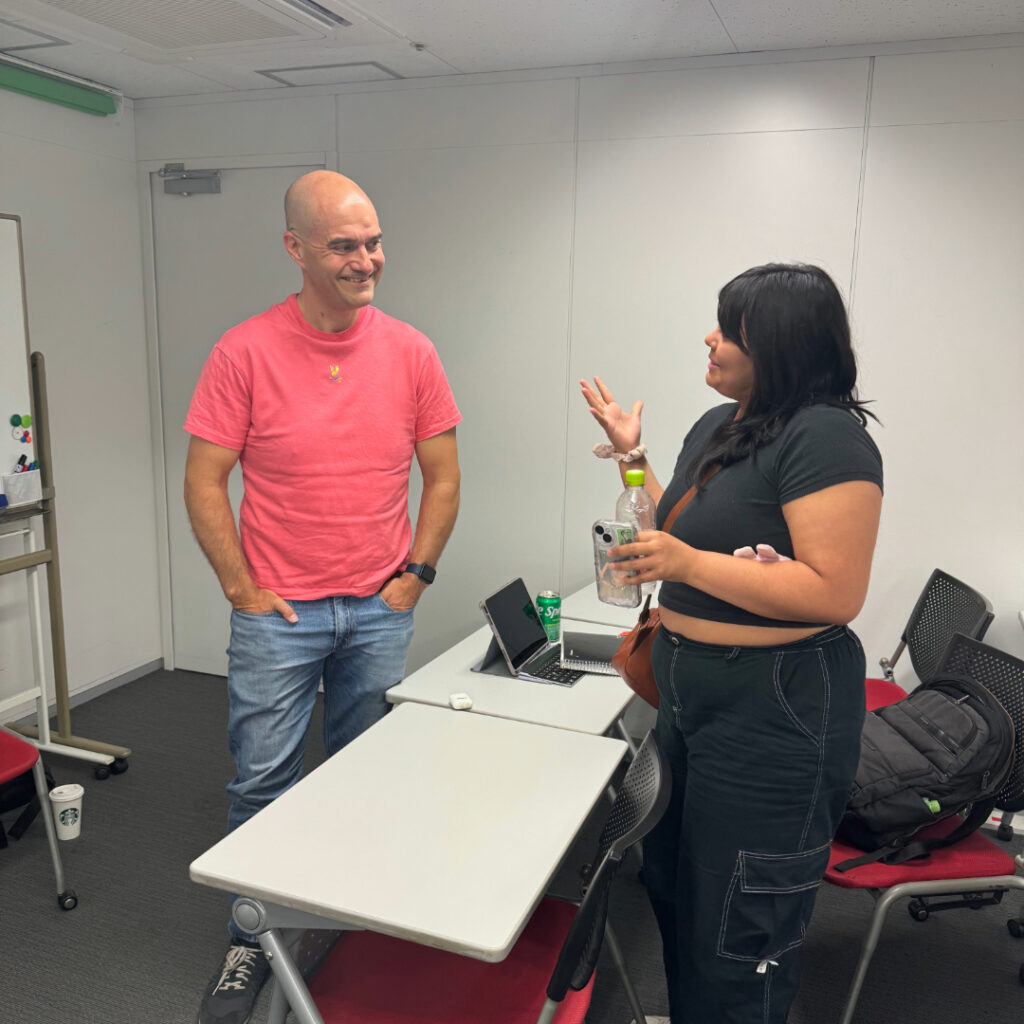
As part of their immersive study abroad experience in Japan, SJMC Japan students had the unique opportunity to visit Unseen Japan, a small news and culture site that seeks to report on little-talked-about stories in Japan.
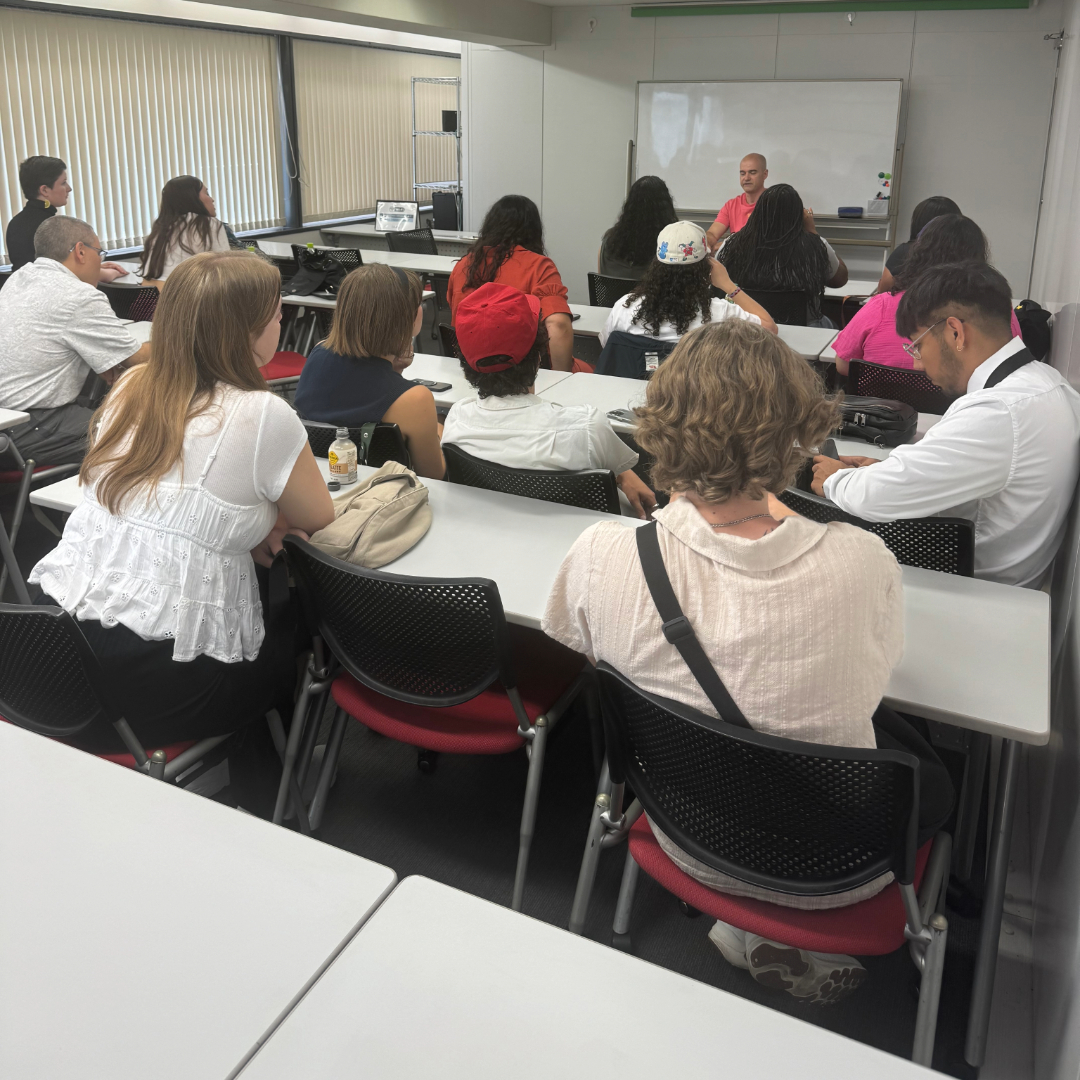
SJMC Japan students engaged in an inspiring Q&A session with co-founder Jay Allen on June 10. Students got an insider’s look into the operations of the independent media platform dedicated to exploring the fascinating layers of Japanese culture, society and news that is often not in the spotlight or in mainstream.
Allen’s candid discussion about his journey, the challenges of running a grassroots internet publication and the nuances of Japanese culture provided the students with invaluable insight and a deep appreciation for the art of storytelling beyond borders.
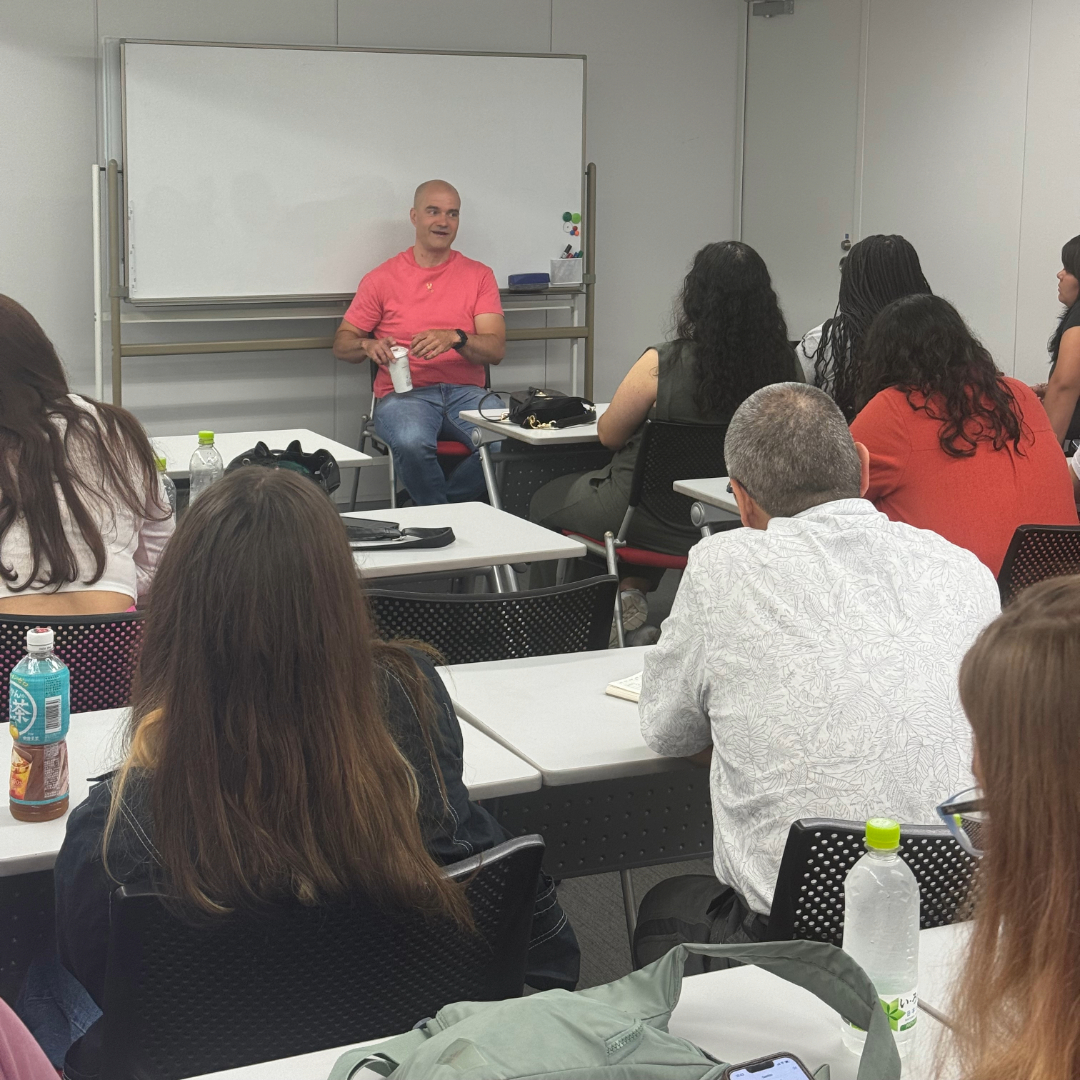
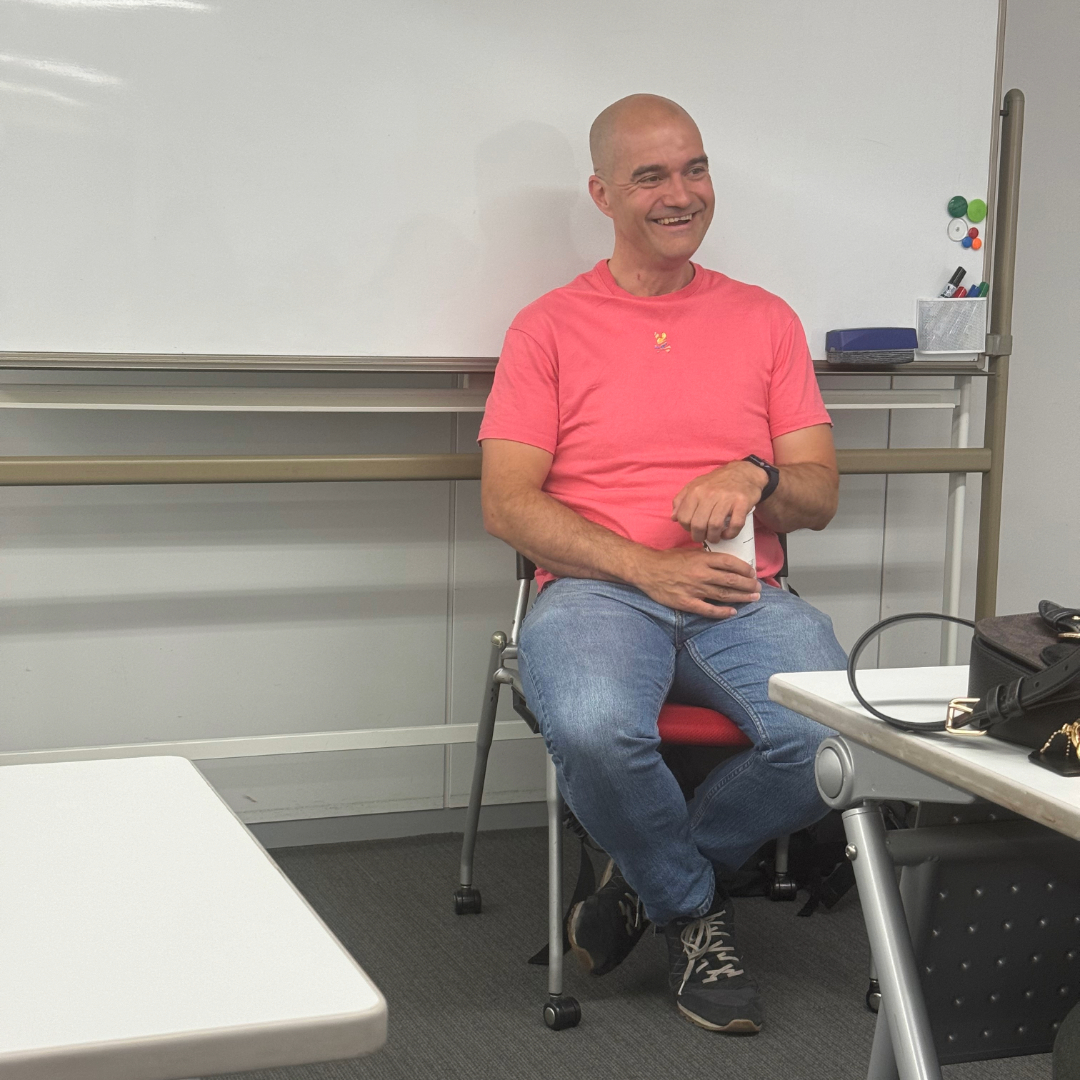
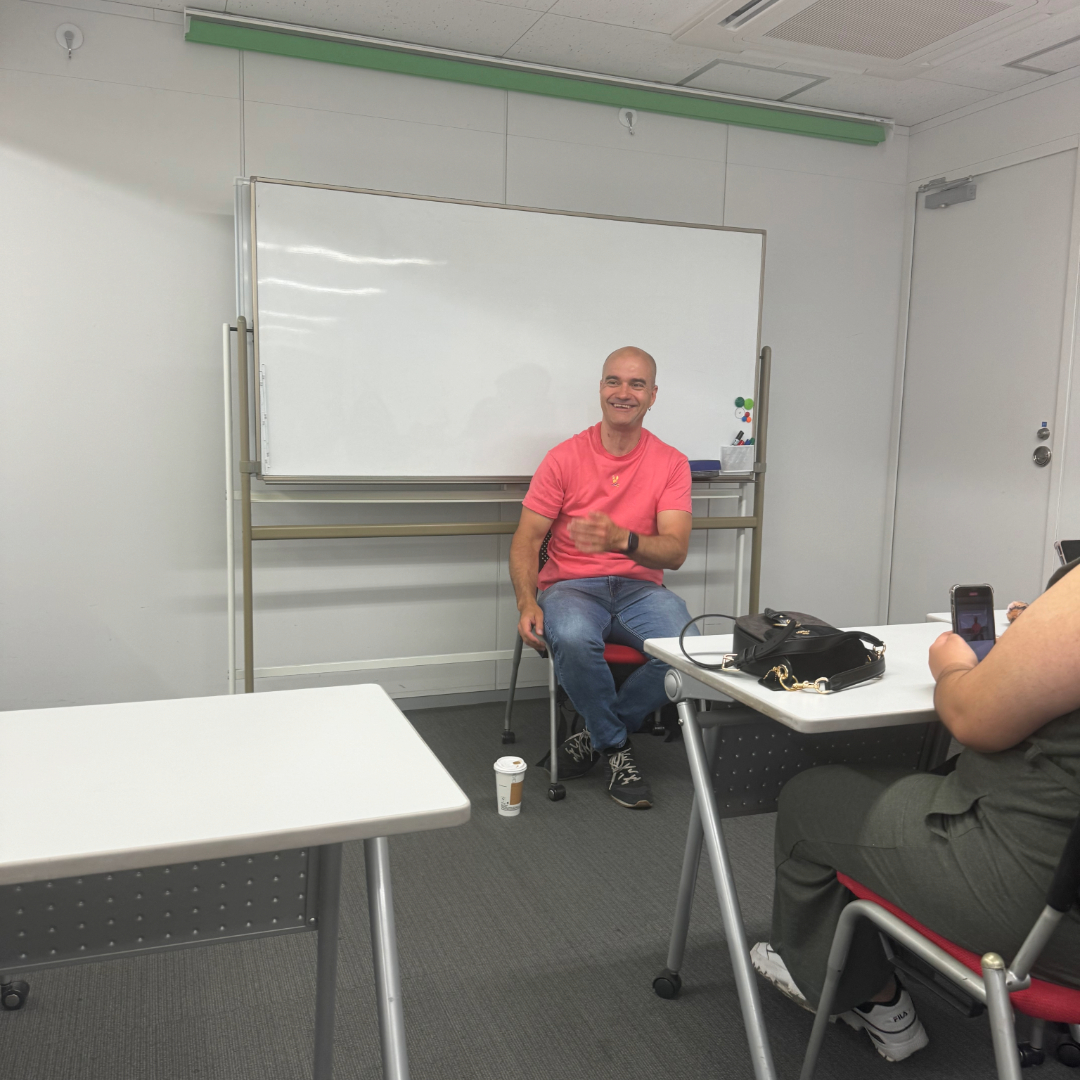
Allen described the collective as a small grassroots internet-era publication which he co-founded in 2018. The team is led by Allen and his colleague, Noah Osco, who serves as the editor-in-chief. Despite the size of the operation, they manage a team of six to 12 writers, with four core contributors regularly producing content.
He attributed his life-long love for Japanese culture as the inspiration behind Unseen Japan. In 2013, he studied Japanese and considers himself self taught. He said he continues learning by using language apps in order to grow his linguistic abilities.
His love for anime and Japanese culture catalyzed his move to Japan. Once in Japan, he discovered an infinite number of topics that are not typically reported by English-language news organizations. He spent the next five years learning Japanese and immersing himself in the culture.
This unique media hub focuses on unconventional topics that are not considered mainstream in Japan. One such topic is that of Kazuko Fukuda, a former hostess who committed murder and evaded capture in 1982. Allen’s decision to cover such topics set the foundation for the digital publication. He was fascinated by the story and found that it was only reported in Japanese. This inspired him to write about it and pitch the story to Medium in 2018. This story then gained global traction.
“I thought, well, there might be a market here for stories about Japan that simply aren’t being told in the English language,” Allen said. “And what we do have in Japan sort of evolved out of that.”
He described the Unseen Japan philosophy as unconventional. Allen said he doesn’t consider himself a journalist – he works as an IT specialist when not contributing to the publication. Instead, he describes what Unseen Japan does as media observation and media analysis as well as contextualization. Allen went on to say his one guiding principle for the publication was avoiding stereotyping Japanese society and instead focusing on topics people wouldn’t typically read about.
“I didn’t want to write the 1,000th article on ‘Have you heard of onigiri?’ or something like that,” Allen said. “I wanted to write stuff that was actually interesting, and to me, what is interesting is watching Japan change over time and looking at and observing what sort of discussions are happening in the country.”
Allen discussed how Japan is portrayed in this conservative manner and while there may be some grain of truth there, the fact is there has been a lot that has changed in the country and providing context to readers is imperative in capturing this evolution. This context, Allen said, is why they have a devoted following. The publication is essentially giving perspective and context on topics they typically would not find anywhere else.
While the small-grassroots company has big goals, Allen mentioned it is a month-to-month company and like any other publication, the challenge is figuring out how to make money from news.
“To even create a self-sustaining news organization these days, it’s going downhill, rapidly fast,” Allen said.
To combat this challenge, the publication puts strong emphasis on social media strategy and advertising as well as maintaining a monthly membership program. One of the biggest factors supporting the publication is ads on Medium and other websites.
The newly launched tourism business also helps support the website and work they want to do while remaining consistent with the brand. Just as the news site is unconventional, so are its tour offerings. Unseen Japan boasts unique tours “away from the usual tourist traps” and personalizes an individual’s journey based off their preferences and interests.
Although the publication is consistent with the content it puts out, Allen said he puts huge emphasis on work/life balance when it comes to his team but is actively trying to manage for himself as well.
“I try not to make any demands of anybody,” Allen said. “I say, you know, get to it when you get to it. I know you guys have lives.”
Additionally, Unseen Japan is a fully remote publication, so this puts an even bigger focus on flexibility allowing freelance contributors to live their lives while working at their own pace.
Unseen Japan employs a number of communication strategies to keep the audience engaged. Social media is at the top of the list for Allen’s innovative takes on how to reach an audience. Allen touted a strong presence on X, formerly Twitter, of nearly 124,000 followers with high engagement as one way the publication has made its mark. Engagement includes shared articles, engaging with the audience as well as participating in discussions about Japan.
Their social media presence, oddly enough, grew due to a controversial image he posted on the website. At the time, they had a following of about 5,000 when Allen published an image of a racy anime character at a blood drive in Japan with a caption saying he didn’t believe that it was appropriate for the event.
“English-speaking, non-Japanese anime and manga fans just kind of descended upon the account like a ton of bricks,” Allen said. “Plus-side the account doubled in size overnight.”
Their user-friendly website, as many of the SJMC Japan students noted, hosts an array of articles on interesting topics not typically found in the mainstream.
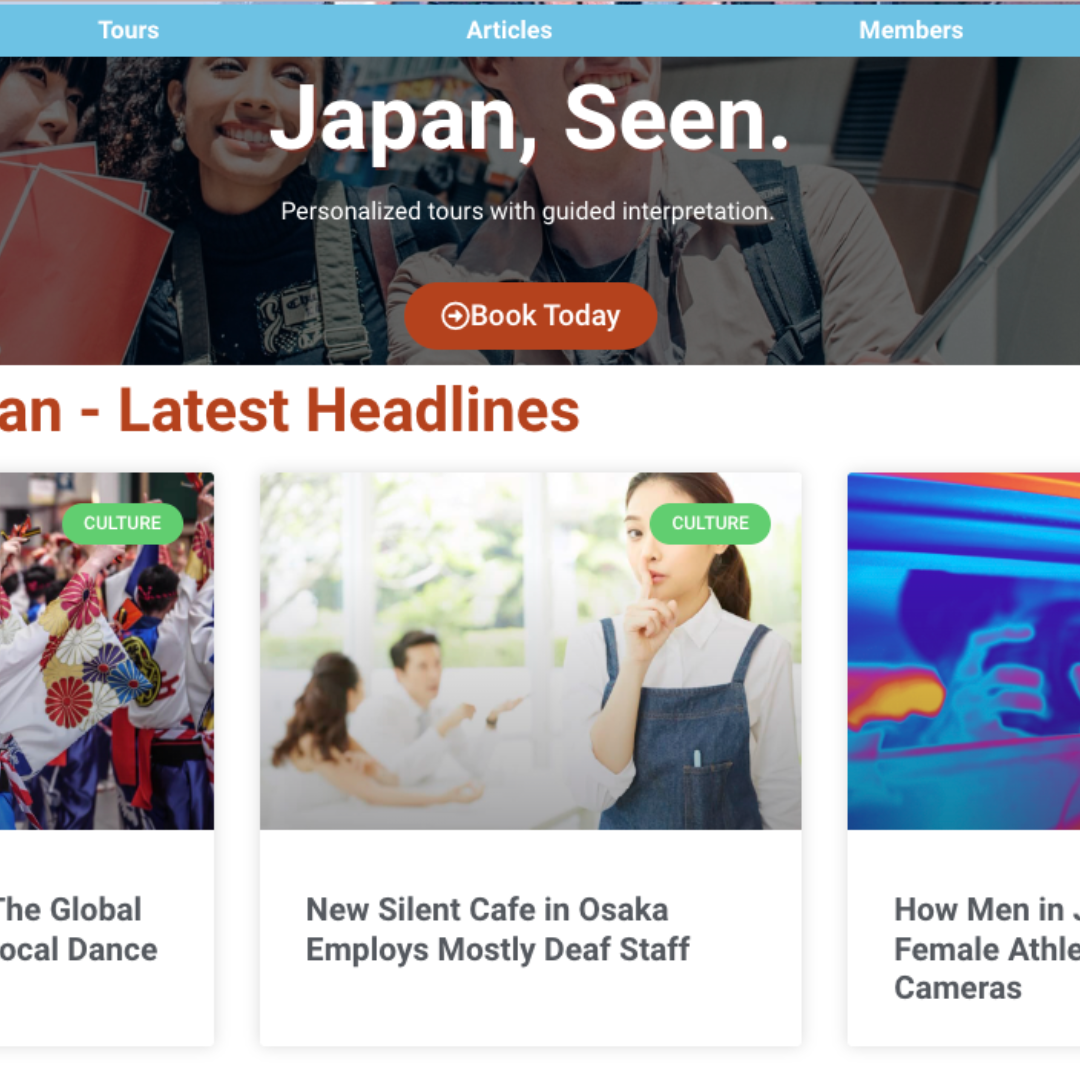
They also put priority on YouTube, which he mentioned Osco spearheads. This diversification of media helps reach different audiences. Allen mentioned they are trying to expand beyond long-form video and focus on short-form content such as reels on social media and TikTok in order to meet the evolving demands of their audience.
The students were intrigued by the publication’s humble beginnings but were even more inspired by Allen during the Q&A portion of the visit, where students gained firsthand insights into the operations and philosophy of the publication and Allen himself.
As noted, Unseen Japan covers an array of topics, some more controversial than others.
“What are some challenges with covering social or controversial topics?” Laura Restrepo Posada, digital media innovation junior, asked.
Allen was candid in his response.
“Death threats. Harassment. I’ve dealt with a lot of harassment,” he said. “I’ve dealt with efforts of trying to dox me and my location in Tokyo.”
Additionally, the publication writes about the LGBTQ community and indigenous population amongst others which can garner this type of online harassment. However, he emphasized it is important work that needs to be done and what they are publishing is factual.
“If we’re going to write about something, I make sure we have everything,” Allen said. “ You’ll completely fact check and verify from around just to make sure that we can back it up, if we were called on to back it up.”
Electronic media senior Kaylie Kruk was interested in advice on improving their writing skills.
“I found that a lot of great writers seem to have really great editors,” Allen said. “Pay attention to the way everything flows and sounds, read your work out loud. It’s really important.”
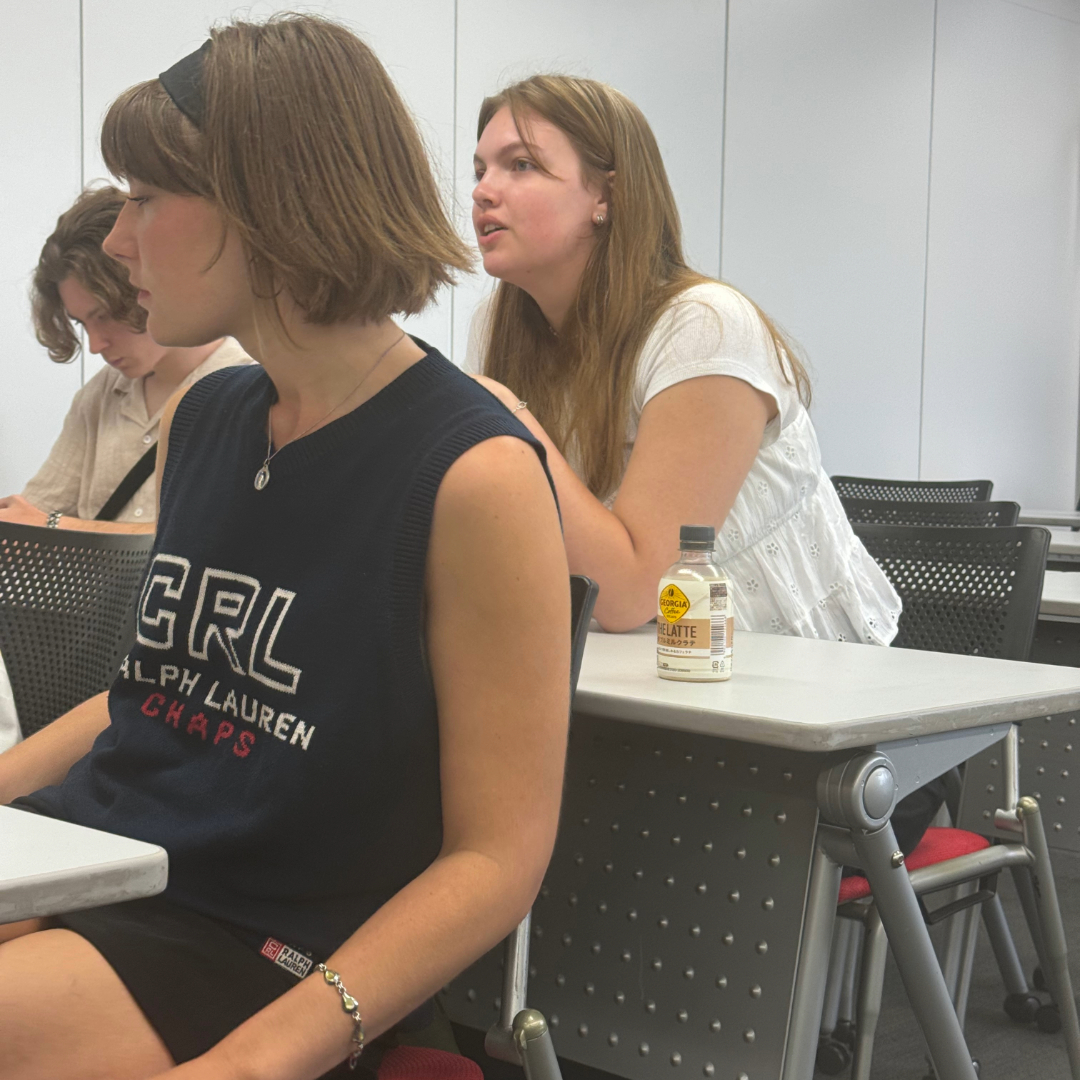
Another student was interested in Unseen Japan’s future. Valerie Figueroa, a mass communication graduate student, asked Allen about the possibilities of a collaboration across multiple countries.
“I had thought about at one point maybe doing an Unseen America in Japanese,” Allen said. “That would be like my next spot for brand extension.”
As goals for the future of the publication were discussed, it was evident why such publications exist and the value they bring to society. As Unseen Japan continues to grow and evolve, it remains a testament to the power of grassroots journalism and the appeal of well-told stories. The experience offered students valuable insights into its operations and core values, highlighting the importance of passion, authenticity and cultural sensitivity in media and journalism.
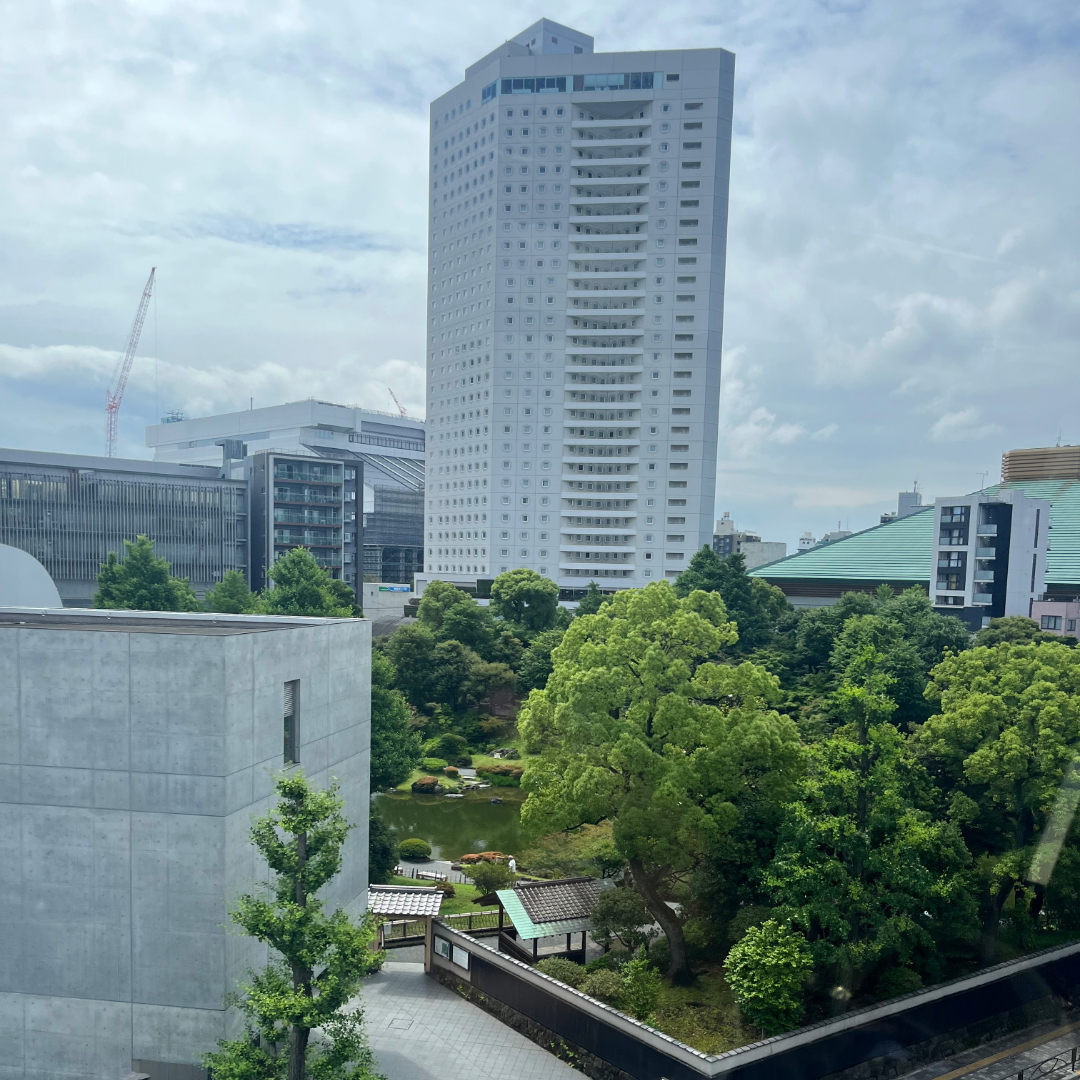
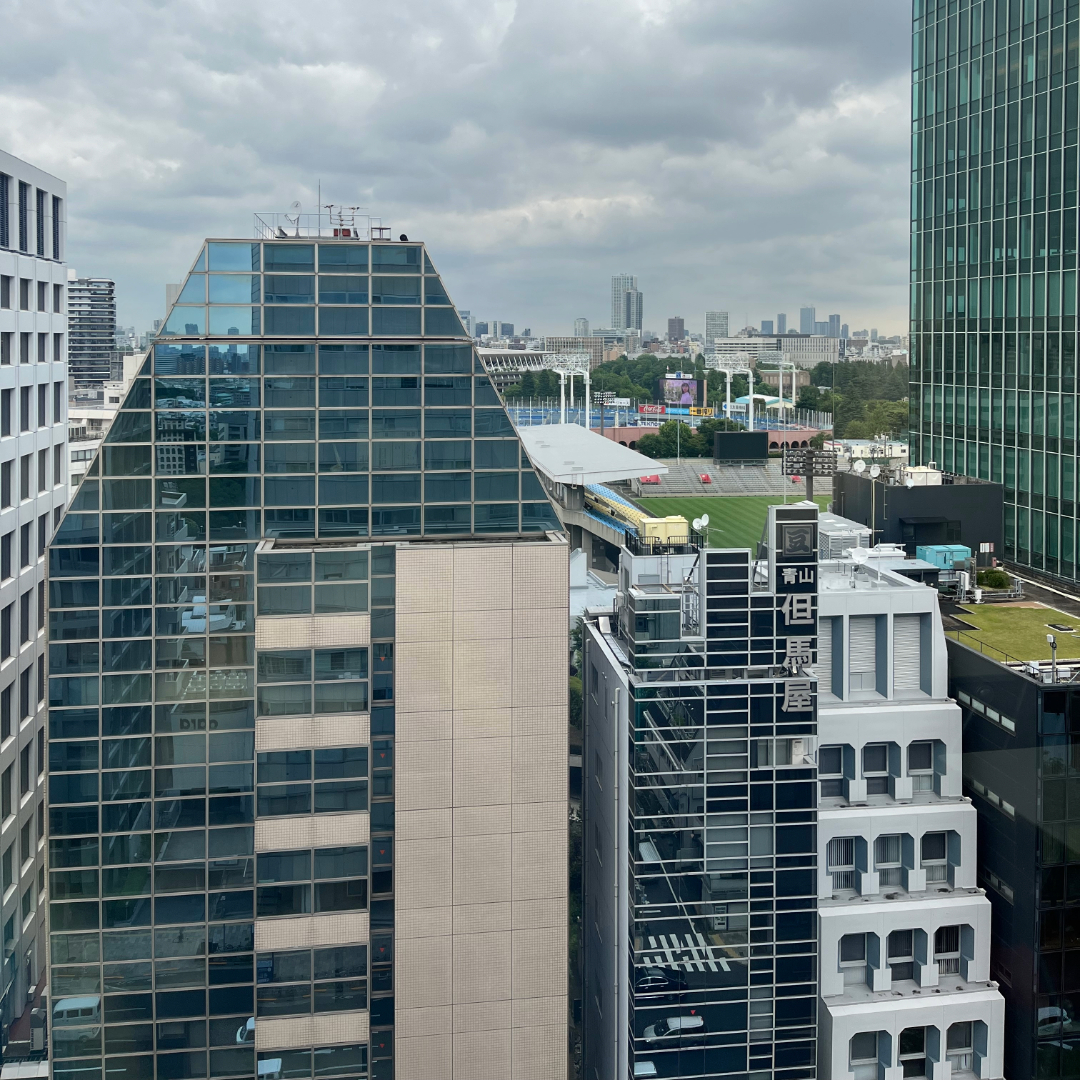
Because Unseen Japan operates remotely and does not have a central office, Asia Institute arranged office space for SJMC Japan to meet with Allen in a busy area near Meiji Jingu Stadium. The visit was inspiring, especially given their location near the beloved stadium, a site slated for demolition amidst controversy over redevelopment plans that opponents have questioned.
This on-going controversy involving one of Japan’s oldest baseball stadiums served as the perfect metaphor for the importance of publications like Unseen Japan, highlighting the need for in-depth and thoughtful coverage of such critical issues that often go unreported in the foreign press.
The visit to Unseen Japan differed from visits with the Wall Street Journal and Kyoto Shimbun, which are both more than 135 years old. In sharp contrast, Unseen Japan was started in 2018 trying to make its mark in a digital age that is continually evolving. Though the content it produces is not mainstream, it is just as important. The visit showcased the diversity in organizations visited, illustrating there is no one-size-fits-all approach in journalism.
About The Author