The night before I left for Japan, I was convinced I might not even make it onto the plane.
My suitcase was still open on the floor of my apartment. Clothes were scattered everywhere. My flight was only hours away, and instead of feeling excited, I was overwhelmed by fear. I had never traveled this far from home. I had never been on a flight this long. I was about to spend 12 days in a country I had never visited with people I barely knew. More than anything, I was battling a feeling that had followed me throughout the entire application process: imposter syndrome.
Every step of preparing for the program, I had the same question lingering in my mind, “Why me?”
Why was I selected for this opportunity? Did I deserve to be there? Was there someone else who would have benefited more from this experience?
As a first-generation Latina student, those questions felt impossible to ignore. Instead of celebrating my acceptance into the program, I often found myself doubting whether I belonged there at all. Looking back, I realize that my anxiety overshadowed much of the excitement I could have been feeling. Yet in a strange way, those doubts also motivated me. They pushed me to work harder and to be the kind of person I believed deserved opportunities like this.
The night before departure, two of my closest friends, Kayla and Ellie, came to support me. Even after long days of their own, they made the trip from San Antonio to help me pack and get to the airport. I remember them telling me that my wins were their wins. Their confidence in me helped me find confidence in myself. Finally, I started to believe that I could do this.
I decided to join the SJMC Japan program for several reasons. As an upcoming graduate, I wanted to strengthen my portfolio and gain professional experience that would help me stand out when applying for jobs. I wanted to become a stronger writer and challenge myself in ways that would be impossible inside a traditional classroom. I also hoped the program would help me gain clarity about my future career path. Most importantly, I wanted to push myself outside of my comfort zone. Growth rarely happens when everything feels easy, and I knew this experience would test me academically, professionally and personally.
Almost immediately after arriving in Japan, I realized that many of my fears had been unnecessary.
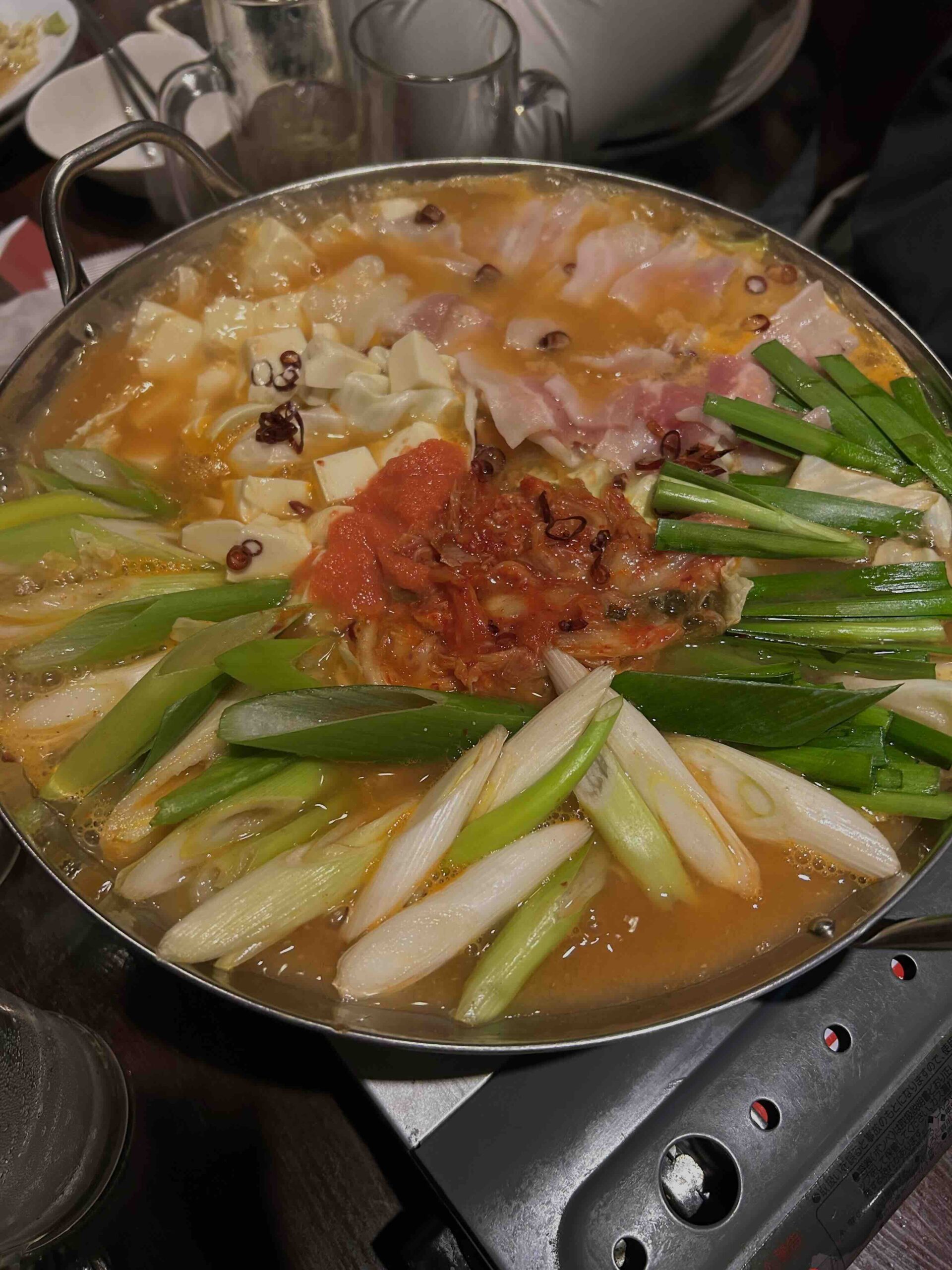
One of my favorite memories from the trip was our welcome dinner. After hours of traveling together and having our first full day in Japan, everyone was finally able to sit down, relax and enjoy each other’s company. The room was filled with stories, laughter and conversations that seemed to flow effortlessly. Looking back, I can see that this was the moment when many of the friendships from the trip truly began.
I remember finding myself talking with some classmates who would eventually become some of my closest friends during the program. At the time, none of us knew how much those friendships would grow over the following days. Now, when I think about the trip, I often think about those friendships first. It is incredible how quickly a group of strangers can become a support system when they share meaningful experiences together.
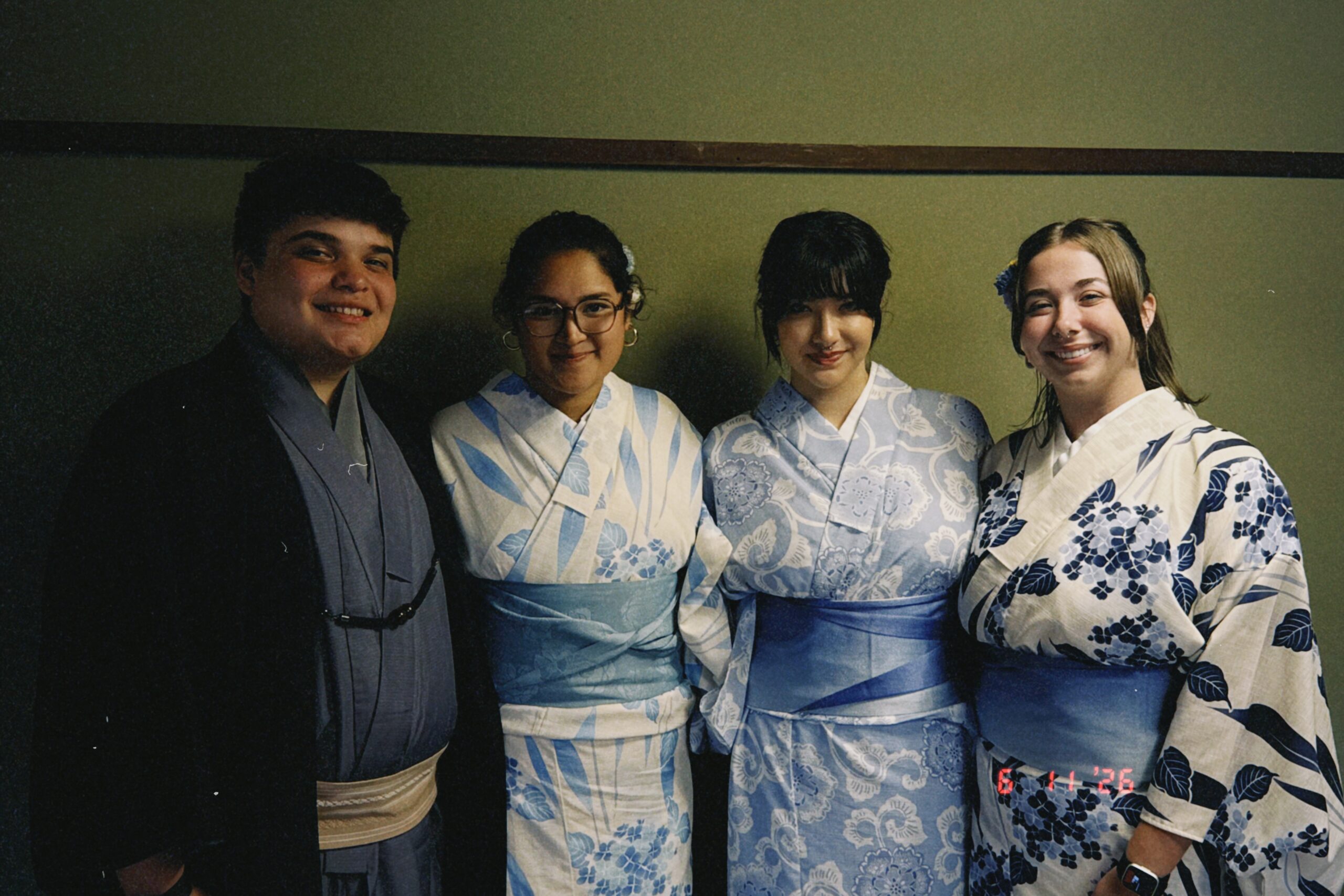
The welcome dinner also gave us one of the funniest moments of the trip. American music videos were playing on a television, and when our tour guide Michio-san noticed them, he could not stop watching. Everyone seemed to be having a giggle-fit. It was one of those small, unexpected moments that reminded me how much joy can be found in cultural exchanges.
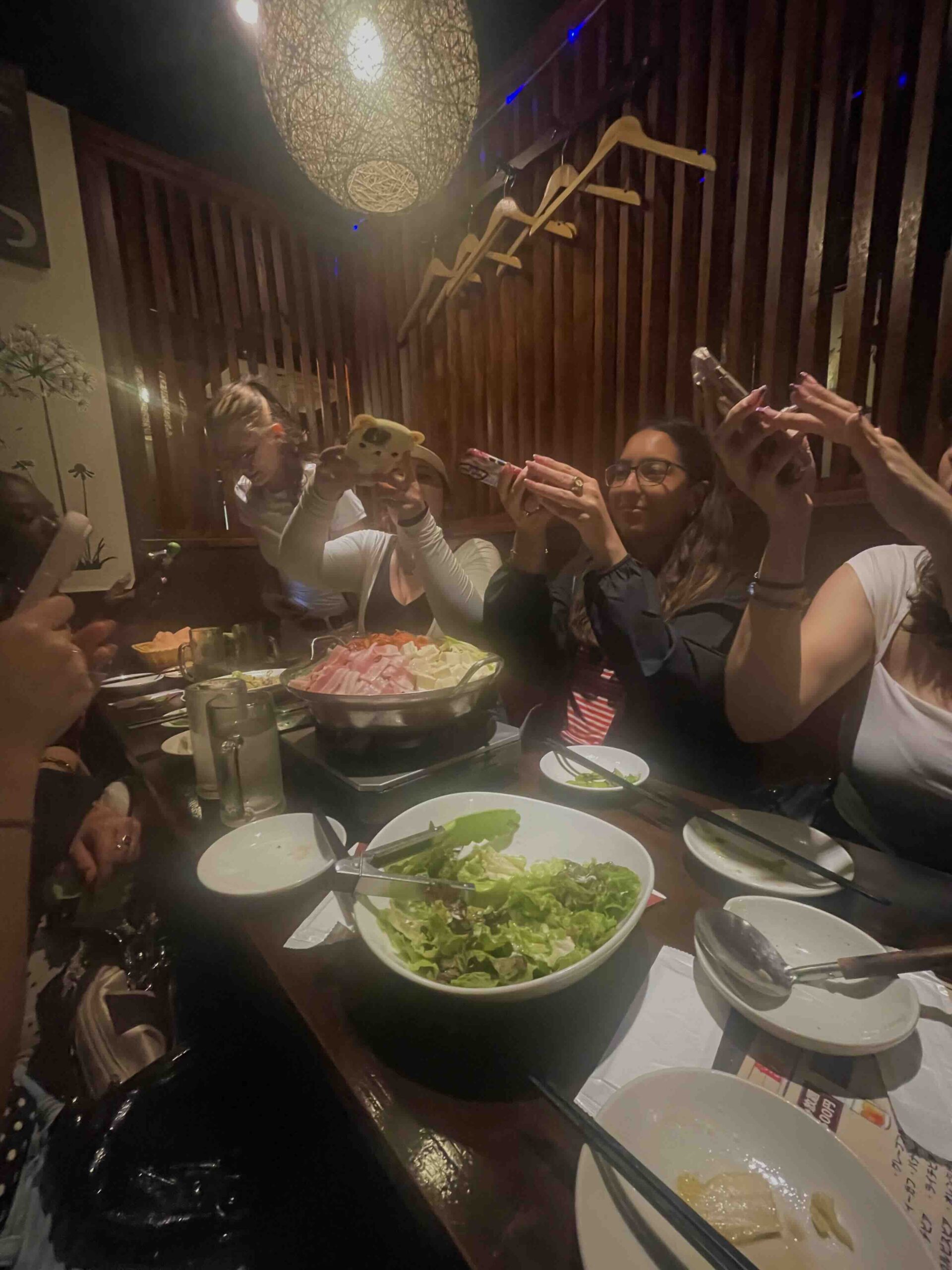
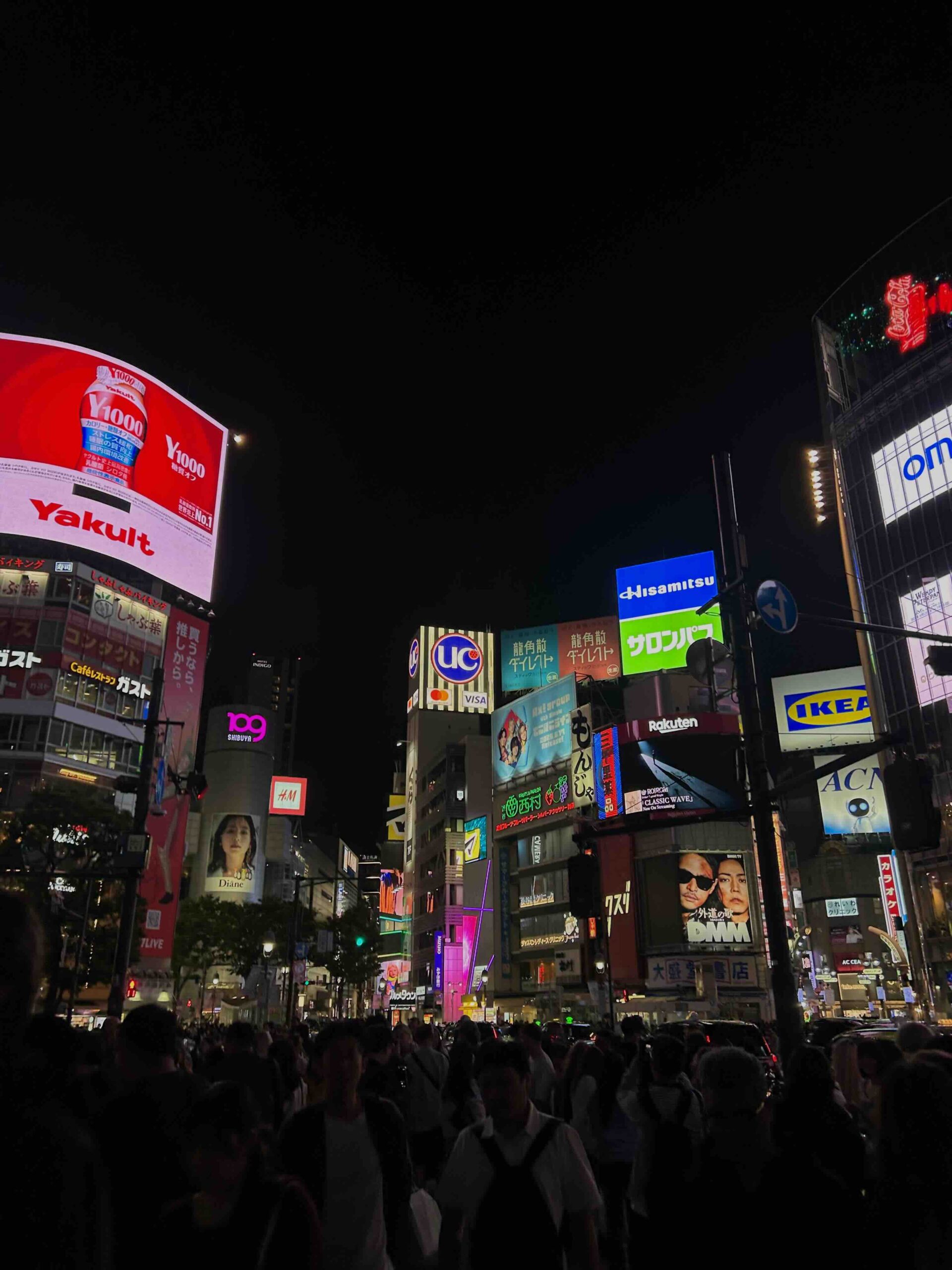
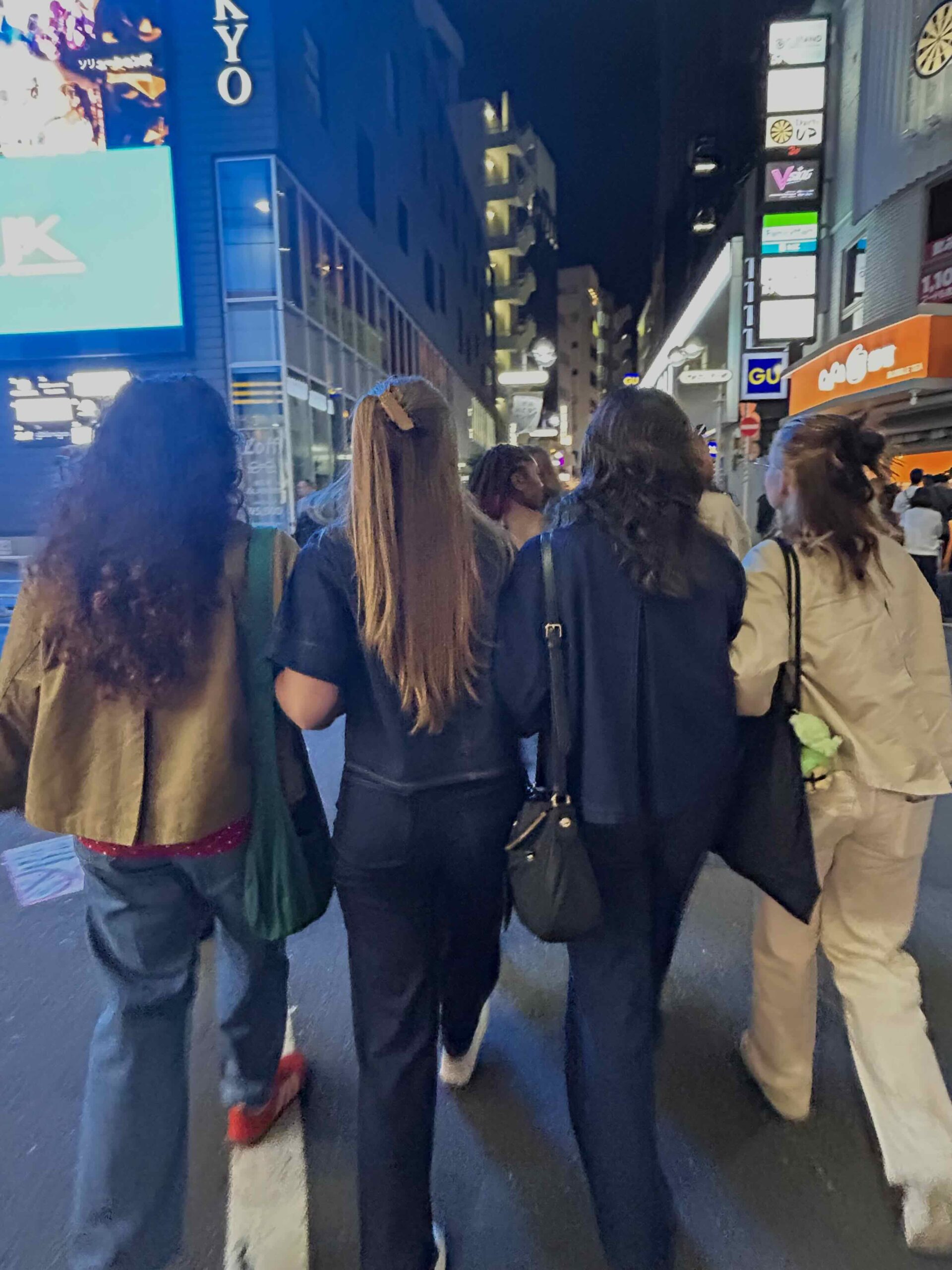
Later that same night, several of us traveled to Shibuya to experience the city’s nightlife. Walking arm in arm through the crowded streets, we crossed Shibuya Crossing alongside hundreds of other visitors and locals. Bright neon signs illuminated the city around us, making it feel almost surreal. We stopped to take pictures, explored side streets and continued learning more about each other. What stands out most about that evening is not necessarily what we saw but how naturally our friendships developed. The conversations never seemed to end.
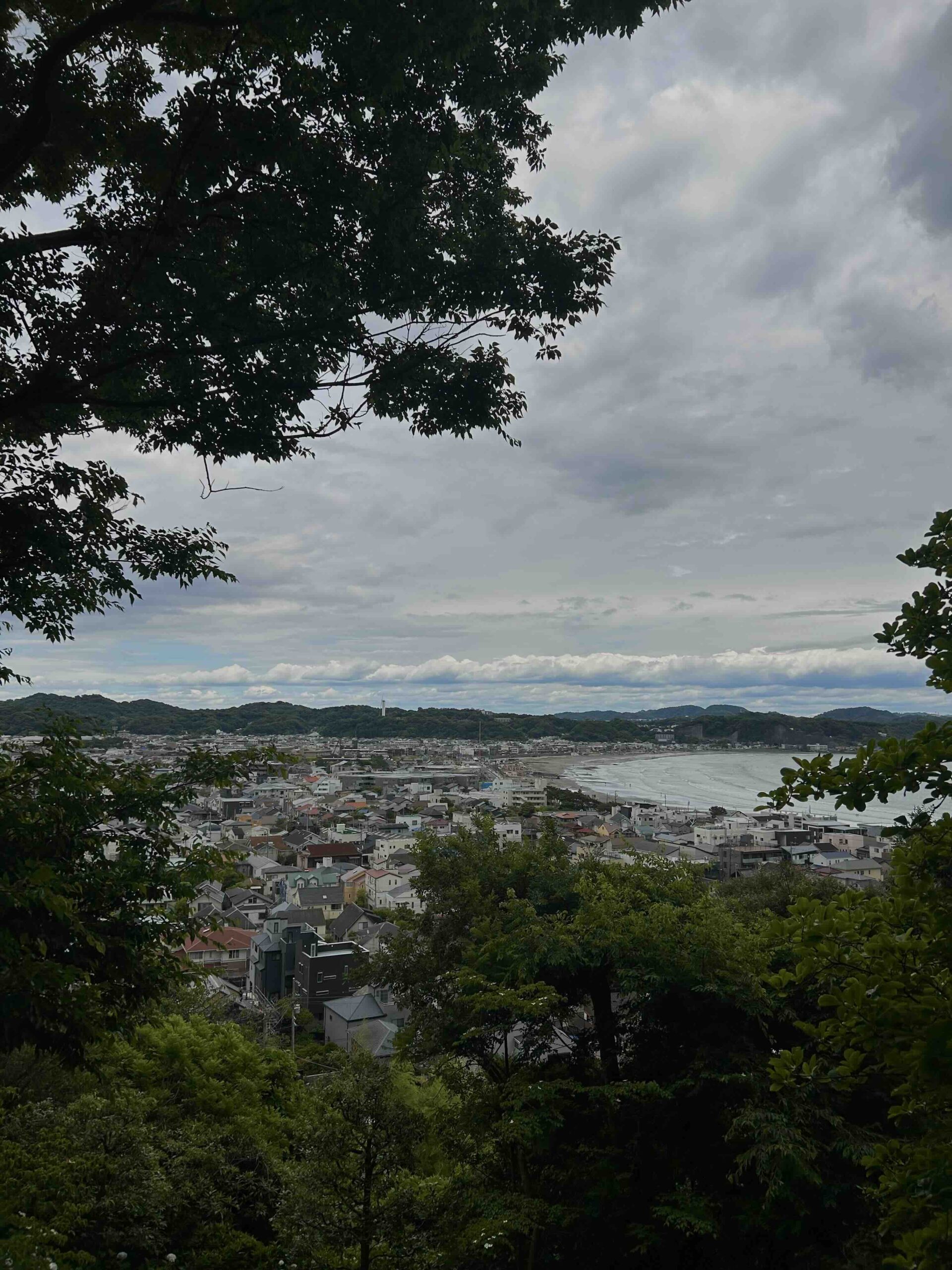
Another unforgettable experience was visiting Hase-dera Temple in Kamakura. Even now, I can clearly remember standing there and looking out toward the ocean. The view made me feel like i was living a dream. The sound of the waves mixed with the aroma of fully bloomed hydrangeas surrounding the temple grounds. For a few moments, everything felt perfectly still and I remember standing there and taking it in, soaking up every ray of sunshine and truly cherishing that moment.

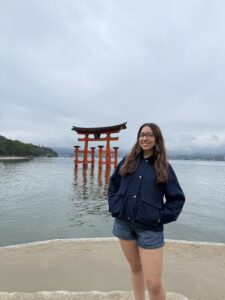
While many moments of the trip were joyful, some of the most memorable were also the most difficult. Our visit to Hiroshima was one of those experiences.
Before traveling to Japan, I already knew the basic history surrounding the atomic bombing of Hiroshima. However, learning about an event in a classroom is very different from standing in the city where it happened. Walking through the museum and reading the stories of victims transformed historical facts into human experiences. The artifacts, photographs and personal testimonies revealed the devastating reality of what occurred on Aug. 6, 1945.
What affected me most were the stories of ordinary people whose lives ended in an instant. Entire families and bloodlines disappeared. Reading those testimonies was heartbreaking, but it also reinforced why preserving history matters. The visit reminded me of the devastating consequences of nuclear warfare and the importance of working toward a more peaceful future. Hiroshima was not simply a history lesson; it was a powerful reminder of our shared humanity.
Academically, this program helped me become a stronger writer. One of my goals before traveling was to improve my portfolio and gain more confidence in my abilities. Throughout the trip, I had the opportunity to write stories while actively experiencing the places I was covering. Writing on the go challenged me to think critically, observe carefully and find compelling stories in everyday moments.
Unexpectedly, the experience also reignited my love for writing.
When I was younger, I wrote because it was fun. Over time, academic pressures made me overthink every sentence. During this program, I found myself enjoying the process again. I learned to trust my instincts more and to have confidence in my voice. While I still have plenty to learn, this experience helped me realize that I am a capable writer.
Personally, the most important lesson I learned was that I deserve the opportunities I earn.
For much of my life, anxiety has convinced me that I am not good enough. Before this trip, I nearly talked myself out of being excited because I had convinced myself that I did not belong. Japan challenged that belief. I know I belonged there.
I worked hard for that opportunity. I completed the application. I pursued scholarships. I prepared for the trip. I showed up. The experience forced me to recognize that I am more than a ball of withering anxiety and self-doubt.
I am capable, deserving and resilient.
The trip also reminded me how fortunate I am to have such an incredible support system. My family and friends encouraged me throughout the entire process, from the moment I applied until the day I returned home. Their support gave me the courage to take a chance on myself.
As the program comes to an end, I can confidently say that it meant more to me than I ever expected.
I met talented classmates who became genuine friends. I learned from my incredible professors, Gilbert D. Martinez and Sara Shields, whose mentorship and guidance made this experience even more meaningful. I explored historic sites, learned about Japanese culture and gained a deeper understanding of people whose lives are very different from my own.
At the same time, I discovered how much we all have in common. Traveling across the world showed me that although people may live differently, speak different languages and come from different backgrounds, we are all connected by our shared humanity.
Professionally, this program has given me valuable experience that will strengthen my resume and portfolio. I now have published work that I can share with future employers, along with stronger reporting, writing and communication skills. More importantly, the program gave me a glimpse into the kind of career I hope to build.
I want a career that excites me. I want to create meaningful work, tell important stories and continue learning about the world around me. During this program, I was able to produce content while genuinely enjoying the process. That realization gave me confidence that a fulfilling career is possible.
When I boarded the plane to Japan, I carried anxiety, fear and self-doubt with me. When I returned home, I brought back friendships, memories, professional experience and a stronger belief in myself.
The greatest thing I gained from Japan was not a byline, a photograph or a passport stamp. It was the understanding that I belong in the spaces I once thought were beyond my reach.
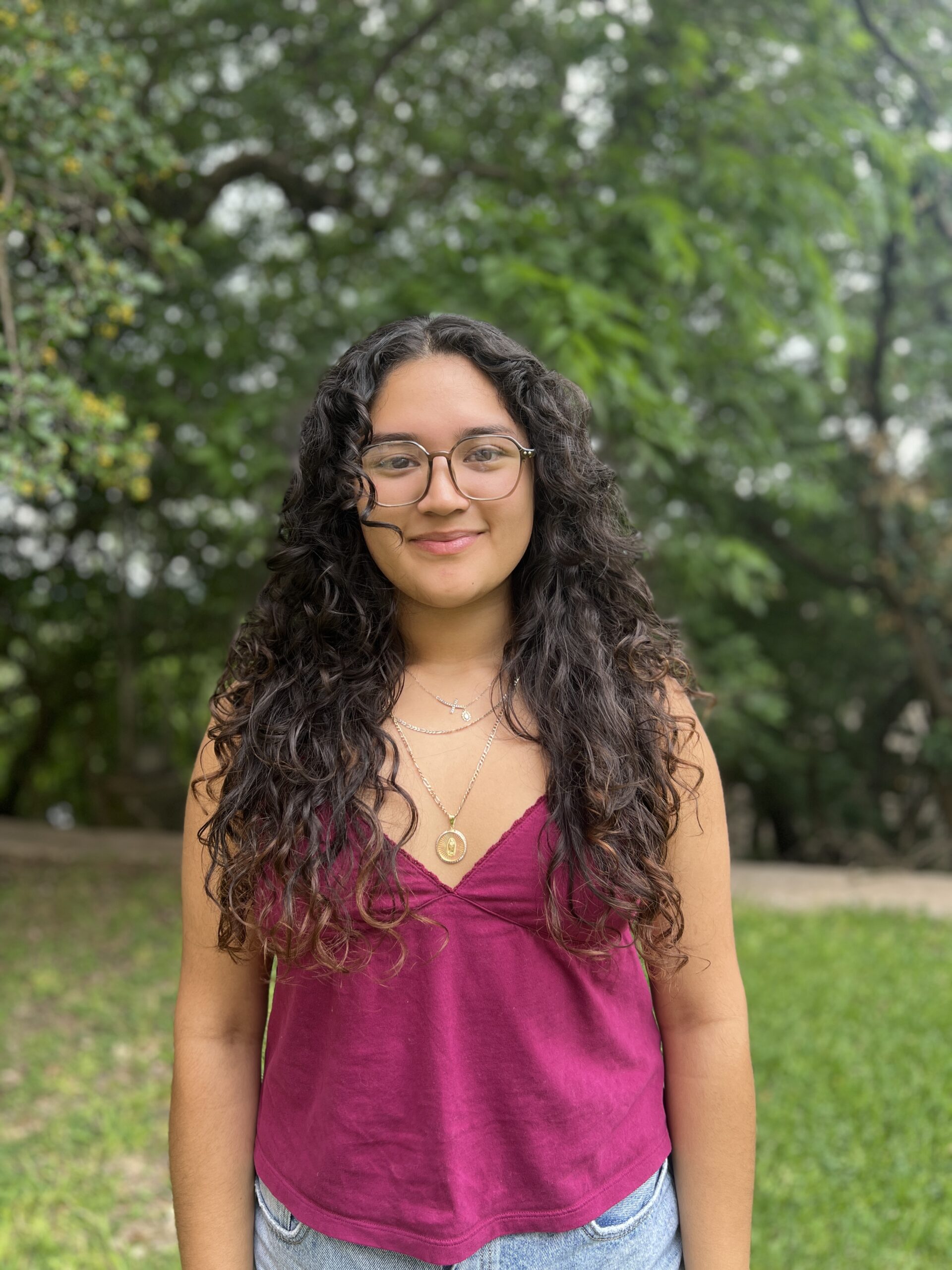
About The Author