Walking through the streets of Asakusa, visitors might find themselves disoriented as GPS signals bounce unpredictably between tall buildings. One traveler experienced exactly that, until a man dressed as a ninja sprinted past, weaving effortlessly through the crowd before disappearing into a small storefront. That unexpected moment revealed the destination: the Samurai Ninja Museum Interactive Experience, a fittingly dramatic entrance for a place dedicated to Japan’s legendary warriors.
Located in Asakusa, Tokyo, the museum offers a short but engaging journey into the history of Japan’s warrior culture. The guided tour, the main highlight of the experience, was led by Akira, who shared his knowledge with a mix of expertise and humor.

The tour brings visitors through three different rooms. The first provides a brief introduction to the rise of the first shogun, the shifting political influence of the emperor and the system of succession that shaped Japan’s feudal era.
The second room displays a collection of katanas and other traditional weapons. Akira talked about the history of Japan’s conflict with other nations and the influence that the Americans had when they arrived with their weapons and opened the borders for trade. What stood out was how the Mongols invaded twice 70 years apart, both times during typhoon season. A memorable moment was learning how shark skin was used on sword handles to prevent slipping, while older swords had simple wooden grips.
After a short explanation of blade types and what they were used for, the group moved into the final room, which was decorated with samurai armor. Visitors learned how certain designs signified rank and how boys as young as 12 years old wore masks with mustaches to appear more intimidating in battle. After a brief time learning about samurai armor, visitors were brought up to the top floor where a brief history lesson on ninja and how the tools they used were adapted from farm equipment.
Immersive experiences for all ages

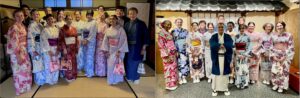
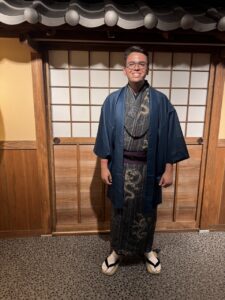
What makes this museum stand out is its interactive portion. Before the historical tour begins, guests were given the opportunity to try on full samurai armor and take photos with replica katanas. At the end of the tour, visitors can throw shuriken (ninja stars), one of the most popular activities. These hands‑on experiences are included in the basic ticket, but the museum also offers additional packages for deeper immersion.
There are several ticket options depending on the level of experience an individual is looking for:
Basic Ticket $18.88 (¥ 3,000) adults / $16.99 (¥ 2,700) children:
- Guided tour, armor try‑on, katana handling for photos, and shuriken throwing.
Ninja Experience $37.75 (¥ 6,000+):
- Full ninja costume rental, blowgun training, stealth techniques and a scavenger hunt.
Samurai Sword Experience $50.34 (¥ 8,000+):
- Traditional hakama clothing, hands‑on katana handling and real sword cutting (tameshigiri).
Booking online provides a 10% discount, making it a convenient option for travelers and you can find that all at Samurai Ninja Museum.
Depending on the package, the experience can last anywhere from 20 minutes to two hours, making it flexible for any schedule. The museum is suitable for all ages and appeals to anyone interested in Japanese culture.
As the tour concluded, Akira shared a memorable quote with guests: “We are all samurai.” The phrase reflects the idea that values such as discipline, courage and honor still matter today, even in an ever‑changing world.
Returning to the bright, busy streets of Asakusa, visitors leave with a deeper understanding of Japan’s history and culture. The combination of storytelling and hands-on activities offers a clear look at samurai and ninja traditions, separating historical fact from modern exaggeration. From the guided tour to the armor try‑on and shuriken training, the museum provides a memorable and engaging experience.
The Samurai Ninja Museum Interactive is more than a tourist attraction: it is a bridge between past and present. And sometimes, all it takes to find it is following a ninja instead of GPS.
About The Author