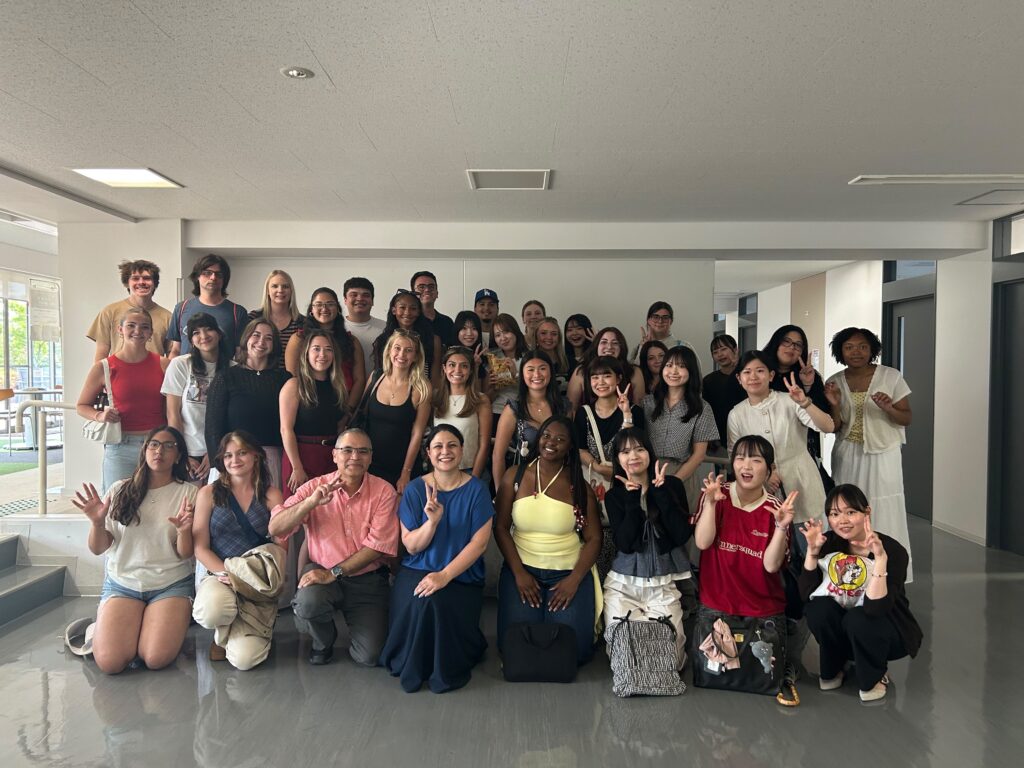
On the last full day of the SJMC Japan Education Abroad program, students would have never expected the lifelong bonds they developed during their stays in Tokyo, Hiroshima and Kyoto.
Students began the day with a visit to Doshisha Women’s College of Liberal Arts, an all-women’s Christian university in Kyoto located across the street from the historic Kyoto Imperial Palace. Before arriving, students anticipated discovering both similarities and differences between their own college experiences and life at a Japanese university.
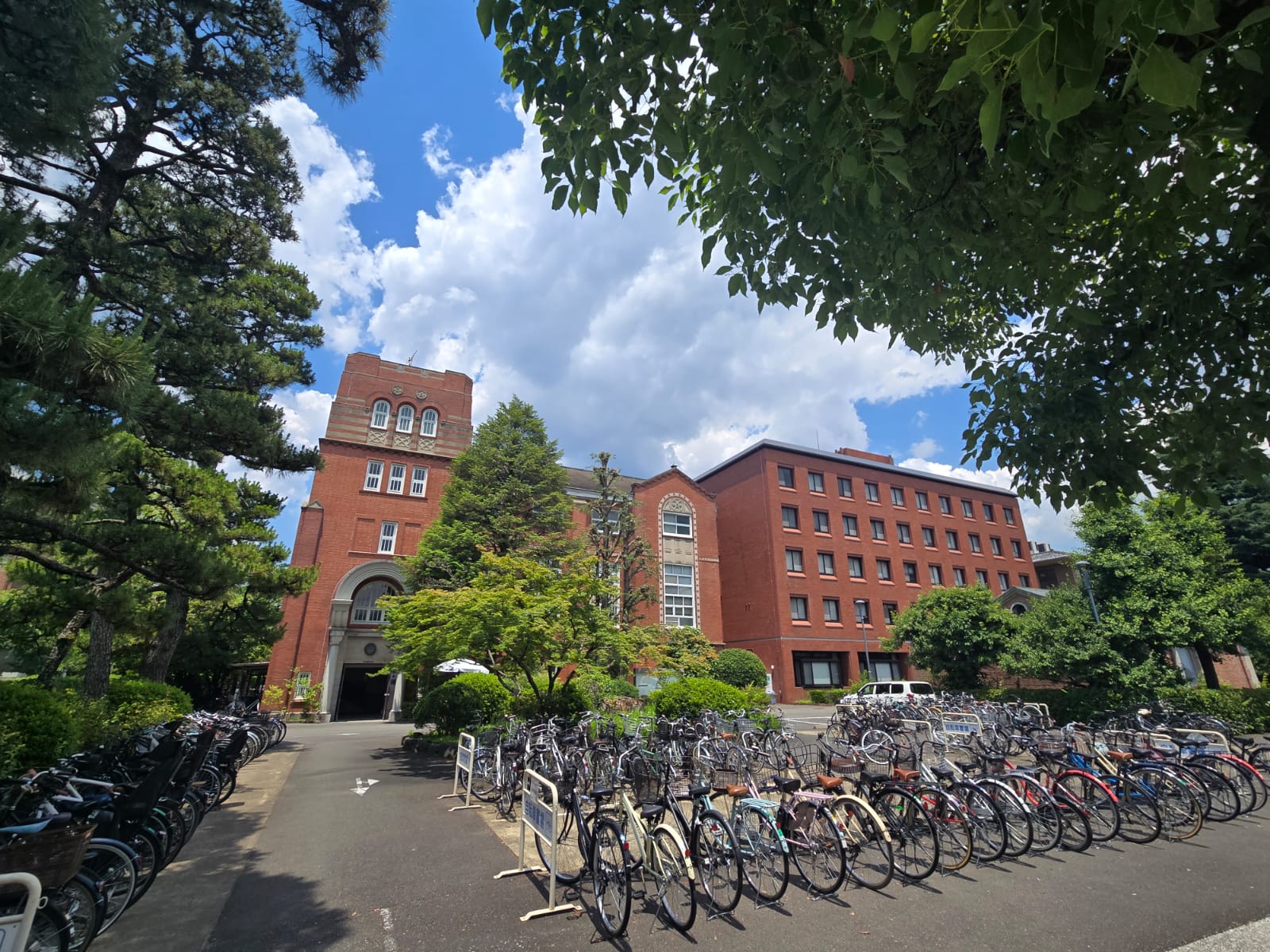
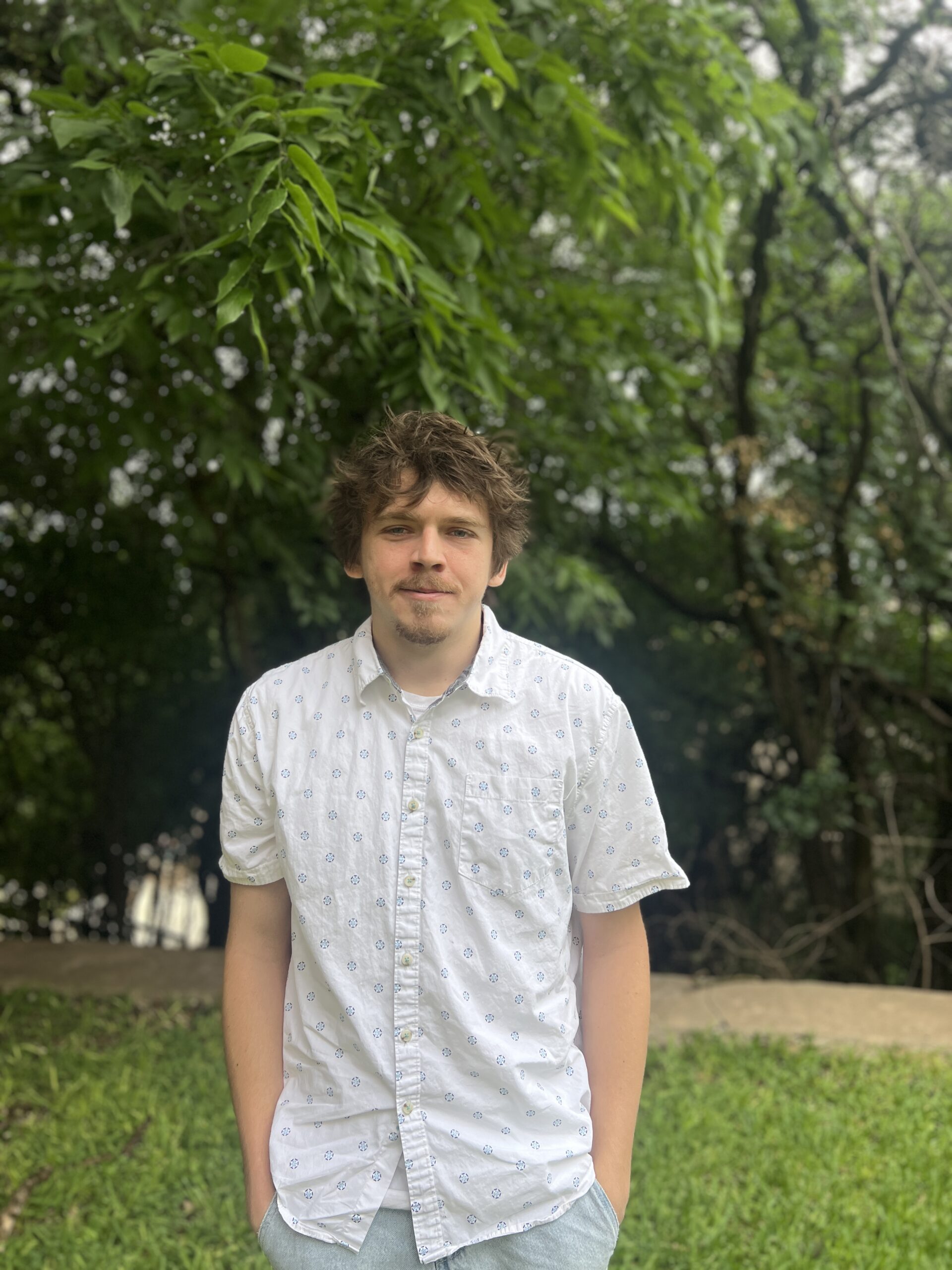
Many looked forward to engaging in meaningful conversations and exchanging cultural perspectives with local students. Journalism senior Jack Grettler shared his enthusiasm about the opportunity, eager to learn firsthand about student life and culture in Japan.
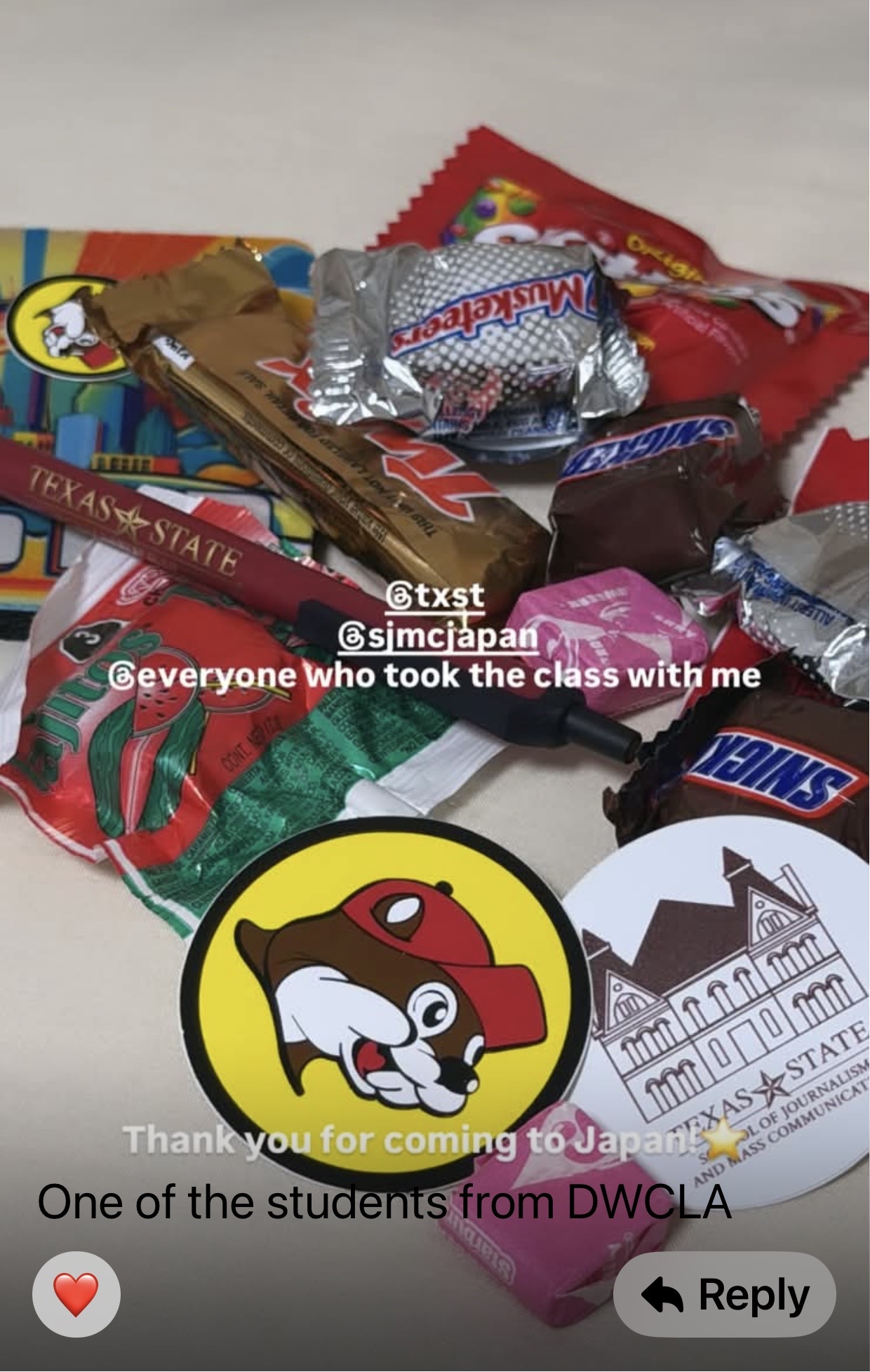
“I’m just excited to see how Japanese universities compare to American ones, and more importantly whether or not they like our candies,” Grettler said.
The group was welcomed by student tour guides Yuzuki, Mio, Mayume and their professor, Dr. Mahboubeh Rakhshandehroo, who led a tour of campus buildings that highlighted the university’s history and traditions. One of the most significant stops was a chapel building constructed in 1932. The chapel remains an important gathering place for services, ceremonies and graduation events.
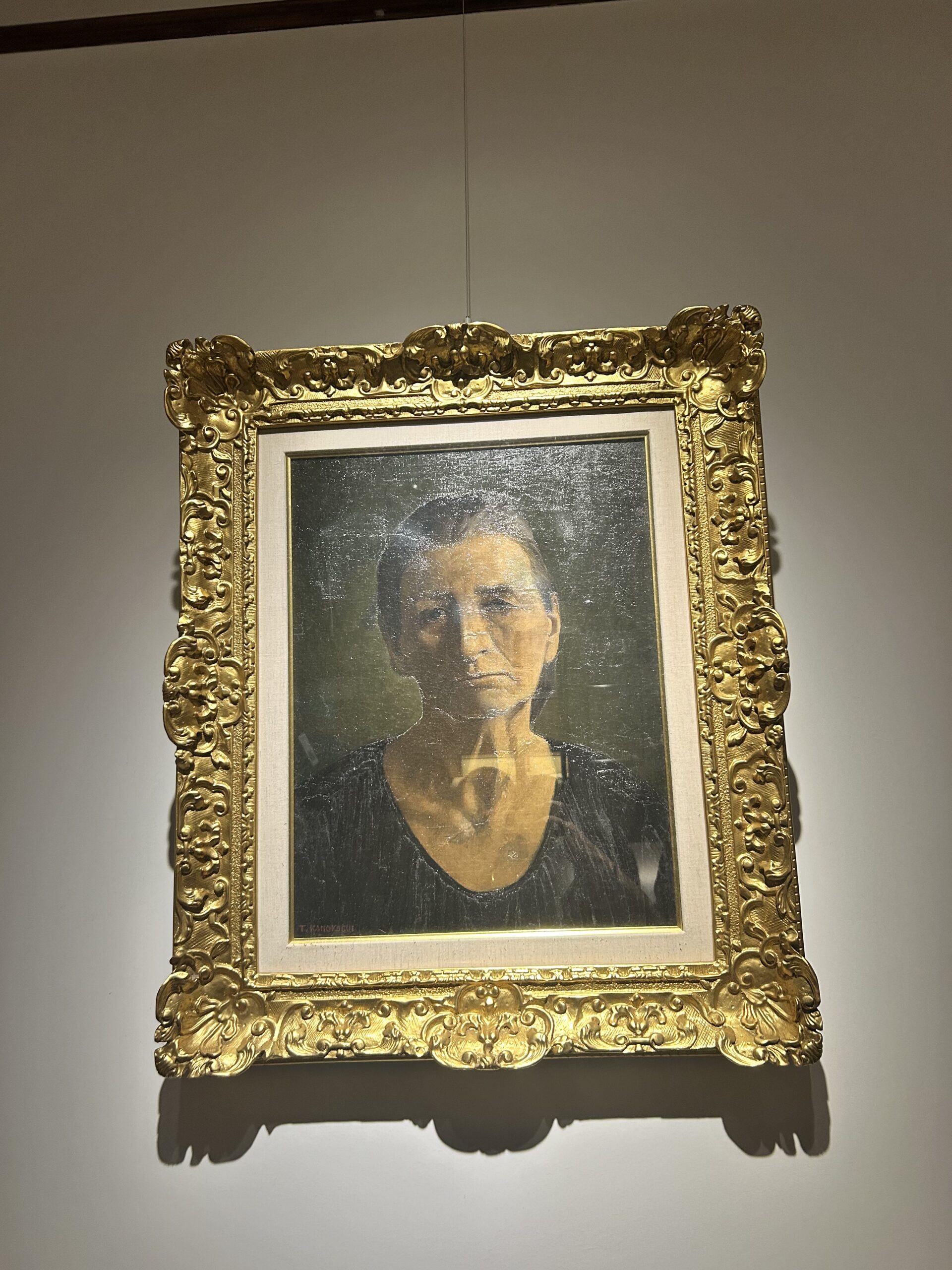
The tour continued through the university library, one of the oldest buildings on campus, dating to 1913. Students learned that the historic structure now houses second-language classrooms and a museum. Inside, they viewed exhibits highlighting the influential individuals whose vision and contributions helped make the institution and its library possible.
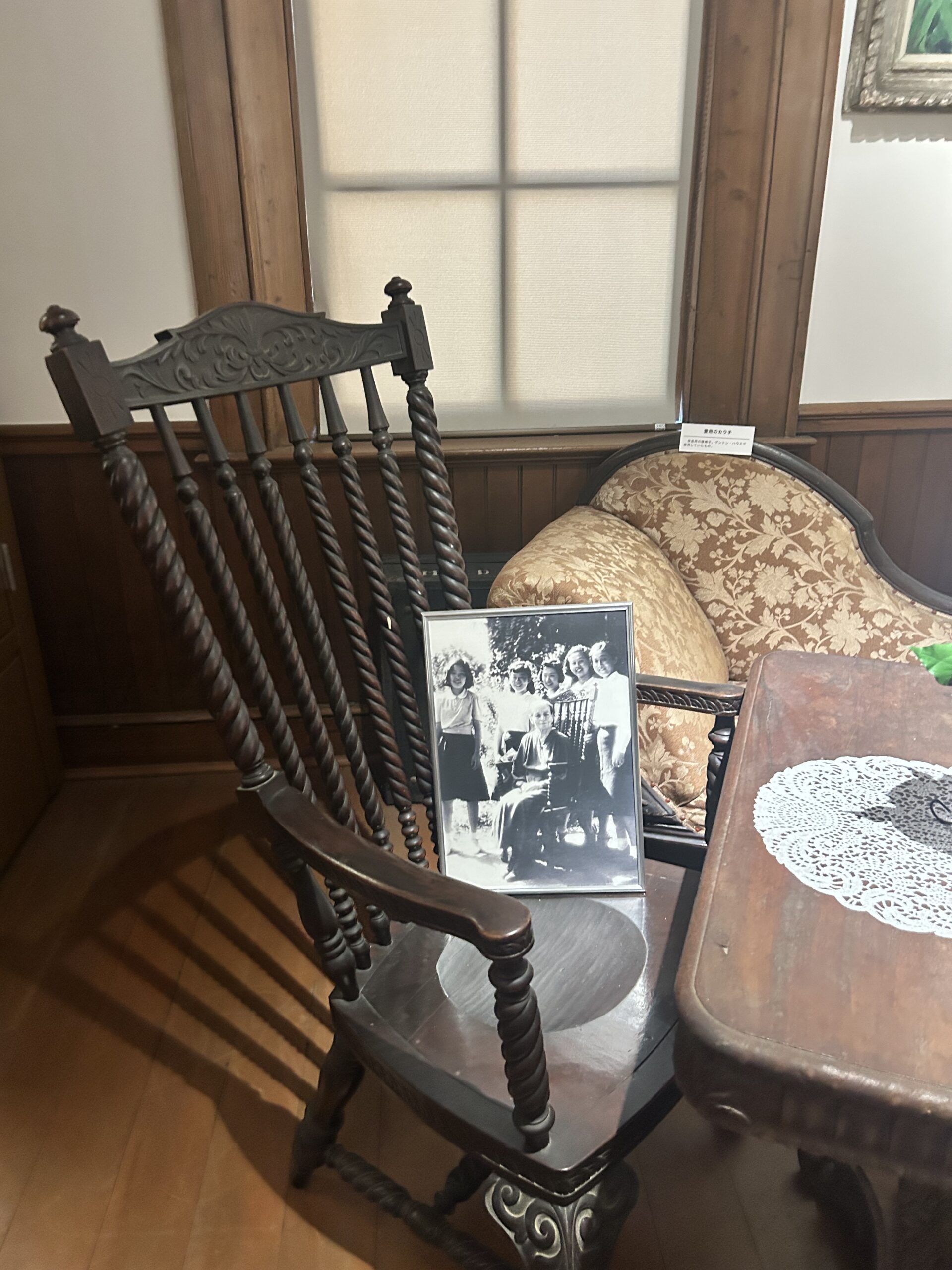
Additional stops included the university’s main academic buildings, learning commons, cafeteria and fitness facilities. The cafeteria offered affordable meals, including breakfast for only 100 yen (about 62 U.S. cents).
One of the highlights of the day was attending a senior seminar course. A ringtone signaled the start of class before students participated in an icebreaker activity. Small discussion groups paired SJMC Japan students with Japanese students to discuss cultural similarities and differences.
In one group, Doshisha seniors Reiha and Riko shared details about their daily lives. Riko commutes an hour and a half by train each day, while Reiha lives alone in a nearby apartment. Both hoped to become flight attendants after graduation.
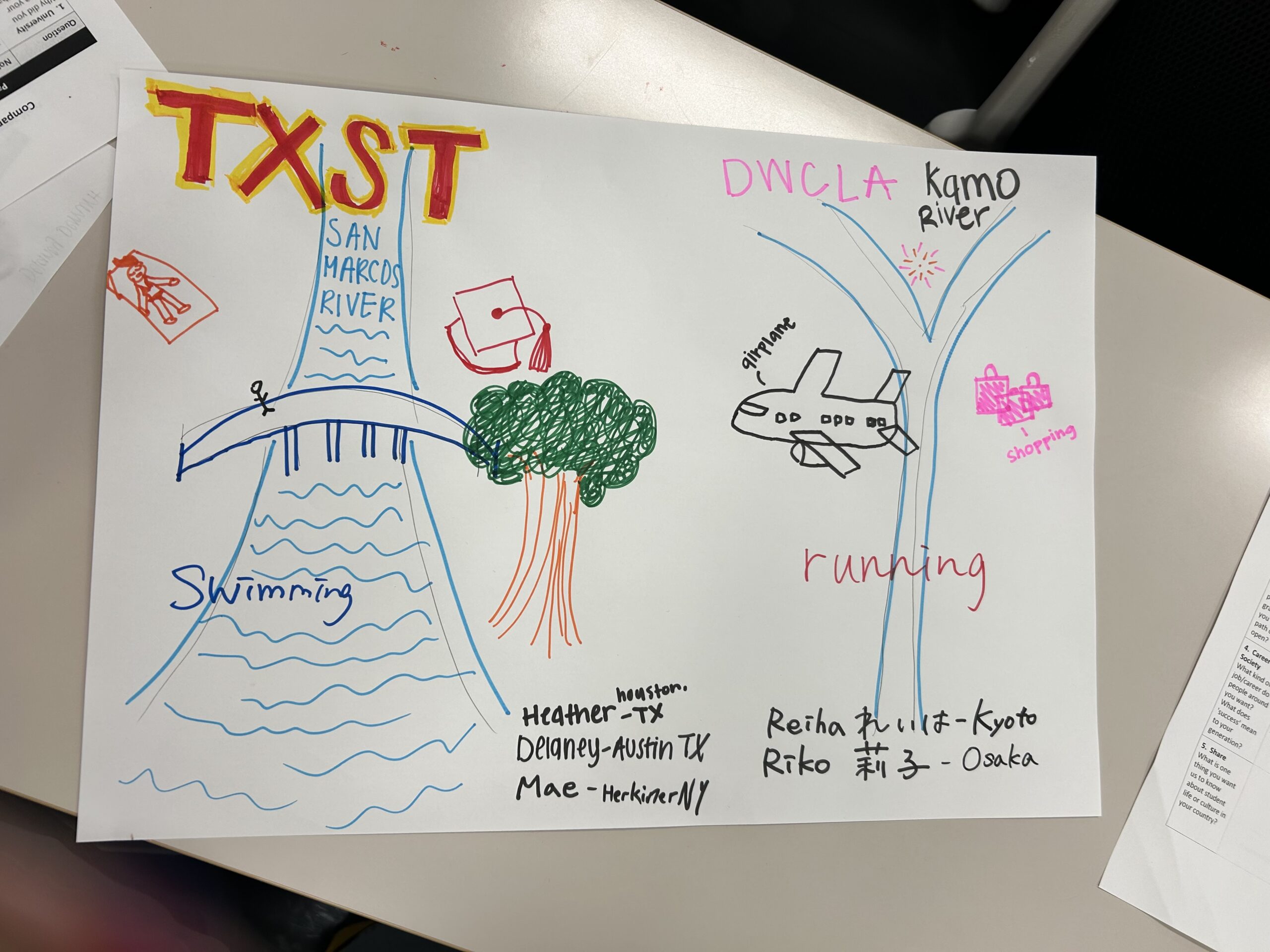

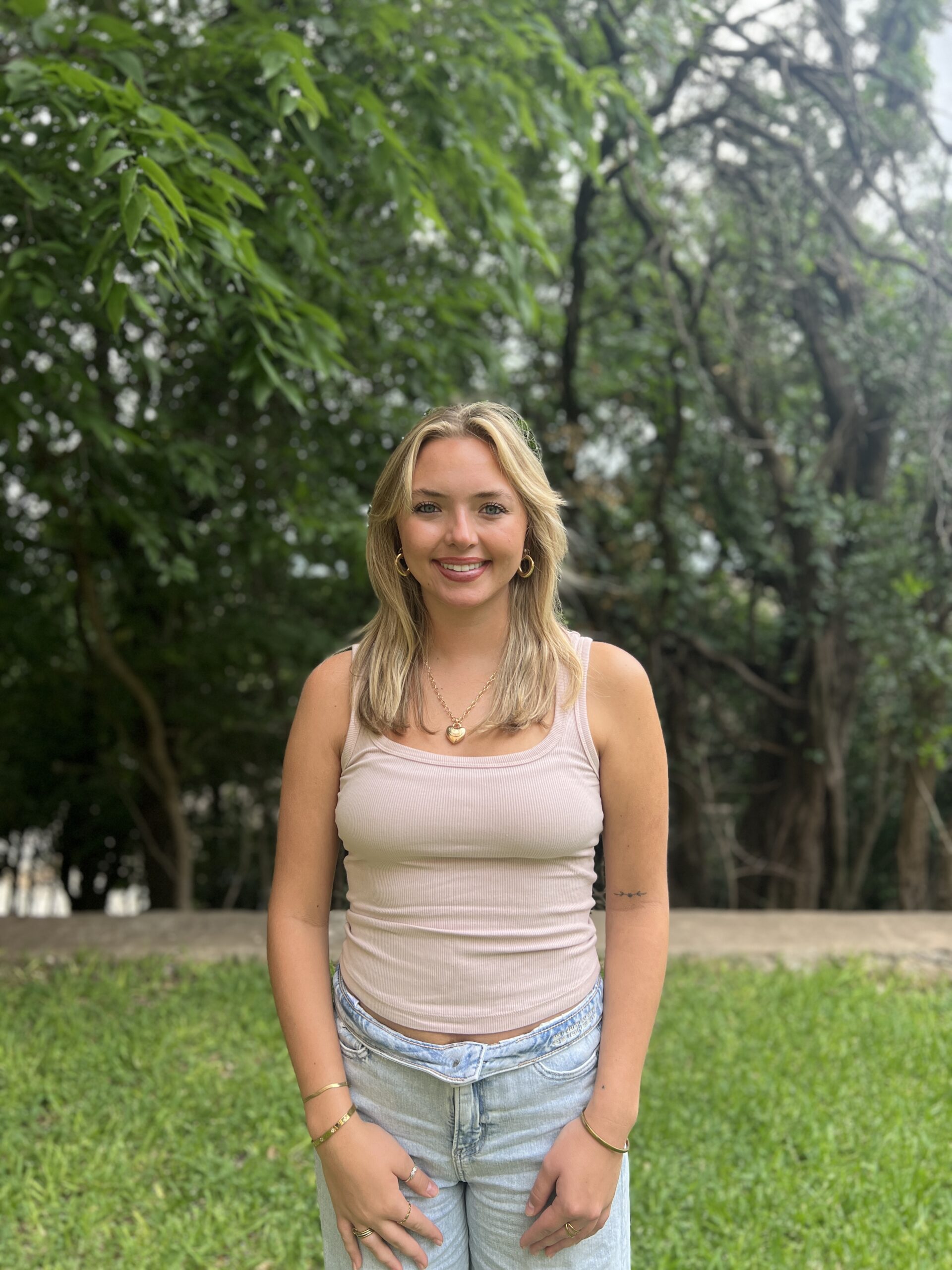
Students worked together to create posters summarizing their discussions with the Japanese students. Digital media innovation senior Caydn Perkins said one memorable moment came from handing out colorful Texas State-themed bracelets she made herself for the students.
“It was really exciting seeing their reaction, and some of them asked for a picture after,” Perkins said.
Later in the day, the group visited Fushimi Inari Taisha, one of Japan’s most famous shrines and the head shrine of more than 32,000 Inari shrines across the country. Known as a place of prayer, the shrine is famous for its thousands of bright vermilion torii gates. Students learned that approximately 10,000 gates line the pathways leading through the shrine grounds.
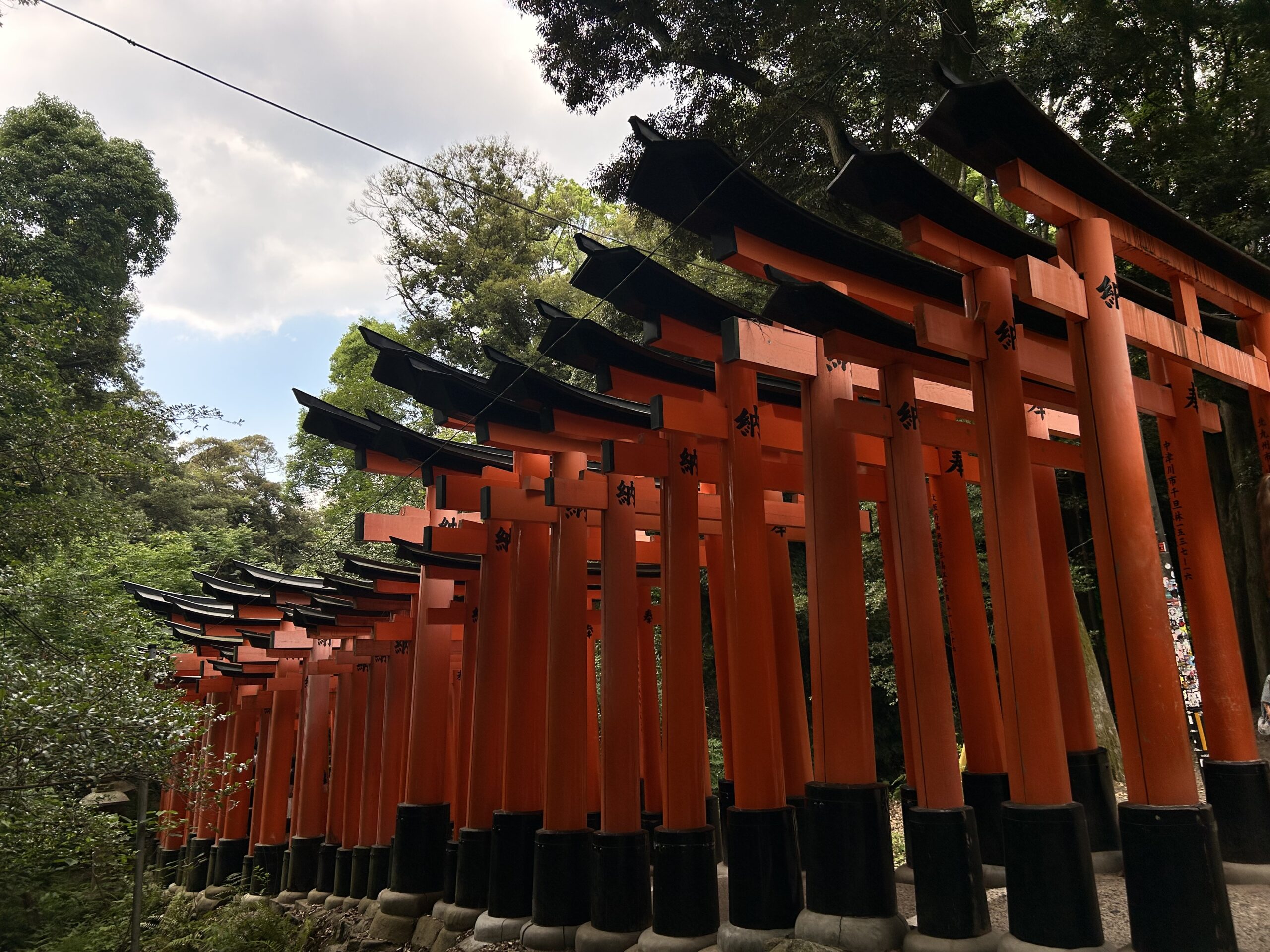
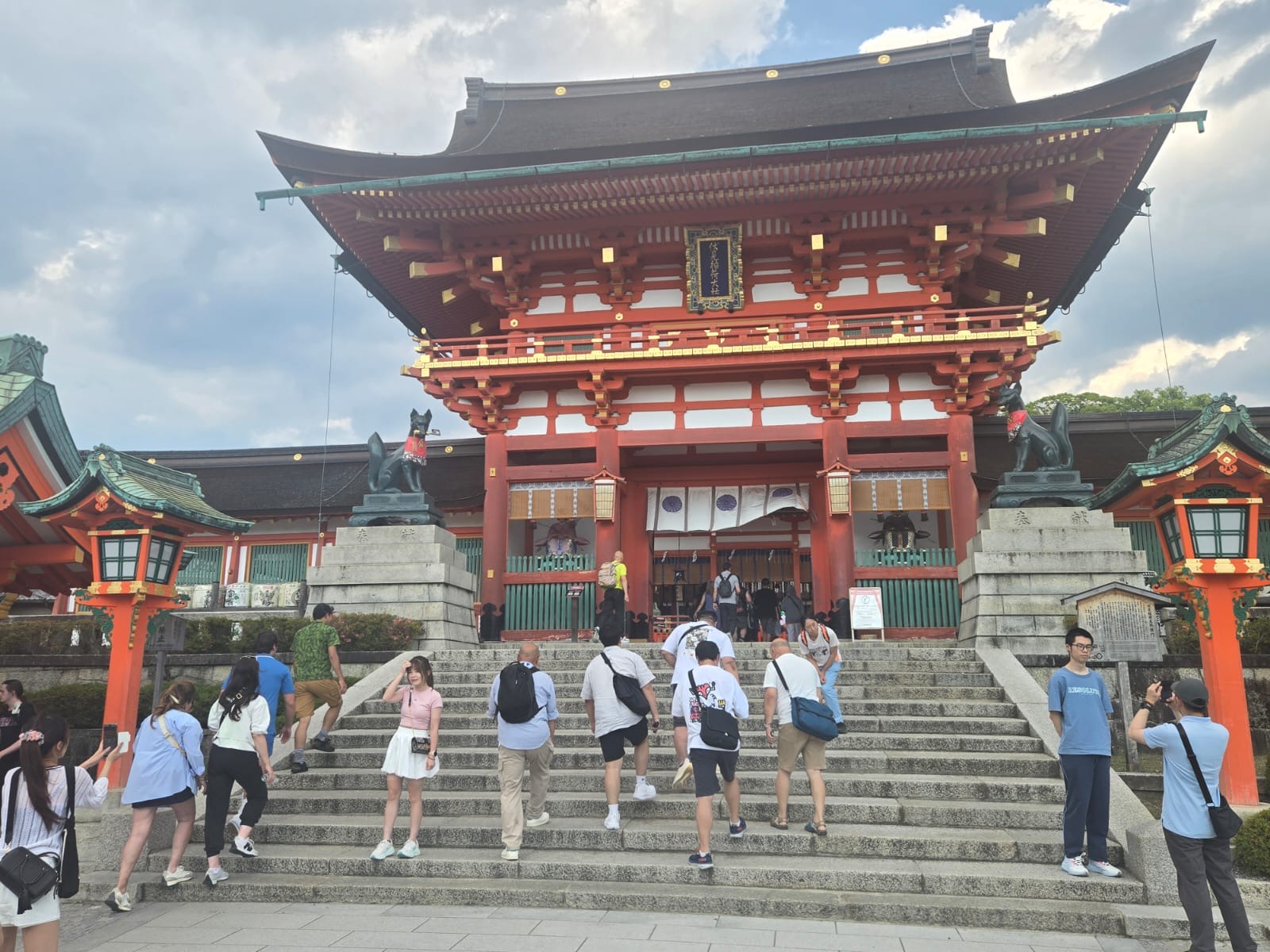
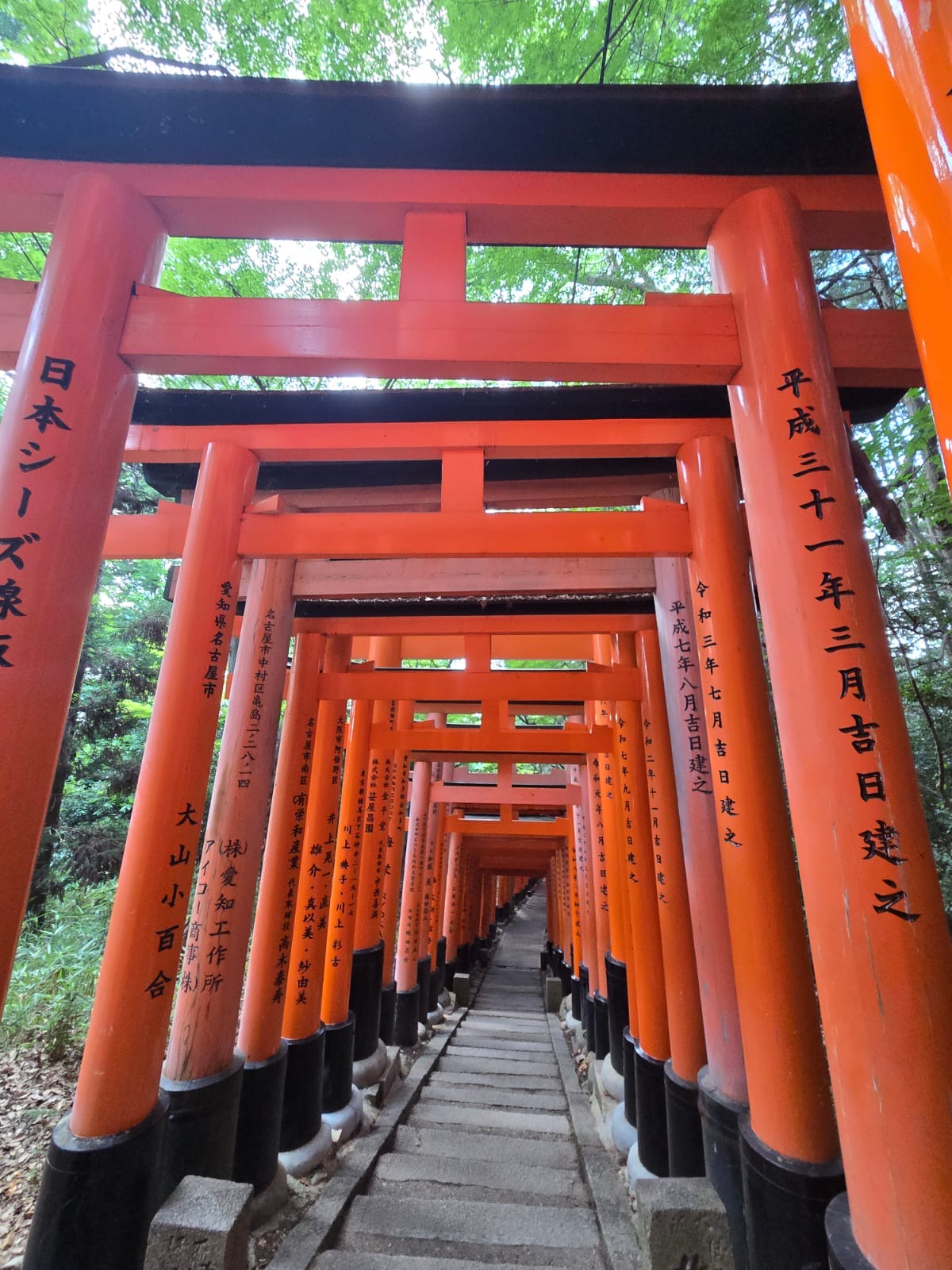
As the group explored the site, they reflected on the history and significance of the shrine. Digital media junior Kennedy Jacquet noted that one of the most surprising aspects was the large-scale community support behind the gates.
“I find it very interesting that the Buddhist community was able to come together… (for) this shrine,” Jacquet said.
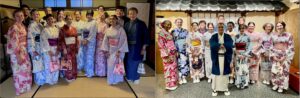
The SJMC Japan 13-day program concluded with a farewell dinner at Imomatsu Kitabekkan, where students gathered to celebrate their accomplishments and reflect on their experiences. Over a delicious multi-course meal, laughter and conversation filled the room as students shared memories from their time exploring Japan, learning about its culture and building friendships.
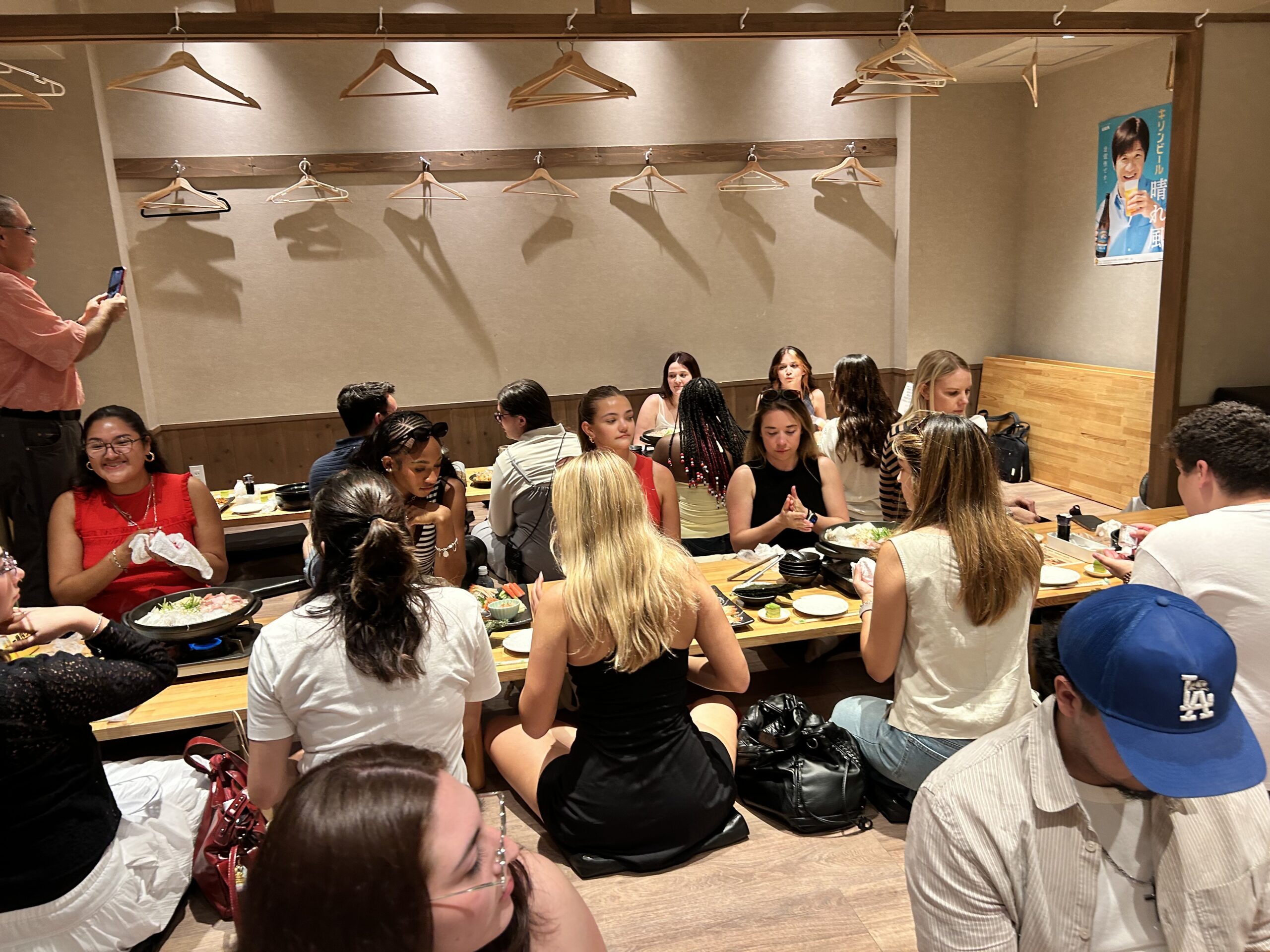
Professor of Instruction Gilbert D. Martinez and Associate Professor of Instruction Sara Shields expressed their appreciation for the students, noting that the success of the program depended on participants who embraced new experiences and contributed to the group. They also recognized graduate program assistant Erika Costello, tour guide Michio-san and Asia-Pacific Academic program director Zoe Gu for their dedication and support, which helped make the program possible.
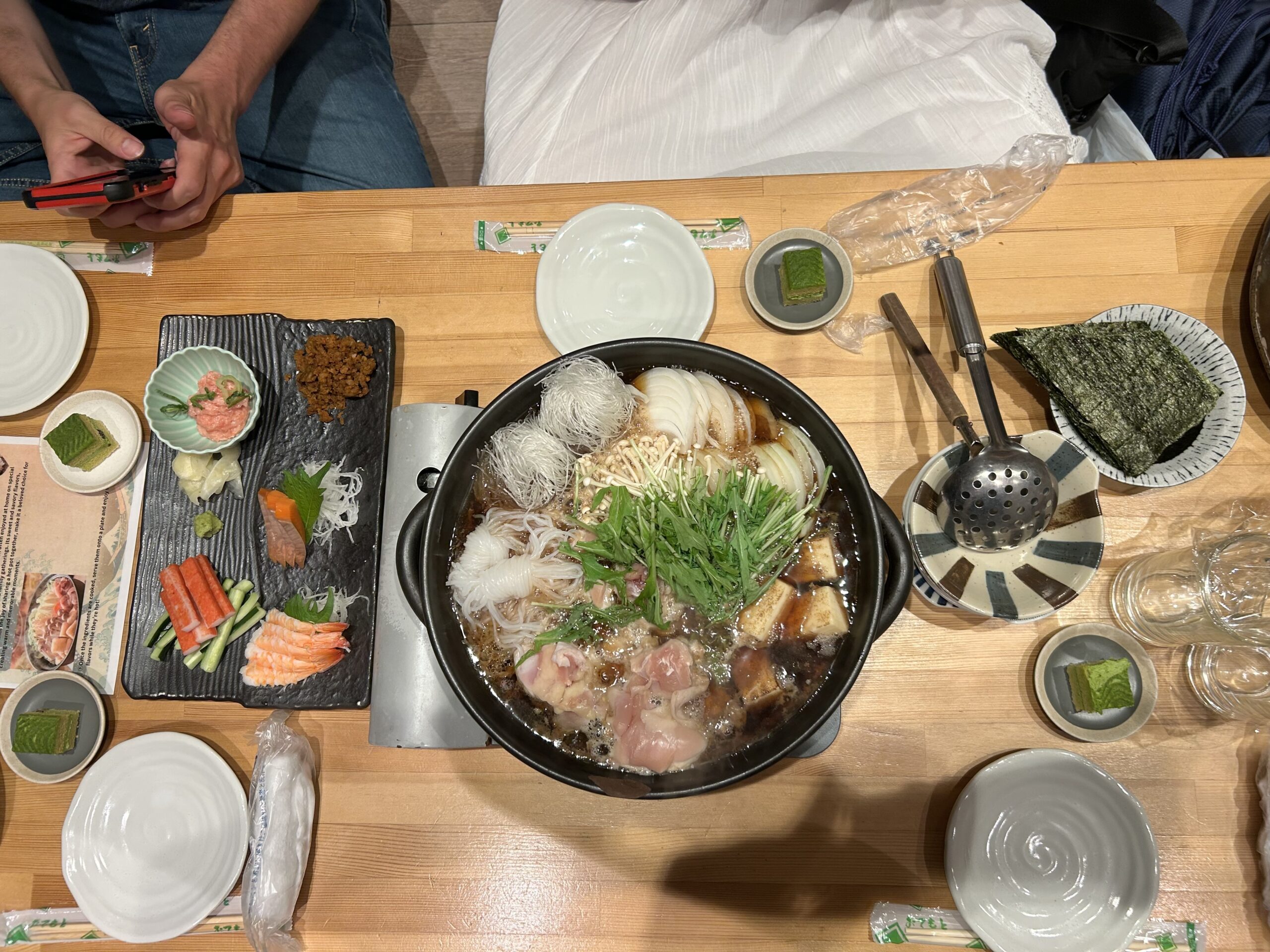
The evening served as both a celebration and a farewell, giving students an opportunity to reflect on the growth, memories and connections they made throughout the trip.
As students packed their luggage on their last night in Kyoto, most were getting ready to return home on Saturday while a few were extending their stays in Japan and South Korea.
About The Author