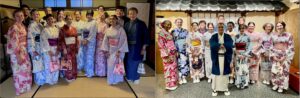
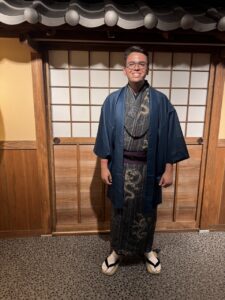
With the SJMC Japan students’ time in Kyoto coming to a close, they visited the iconic Kinkaku-ji Temple and took part in a traditional Japanese tea ceremony while wearing colorful kimonos.
SJMC Japan students first visited Kinkaku-ji, a national treasure and one of Kyoto’s most famous and historical landmarks. The temple was built in 1397 by the third shogun, Ashikaga Yoshimitsu. Due to arson, it was destroyed in 1950; then five years later, it was rebuilt to its former glory.
Officially known as Rokuon-ji, it is commonly called the Temple of the Golden Pavilion because of the stunning upper floors covered in gold leaf. Students connected with this temple in real-time, appreciating the sheer beauty and atmosphere that it had to offer. Journalism senior Jack Grettler expressed his shock at its dignified gold presence.
“Seeing the golden temple was a really good experience,” Grettler said. “I was shocked; honestly, I did not think it was going to be made out of complete gold like that. Overall, while the (temple) was quick, I feel like that was definitely the main attraction and one of the favorite (temples) I’ve seen throughout the whole trip.”

As SJMC Japan students explored the grounds of Kinkaku-ji, one of the most memorable sights was the temple’s famous Mirror Pond, known as Kyōko-chi. The pond was carefully designed during the Muromachi period to reflect the brilliant gold exterior of the Golden Pavilion, creating one of Kyoto’s most iconic views. Digital media innovation junior Ellen Nash liked how different this temple was compared with other temples the group had visited.
“So far, we’ve seen the same colored (temples),” Nash said. “This in particular was made with gold leaves, which I found unique. Also, the beauty of it was so serene with luscious greenery.”
Students then said goodbye to Kinkaku-ji Temple and headed to the Kimono Tea Ceremony Maikoya in Karasuma Shijo for a traditional Japanese matcha tea ceremony.
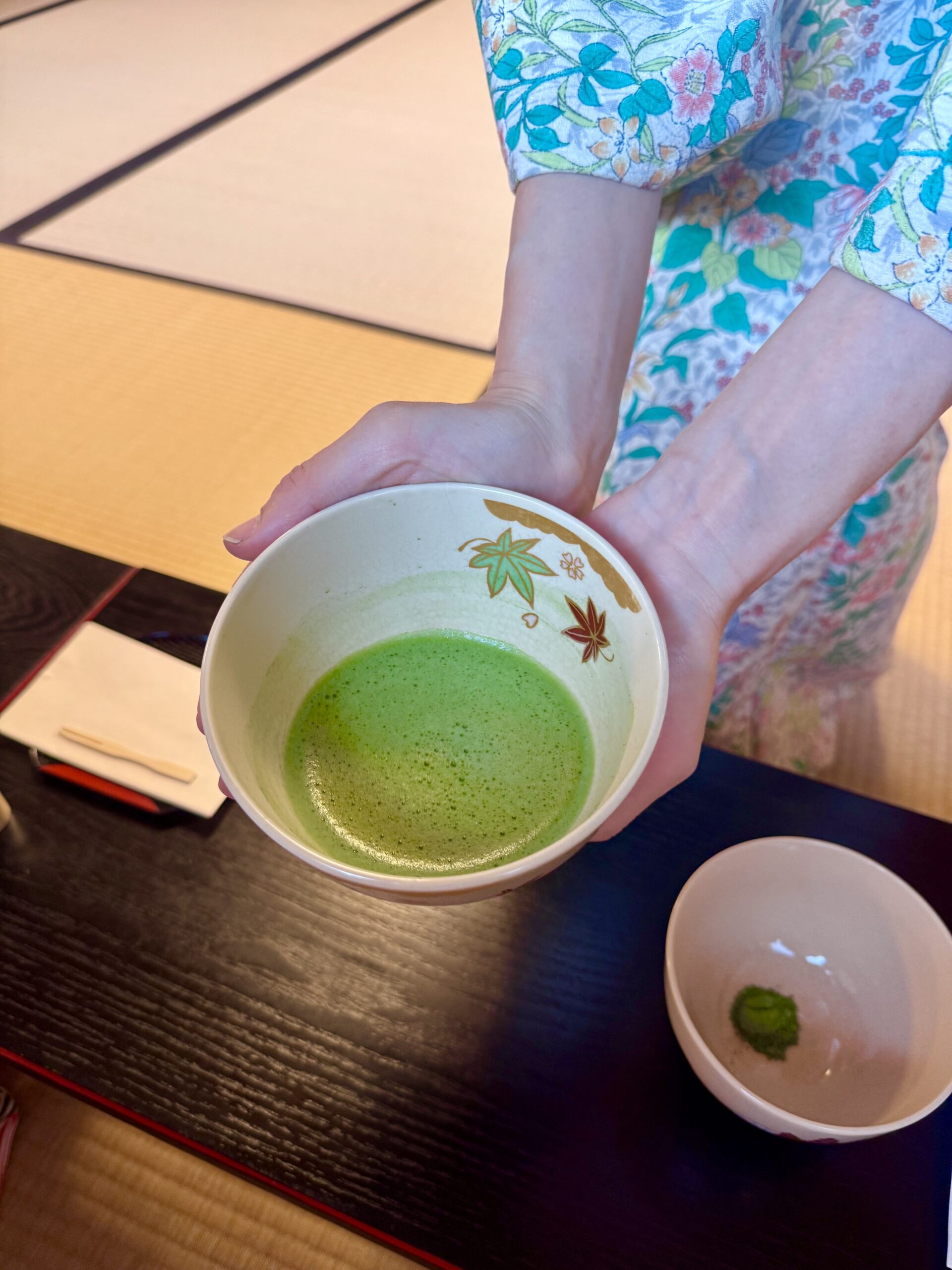
SJMC Japan students took part in the simple ceremony style known as wabi-cha, established 500 years ago after the legendary tea master Sen No Rikyū refined the ceremony and stripped it of its aristocratic customs to favor a minimalistic version.
Upon arrival, students were greeted by attendants for a kimono dressing. This included a personalized hairstyle design for the women and an individual kimono fitting for all students. Staff members carefully helped each student select and put on their traditional attire, ensuring every detail was properly arranged. The experience gave students a firsthand look at the craftsmanship and cultural significance behind one of Japan’s most iconic traditions before participating in the tea ceremony.
“I felt like a pretty princess, you know, when they transform,” sophomore public relations major Isabela Escalona said. “That’s what it felt like, but it was so fun.”


Once the students were dressed and ready, they were then brought into the traditional tea ceremony room. Each group had a slightly different experience; one group sat on the tatami floors for their ceremony while the second group sat on small chairs.
The traditional Japanese tea ceremony is centered on mindfulness, respect and appreciating the present moment.
During the ceremony, students learned the concept of Ichigo Ichie, which translates to a once in a lifetime opportunity. The phrase reminds participants to cherish each moment because no gathering can ever be recreated the same way. Even if the same people meet again, the season, weather and circumstances will be different.
Rooted in Zen Buddhist philosophy, the tea ceremony is guided by four key principles: harmony (wa), respect (kei), purity (sei), and tranquility (jaku). Together, these values shape the tea ceremony experience, encouraging participants to slow down, be present and appreciate both the tea and the company around them.
Students made their own matcha and indulged in traditional summer Japanese sweets that change per season. The instructors guided students through the process of purifying and preparing the tea and emphasized the importance of the small details for the ceremony.
“I loved how intricate and detailed they were,” mass communication senior Celeste Montoya said. “Every step had a purpose, and I enjoyed that she explained everything throughout the amazing experience.”
Parting ways with the beautiful kimonos and teahouse, students enjoyed the rest of their evening peacefully after such a serene experience.
Earlier in the day, students took advantage of a free morning and explored the city of Kyoto. Many of them ventured out on their own to see what the food and shopping culture is like in Kyoto.
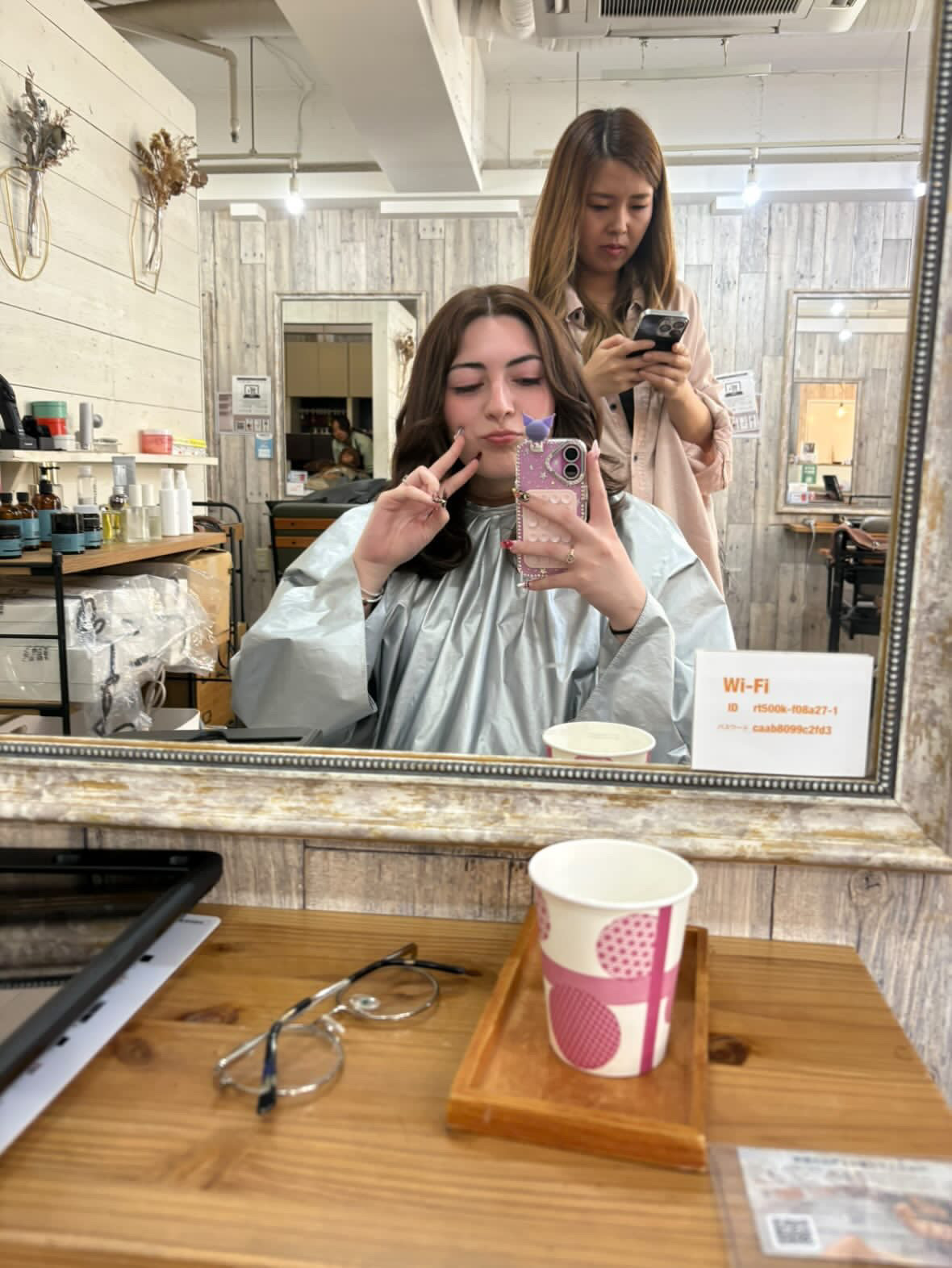
Some students even booked hair appointments, while others visited iconic Kyoto market streets to explore more of the shopping culture. Journalism and digital media innovation senior Taylor Carrasco got the opportunity to book a hair appointment at LoRE hair salon.
“It was such a fun experience because (the stylist) told me that the Japanese haircuts are a little different than overseas,” Carrasco said. “I got to tell her what exactly I wanted, and we worked on it together through Google Translate, and they were really nice and helpful.”
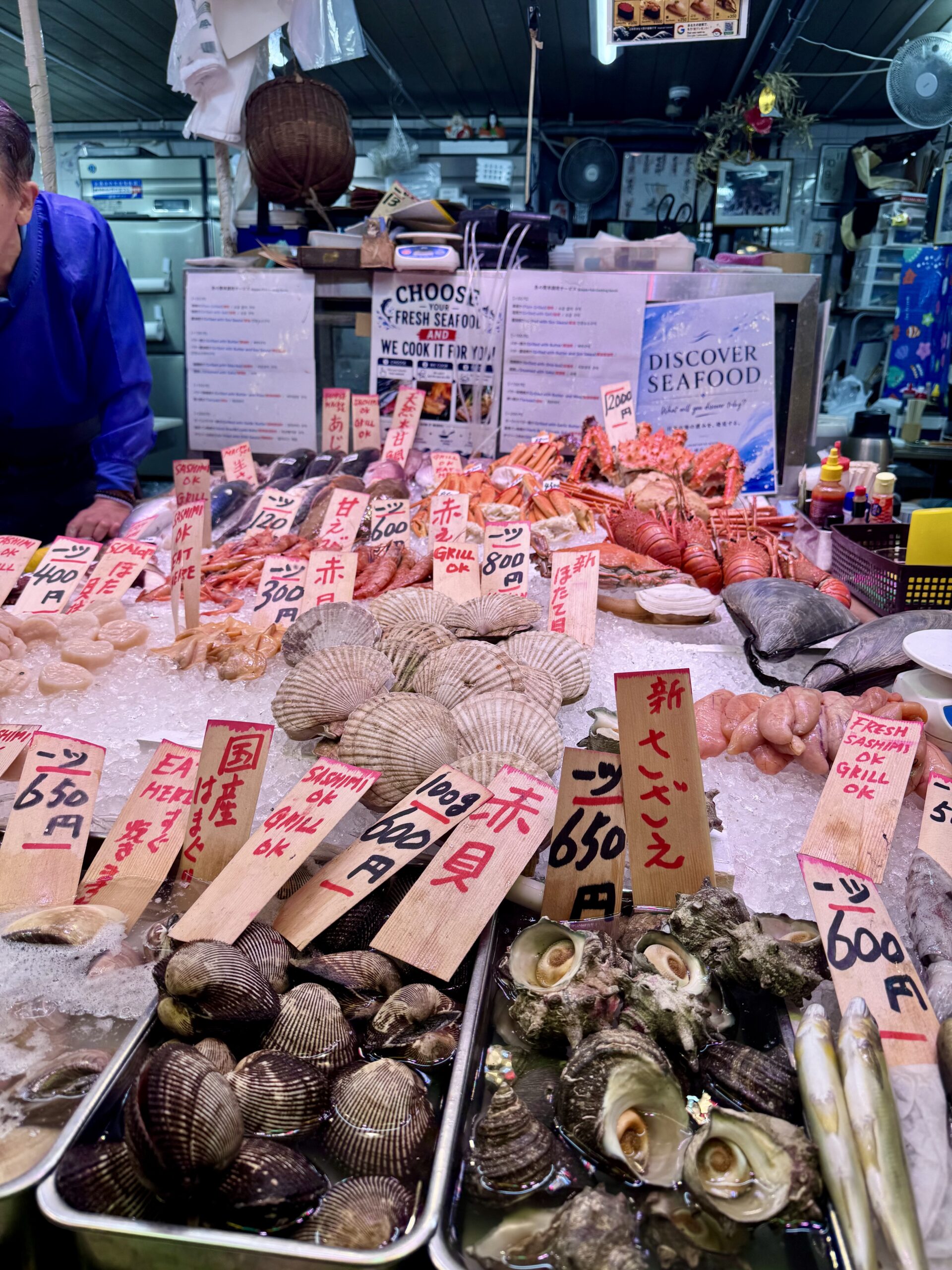
For many students, the free morning in Kyoto was the perfect opportunity to visit Nishiki Market, one of the city’s most famous destinations. Known as “Kyoto’s Kitchen,” the market stretches through downtown Kyoto and is filled with vendors selling local foods, snacks and traditional goods.
As students explored the bustling market, they experienced Kyoto’s food culture firsthand: sampling regional specialties and shopping for unique souvenirs while learning about a marketplace that has been an important part of the city since being established in 1615.
“I liked that it was like a bunch of different shops in one place,” digital media innovation senior Mia Saucedo said. “It wasn’t just food; it wasn’t just souvenirs,” Saucedo said. “It was kind of a mix of everything. Anything that you were craving, you could probably find it on the strip.”
As the second-to-last day in Kyoto came to an end, it reminded students that the SJMC Japan program was nearing its conclusion.
Resting up and preparing for their last full day in Kyoto on Friday, students are looking forward to visiting Japanese students at the Doshisha Women’s College (Imadegawa campus), the Fushimi Inari Shrine and the farewell dinner that has come far too soon.
About The Author