SJMC Japan students had an even earlier morning on Sunday because bags needed to be packed before the group could embark on their first-ever ride on the shinkansen, taking them from the bright lights of Tokyo to the history of Hiroshima.
To get to Hiroshima, students traveled aboard Nozomi Shinkansen, one of the fastest trains on Japan’s shinkansen network, reaching speeds of up to 186 mph (300 kilometers per hour).
For journalism and digital media innovation senior Taylor Carrasco, riding the shinkansen was something she looked forward to.
“The bullet train was a fun experience,” Carrasco said. “It was relaxing, and I liked that we were going (so fast). I passed the time by talking to classmates.”
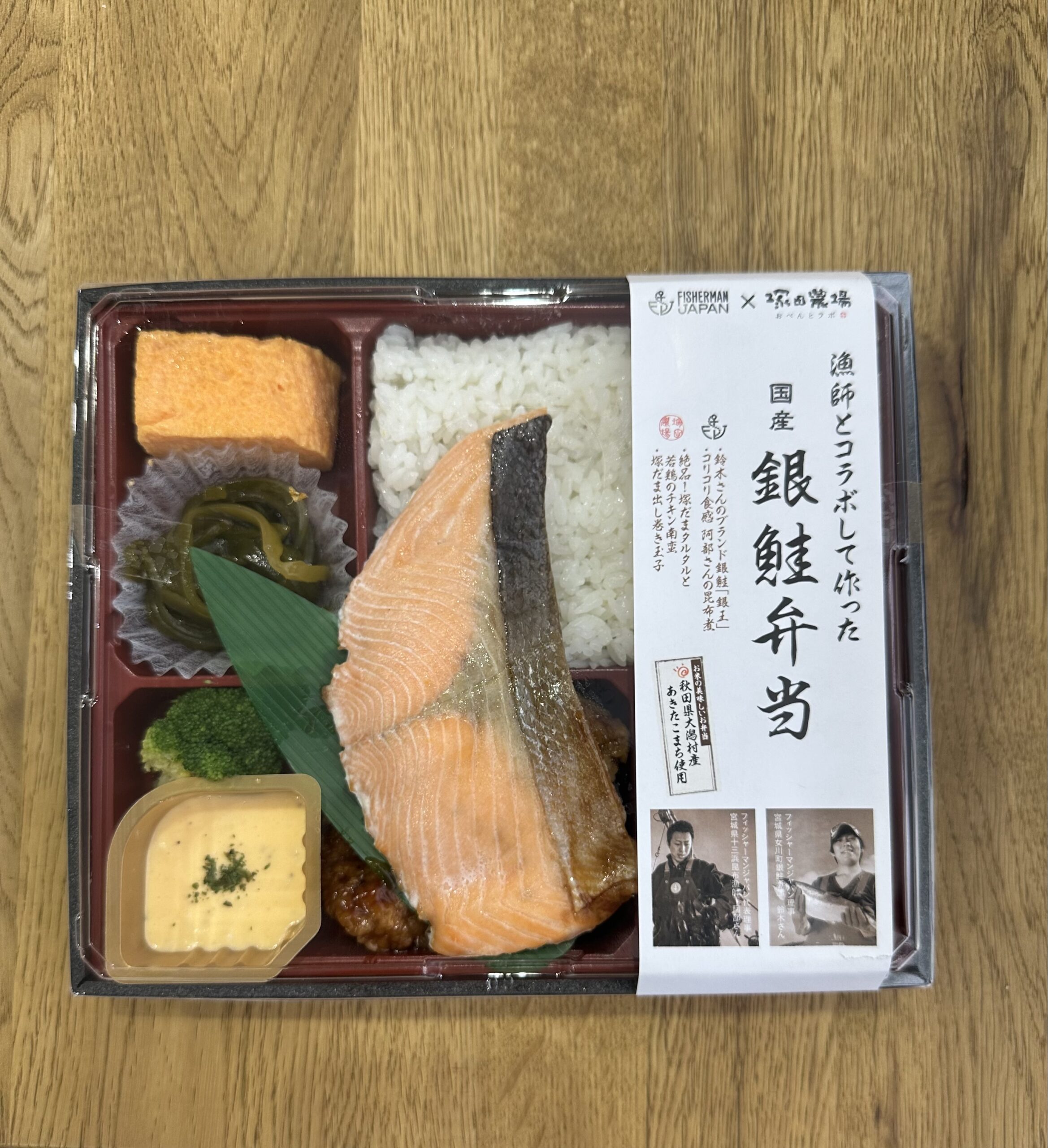
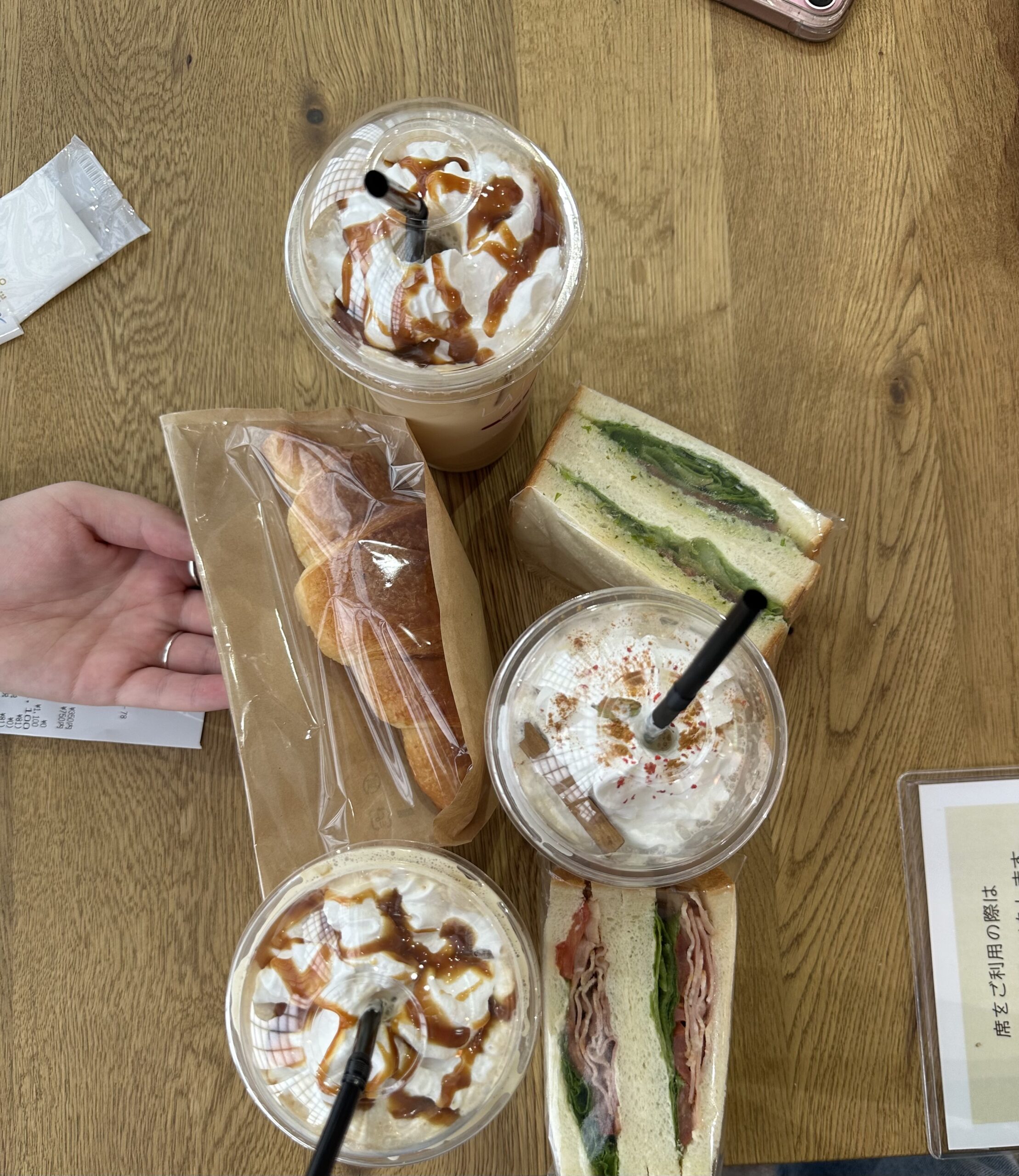
Before boarding the shinkansen, students had free time to grab breakfast and snacks for the journey. Some stopped at Caffe LAT.25° to pick up sandwiches and coffee, while others chose bento boxes and a variety of other meals from the shops inside Shinagawa Station. With food in hand, students prepared for the nearly four-hour ride to Hiroshima.
Before leaving the hotel, students had to pack a smaller bag to cover clothes and toiletries for the next three days in Hiroshima, the second stop in the SJMC Japan program. Meanwhile, using a luggage transfer service, their large suitcases would be transported directly to Kyoto, the last destination.
While in Hiroshima, they will have the opportunity to explore Shukkeien Garden, visit Miyajima Island and reflect at the Hiroshima Peace Memorial Park.
Digital media innovation junior Mae explained how she spent her time on the shinkansen working on classwork for Professor Gilbert D. Martinez’s travel writing class.
“I mostly listened to music and worked on my (Tokyo travel story),” she said.
Meanwhile, other students decided to eat their lunches that they brought on the train. Electronic media freshman Evan Luna didn’t know what he bought for lunch until he took a bite.
“I did get a sandwich that said it was pork with a secret sauce (on the wrapper),” Luna said, “and that secret sauce was peanut butter.” He didn’t care for it, but the train ride was different.
“I really enjoyed it,” he said. “It was like a train, but more relaxed.”
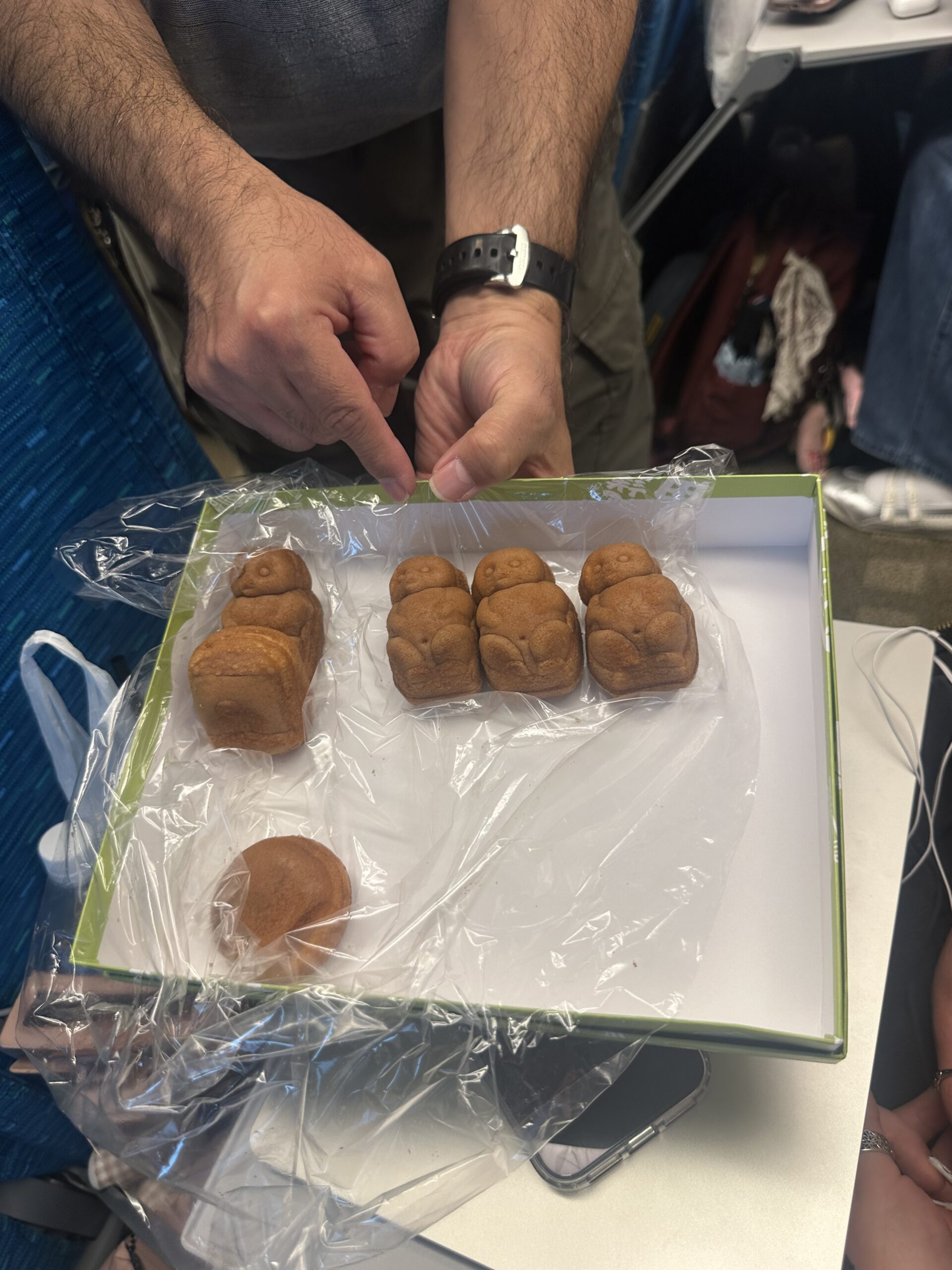
While on the train, SJMC Japan students had the opportunity to try traditional red bean paste treats gifted by Texas State University alumnus Patrick Grainger, who has been living in Japan since 2019. Known as Ningyo-yaki in Japan, it is a famous sweet originating from an area in eastern Tokyo called Ningyo-chou.

About halfway through the ride to Hiroshima, students received the news that the original plan for the day had changed due to the interior of Hiroshima Castle being closed because of structural aging and insufficient earthquake resistance. The city of Hiroshima is considering whether to renovate or rebuild the castle. Because of this schedule change, students visited Shukkeien Garden instead, just a 10-minute walk from the hotel.
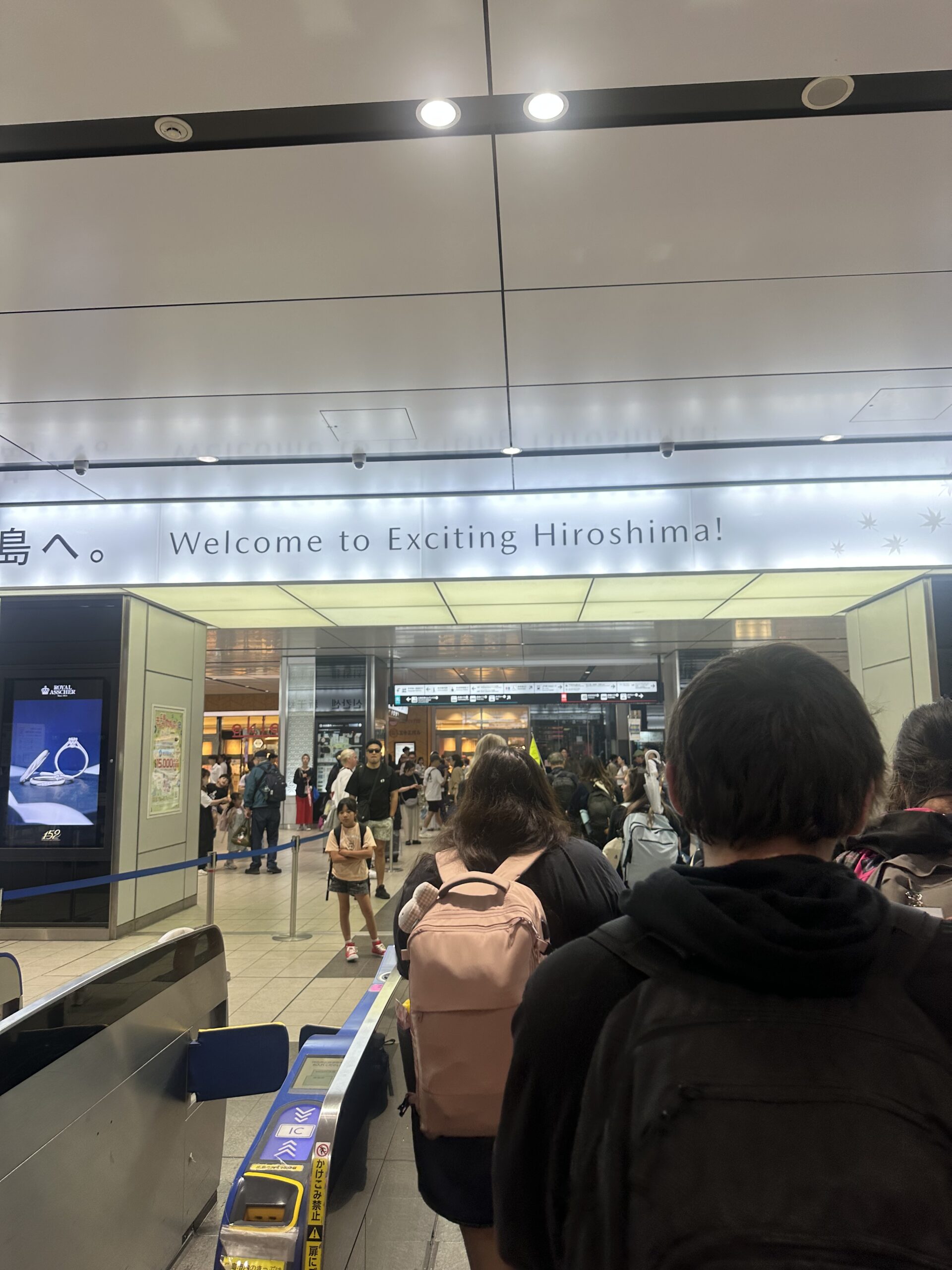
At Hiroshima Station, students were greeted with live music and a CD/vinyl sale that caught some students’ eyes as they walked past. But similar to how their journey started in Tokyo, as students stepped out of the station, they were met with steady rainfall on their walk to the Toyoko Inn, delaying their trip to Shukkeien Garden.
Students passed the time in the lobby using the rain delay to catch up on work, play on their phones and freshen up with water and soft drinks. Once the rain had slowed, students walked to Shukkeien Garden.
Shukkeien Garden is over 400 years old, built in 1620 shortly after Hiroshima Castle. In contrast to the heavily populated areas of Tokyo, the garden was quiet with only a few people around, bringing a peaceful and enjoyable experience away from the loud crowds of the big city.

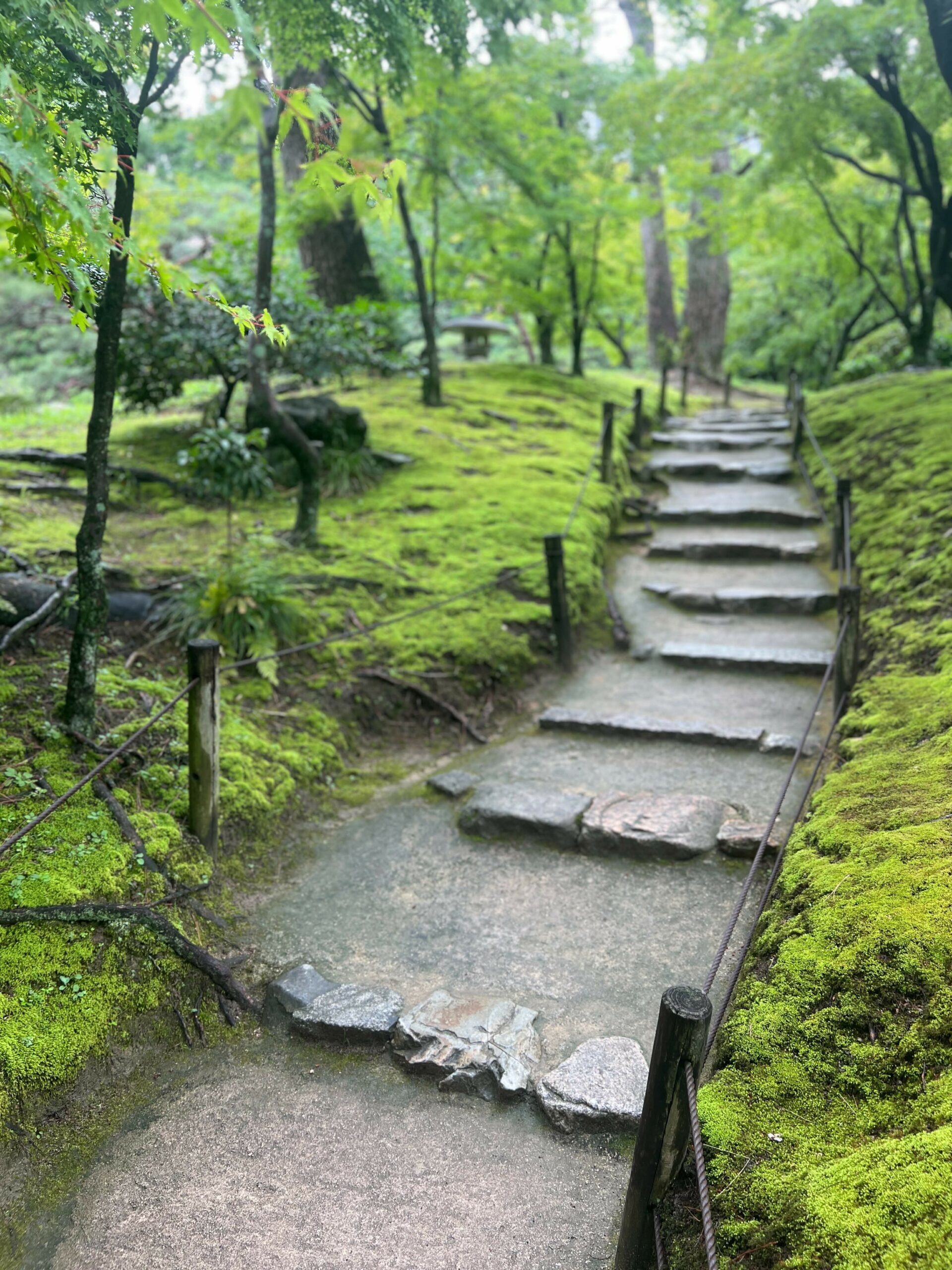
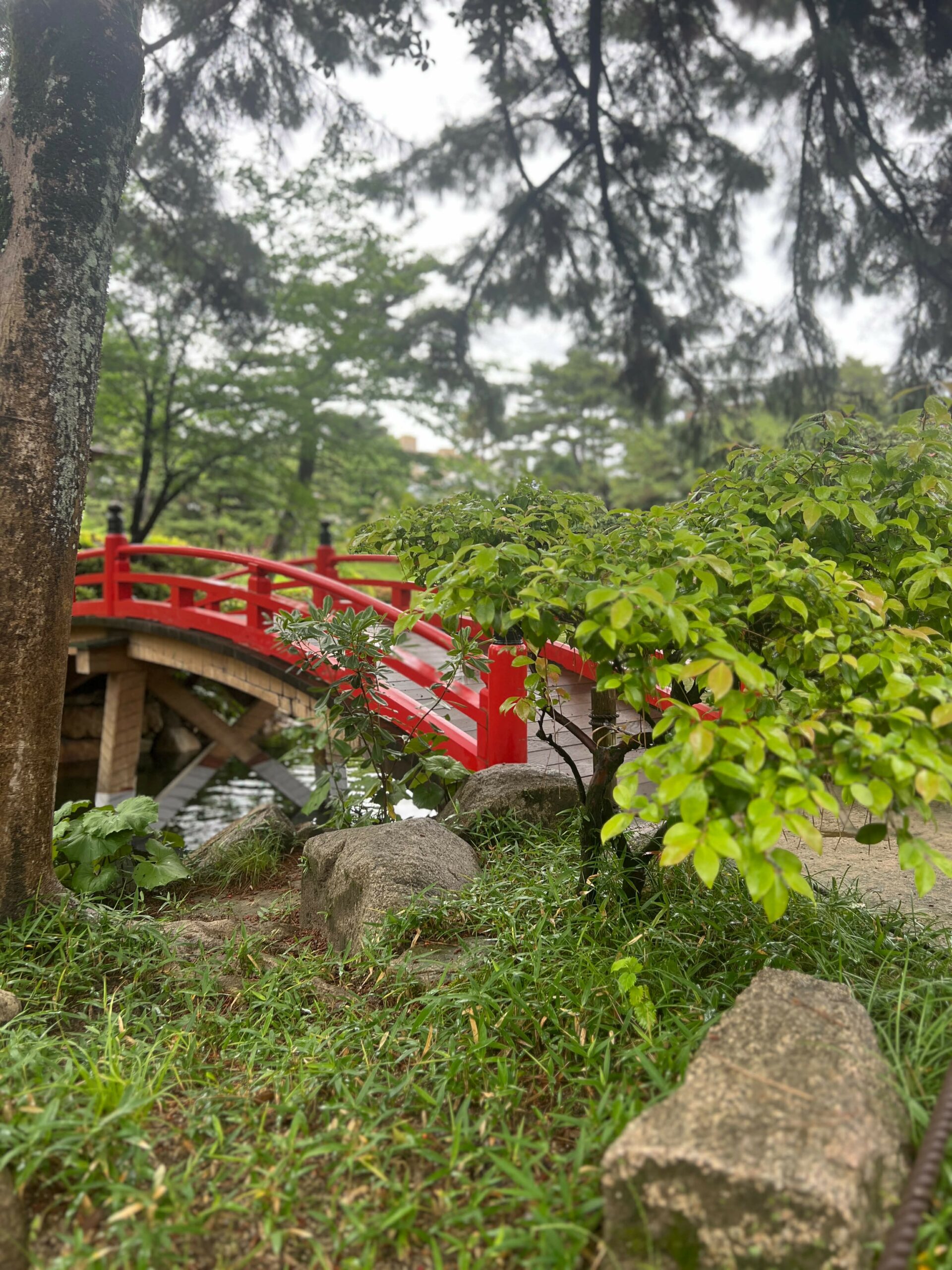
“Shukkeien” translates to “shrunken-scenery garden” in English, according to Japan Guide. This is evident in the gardens’ displays of miniature mountains, forests and valleys. These mini scenic views are all connected by a path that wraps around the pond, which sits in the center of the garden, which features a number of tea houses around the pond, giving visitors the best vantage points to see the garden.
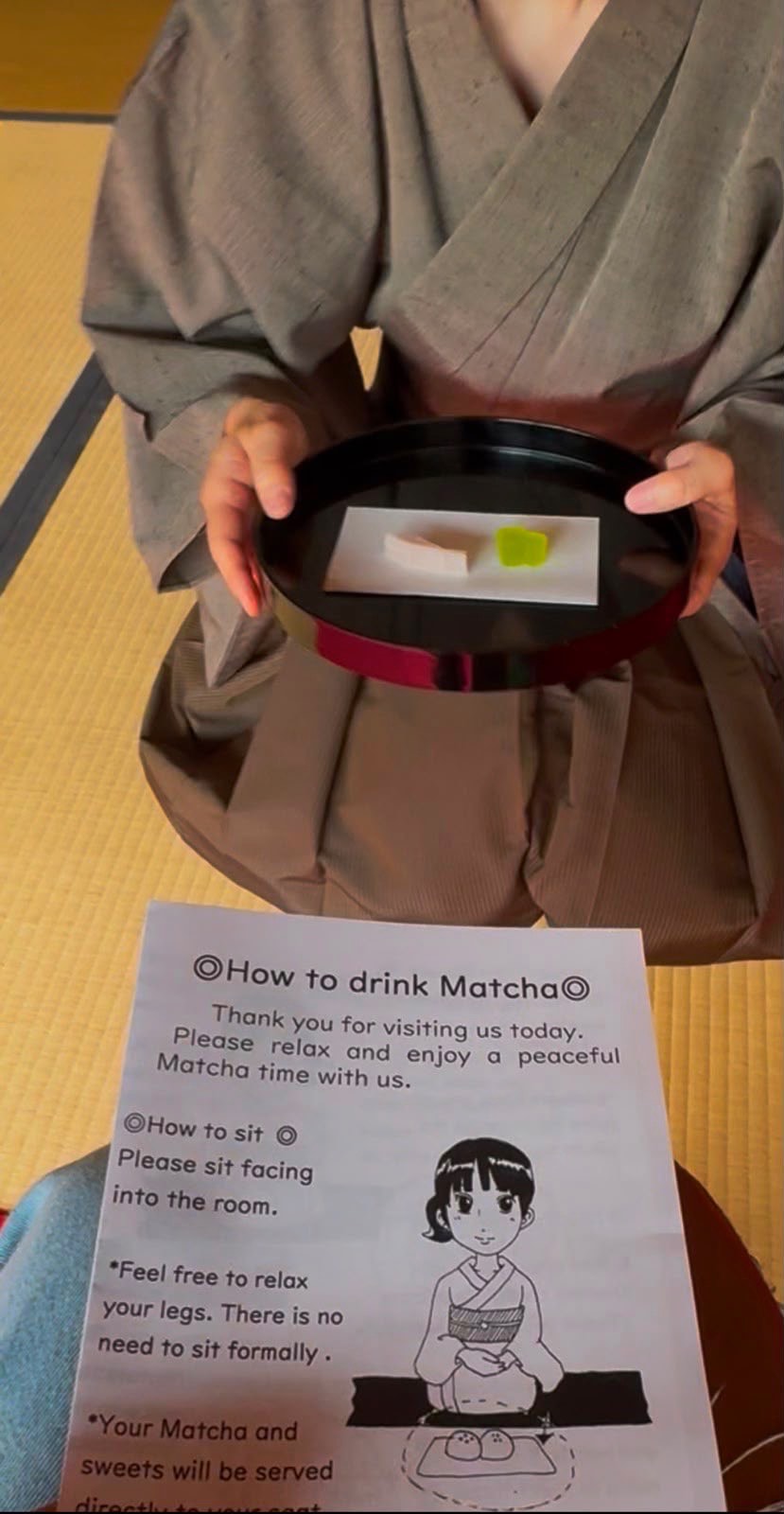
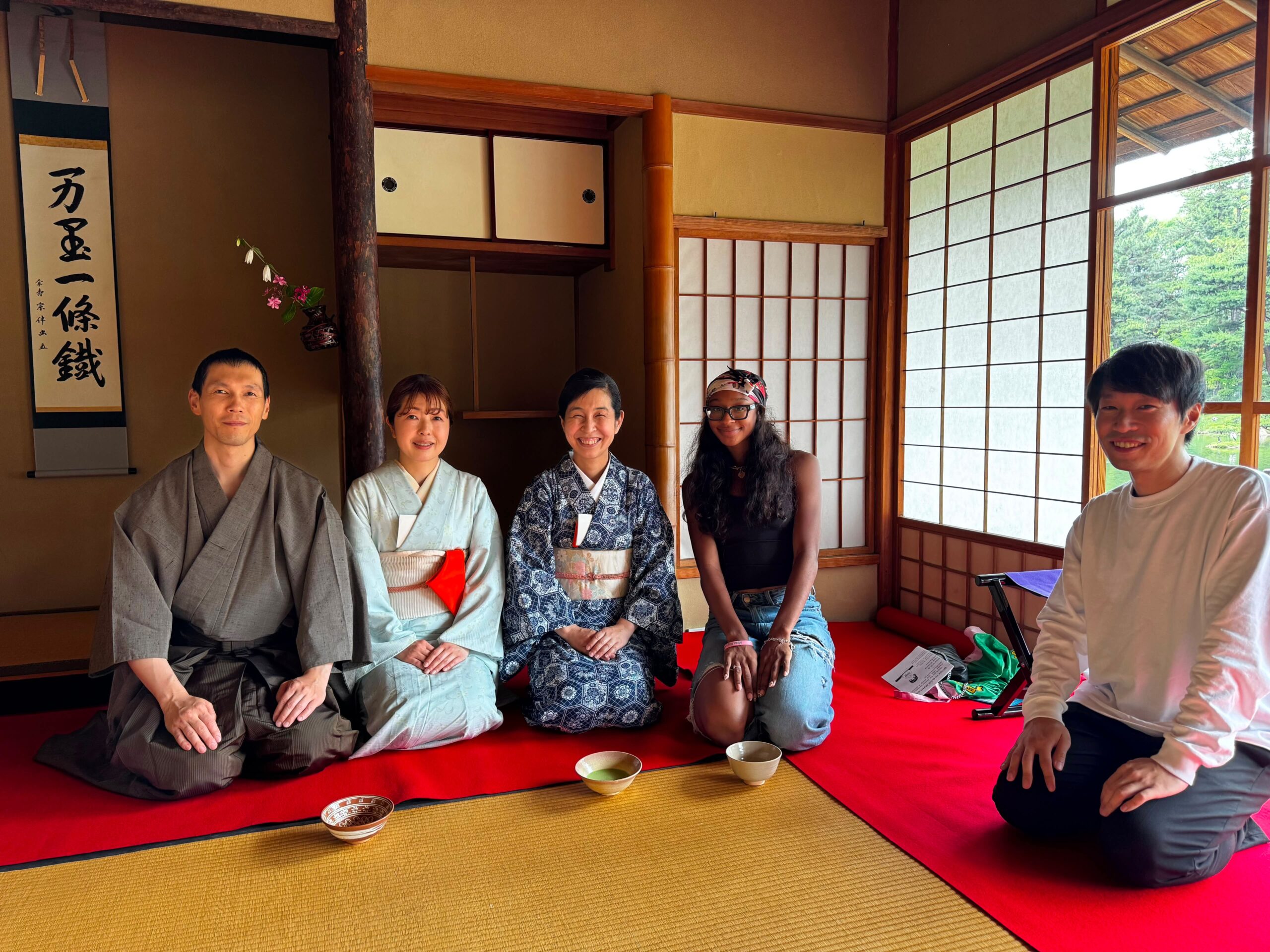
Kennedy Jacquet, a digital media innovation junior, got the chance to experience a traditional Japanese tea ceremony inside one of the tea houses.
“While participating in a traditional Japanese tea ceremony,” Jacquet said, “I learned the proper way to drink matcha from a matcha bowl and discovered that different bowls are used depending on the season.”
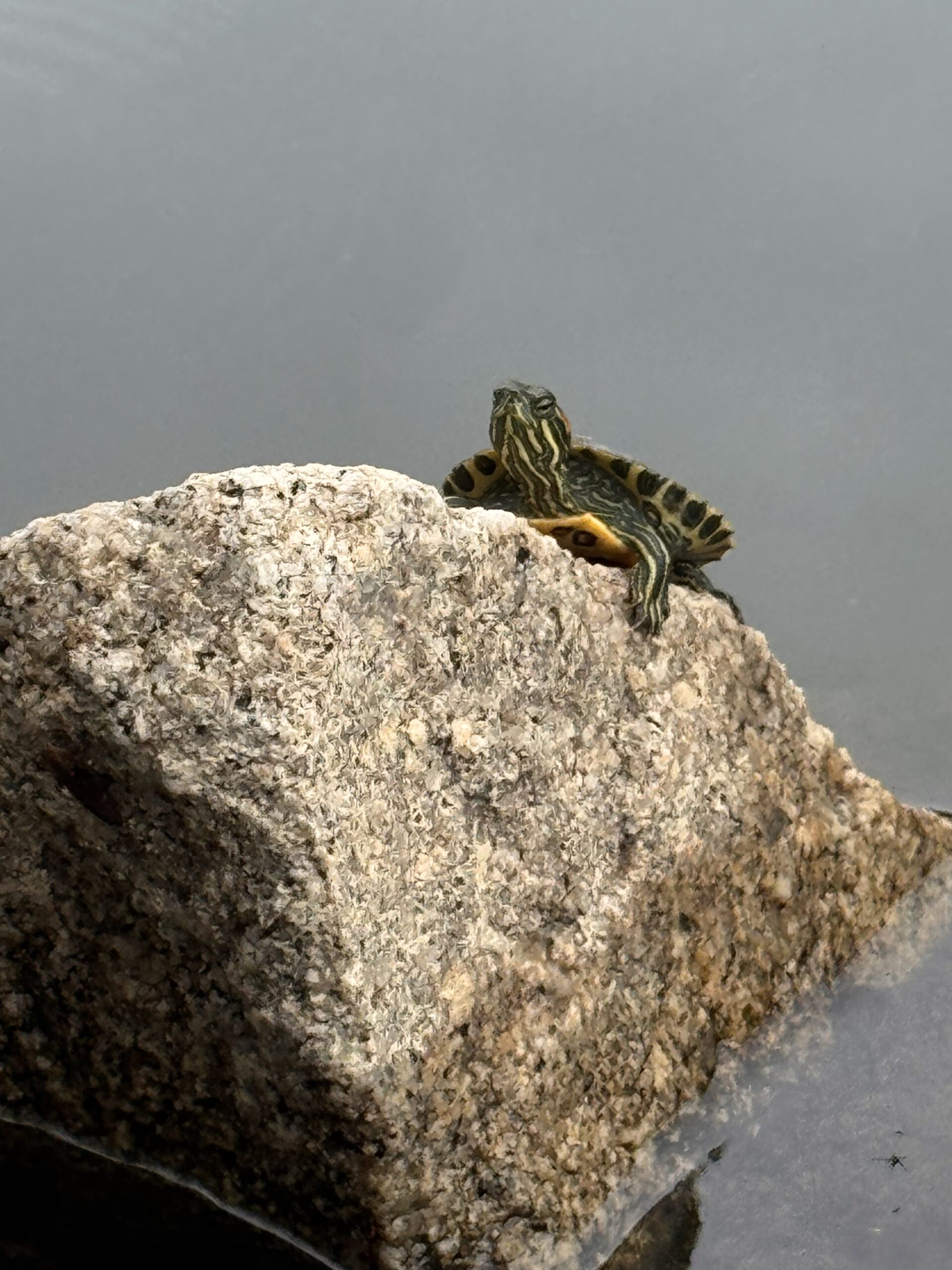
Behind the tea house lay a quiet pond with some smaller vegetation and bridges. On the first bridge, students fed the koi fish and turtles that congregated near the surface, looking for food. Along with turtles and fish, a crane was seen standing at the center of the pond, enjoying the peaceful ambiance.
Electronic media junior Brady Hart enjoyed the scenery and animals in the garden.
“My favorite part was seeing the baby turtle and the animals in the ponds,” Hart said. “It helped contribute to the peaceful vibe of the whole place.”
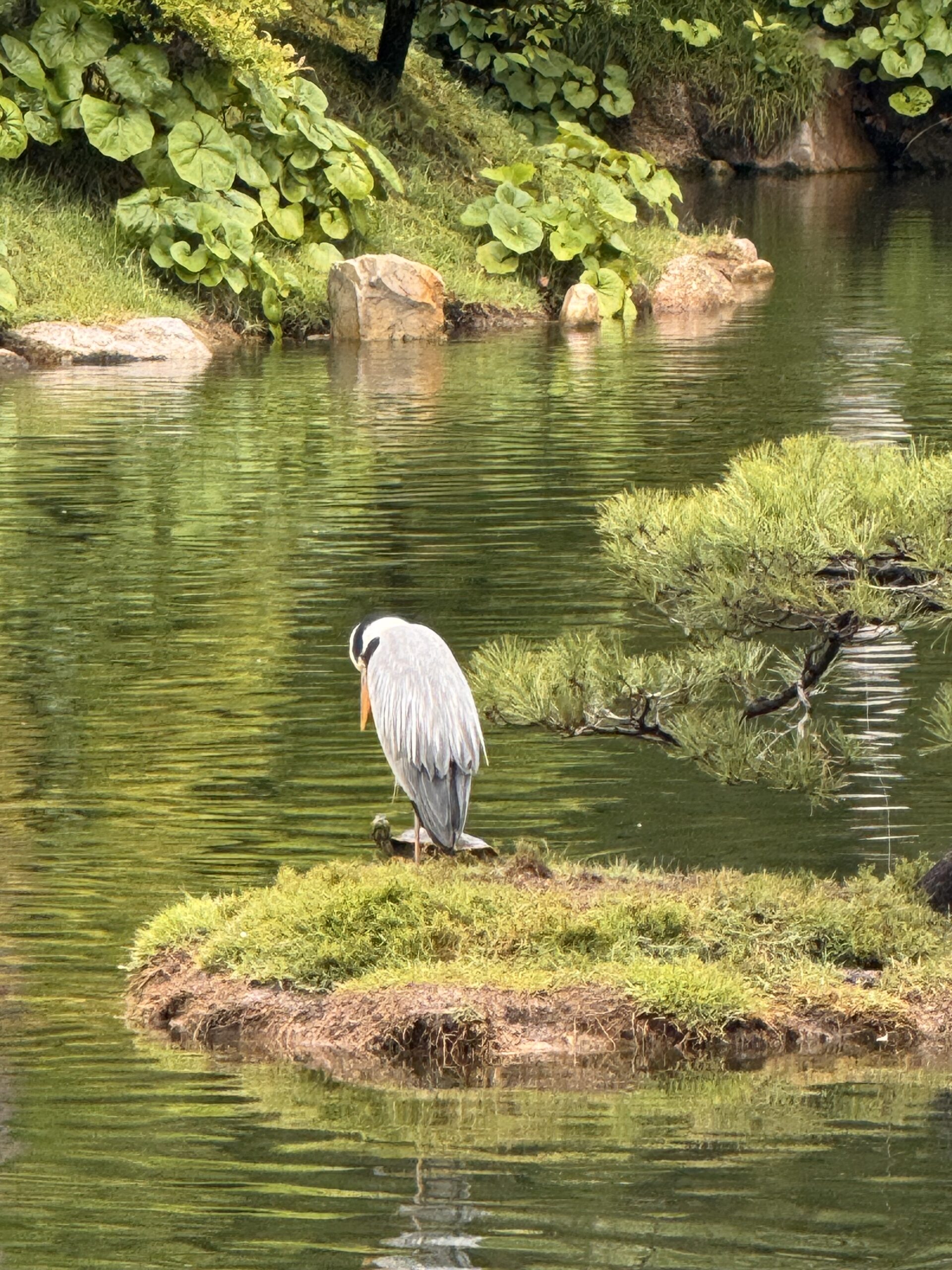
The garden is also home to three trees that are said to have survived the dropping of the atomic bomb: a Japanese Black Pine, a Ginkgo Tree and a Muku Tree. Despite being less than a mile (1.46 kilometers) from the hypocenter, these trees miraculously still stand today and even sprout buds in certain places where the radiation damage was extensive.
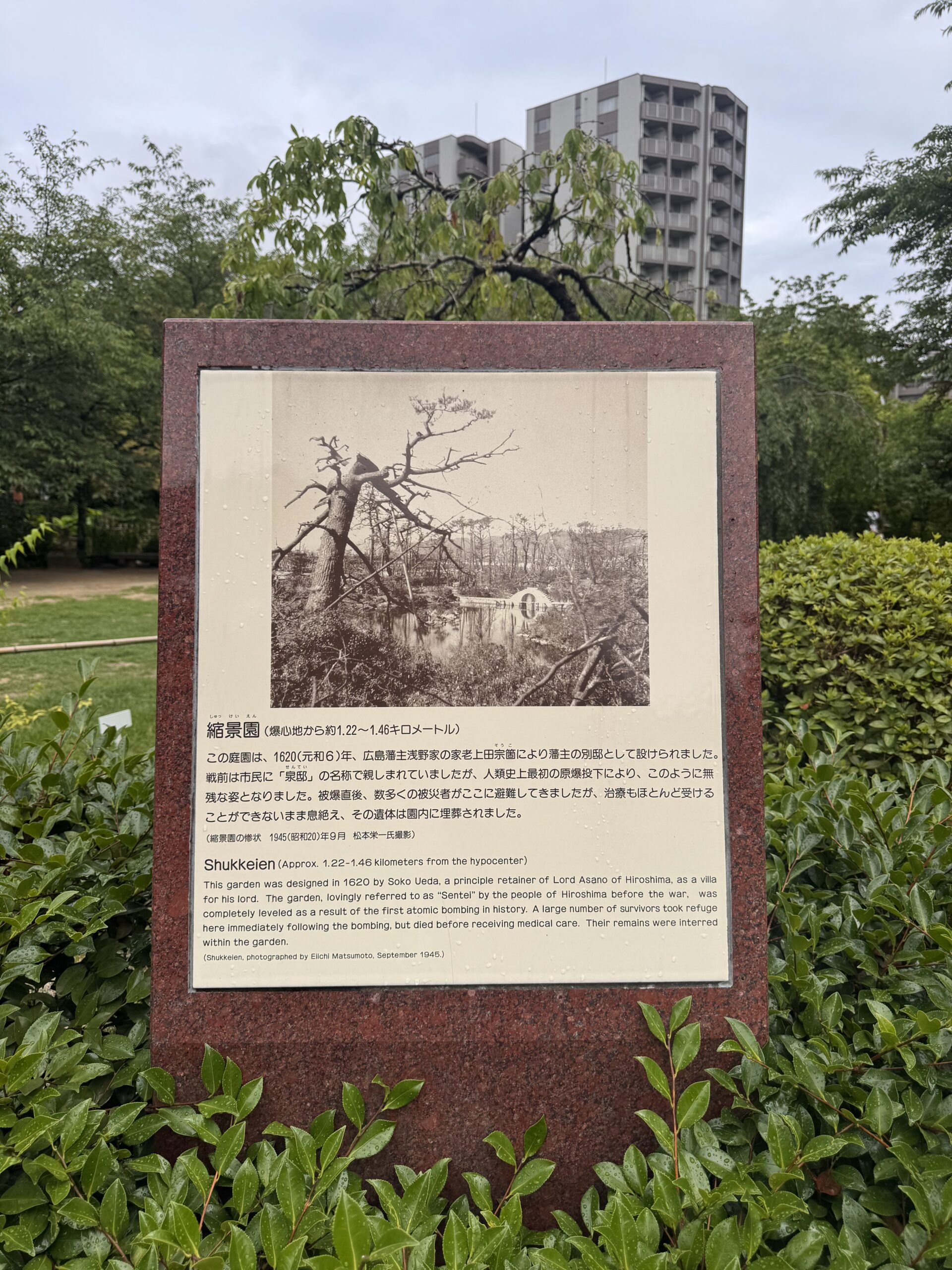
Shukkeien Garden is also a place where victims of the atomic bomb are remembered, as a large number of survivors took refuge in the garden after the initial blast but died before they could be treated for their injuries. Their remains were interred within the garden along with a memorial to commemorate the lives lost in the tragedy.
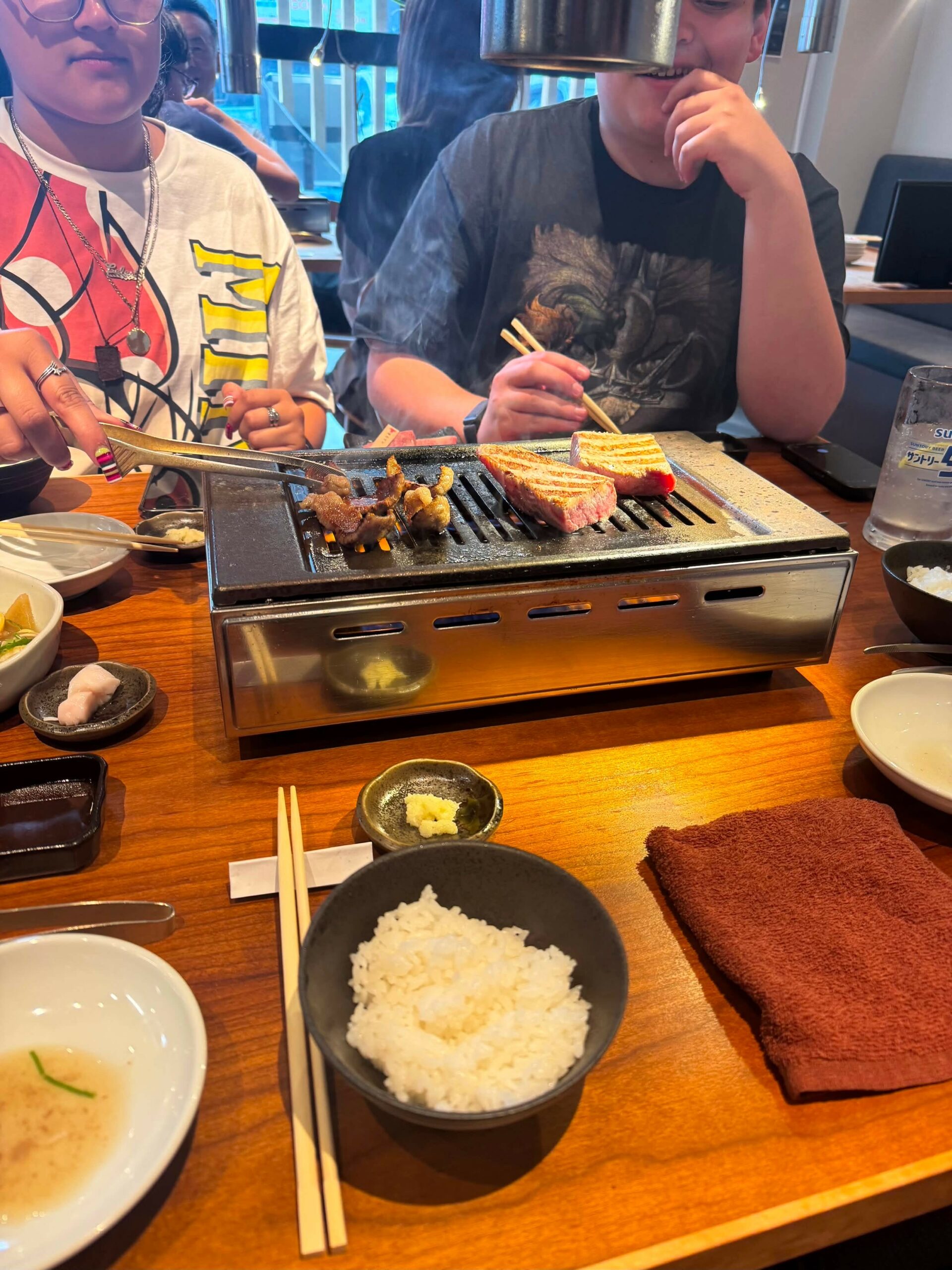
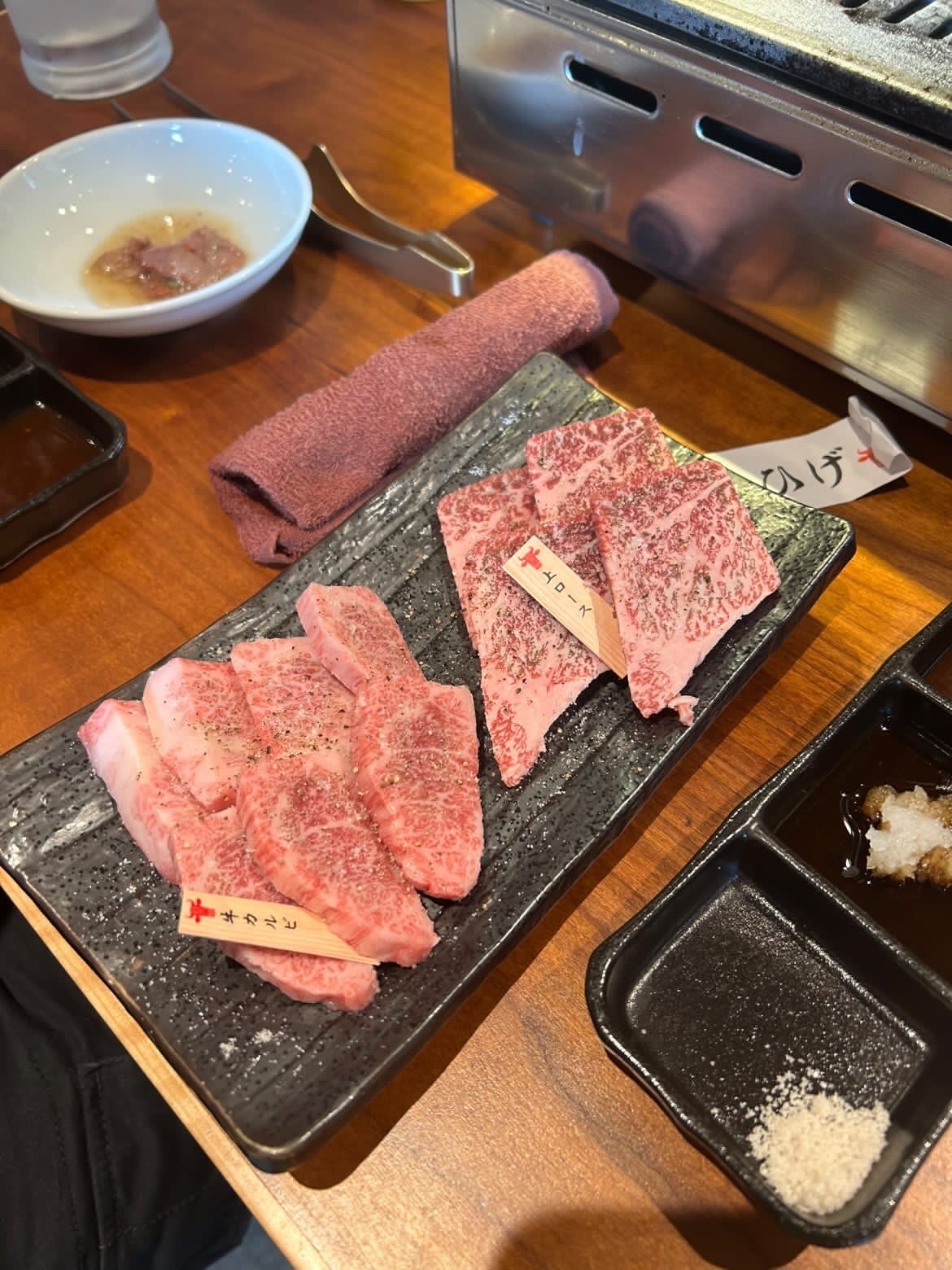
Students then had significant free time following the trip to Shukkeien, having the rest of the night to themselves. Luna and his group spent the evening at a local steakhouse, where they said the dinner was both tasty and entertaining, maybe even better than the peanut butter and pork sandwich.
“We went to a steakhouse where they cook the food right in front of you,” Luna said. “It was fun, delicious and a great time; plus, our main cook was hilarious.”
Other students, like Carrasco, gravitated towards comfort food and went to Shake Shack.
“I’ve never had Shake Shack before, so it was fun to try it internationally,” Carrasco said. “It was really good, and I’ll definitely go there again after having it today.”
As students unpack their bags and get settled into their new temporary home, they look forward to exploring Miyajima Island on Monday and learning about Hiroshima’s history at the Hiroshima Peace Memorial Museum and Park on Tuesday.
About The Author