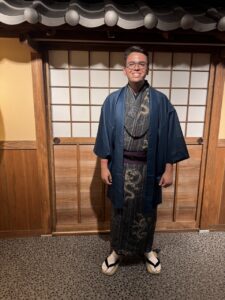
On their first full day in Hiroshima, SJMC Japan students traveled to Miyajima Island to spend the day learning about the vast history of the sacred grounds and see iconic sights like Itsukushima Shrine, Otorii Gate and Daishōin Temple.
The island, whose name translates to “shrine island” in Japanese, formed from granite about 80 million years ago and was once so sacred that no one was allowed to set foot on it until around 400 to 500 years ago. Even now, the grounds are still incredibly sacred, meaning that no burials or childbearing are allowed on the island.
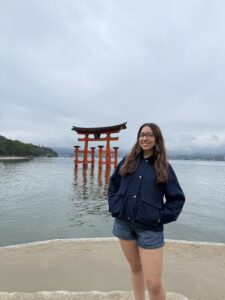
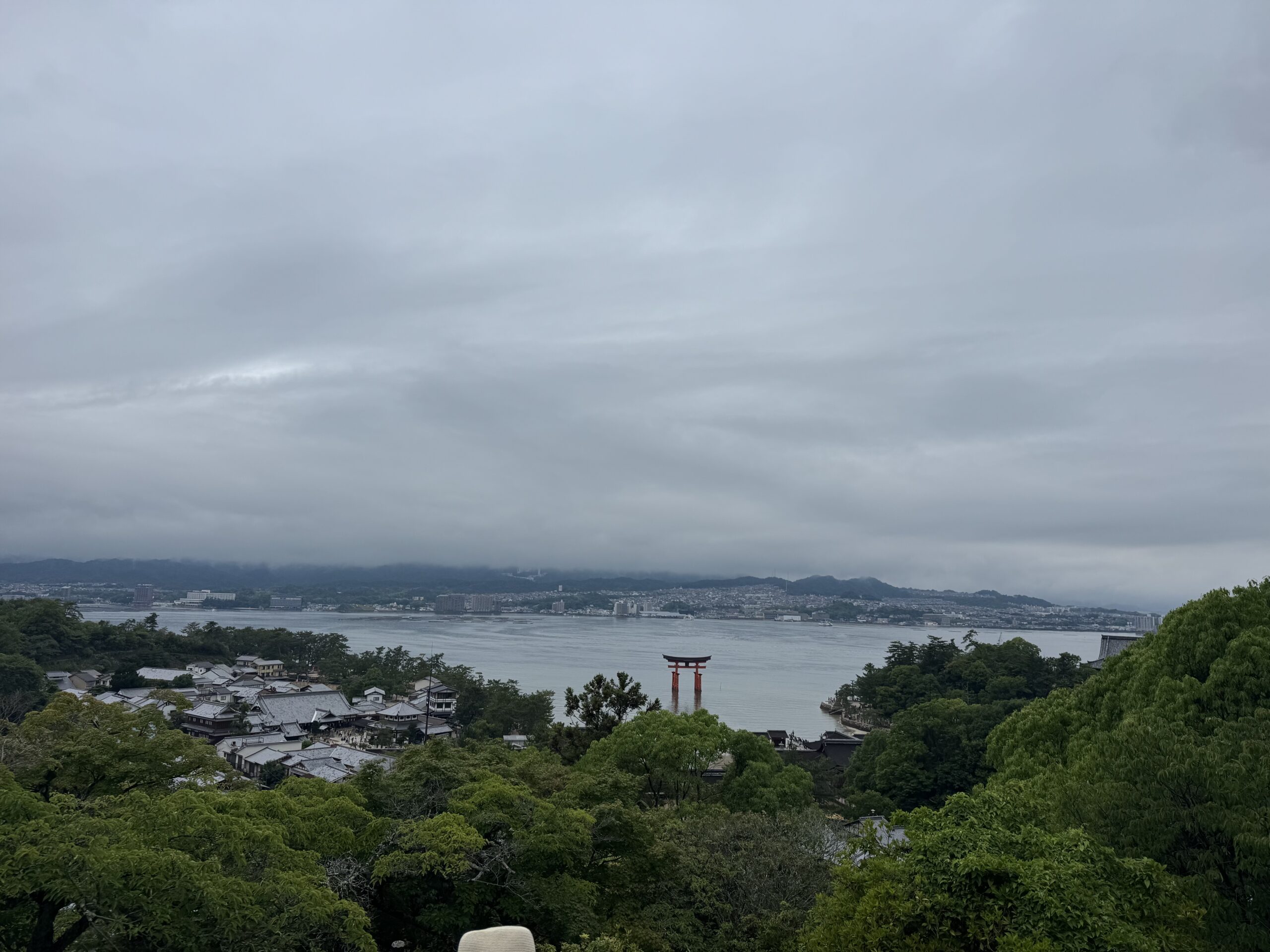
Students took the ferry to the island, giving them a closer view of the iconic vermilion Otorii Gate standing in sharp contrast against the lush green of Miyajima behind it.
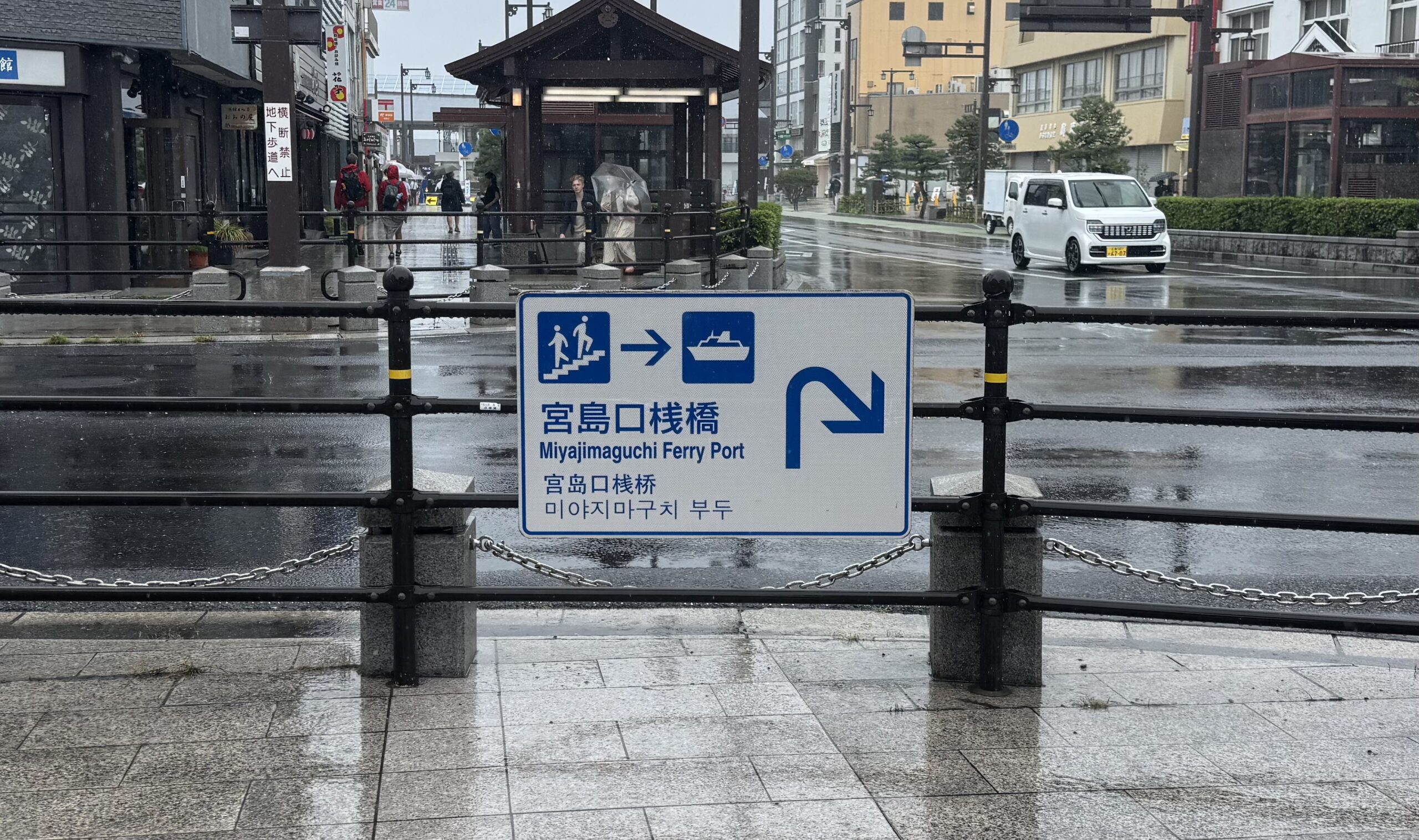
Despite on and off rain all day, journalism and digital media innovation senior Taylor Carrasco’s anticipation continued to build even before the ferry docked at Miyajima.
“I’m most excited to see the Otorii Gate because it’s what I’m writing my (travel) story on,” Carrasco said. “I’m excited to learn about what it means to their culture.”
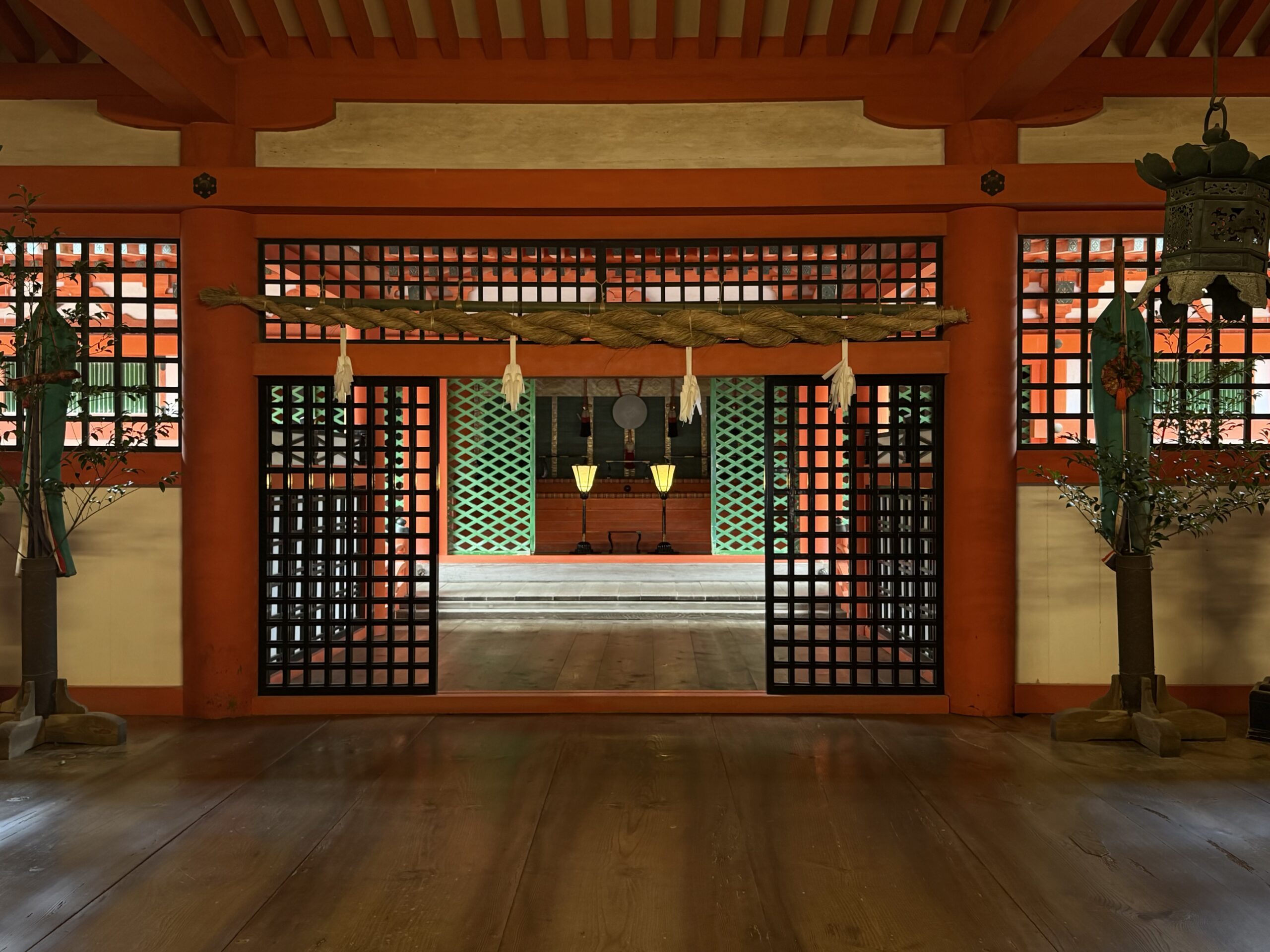
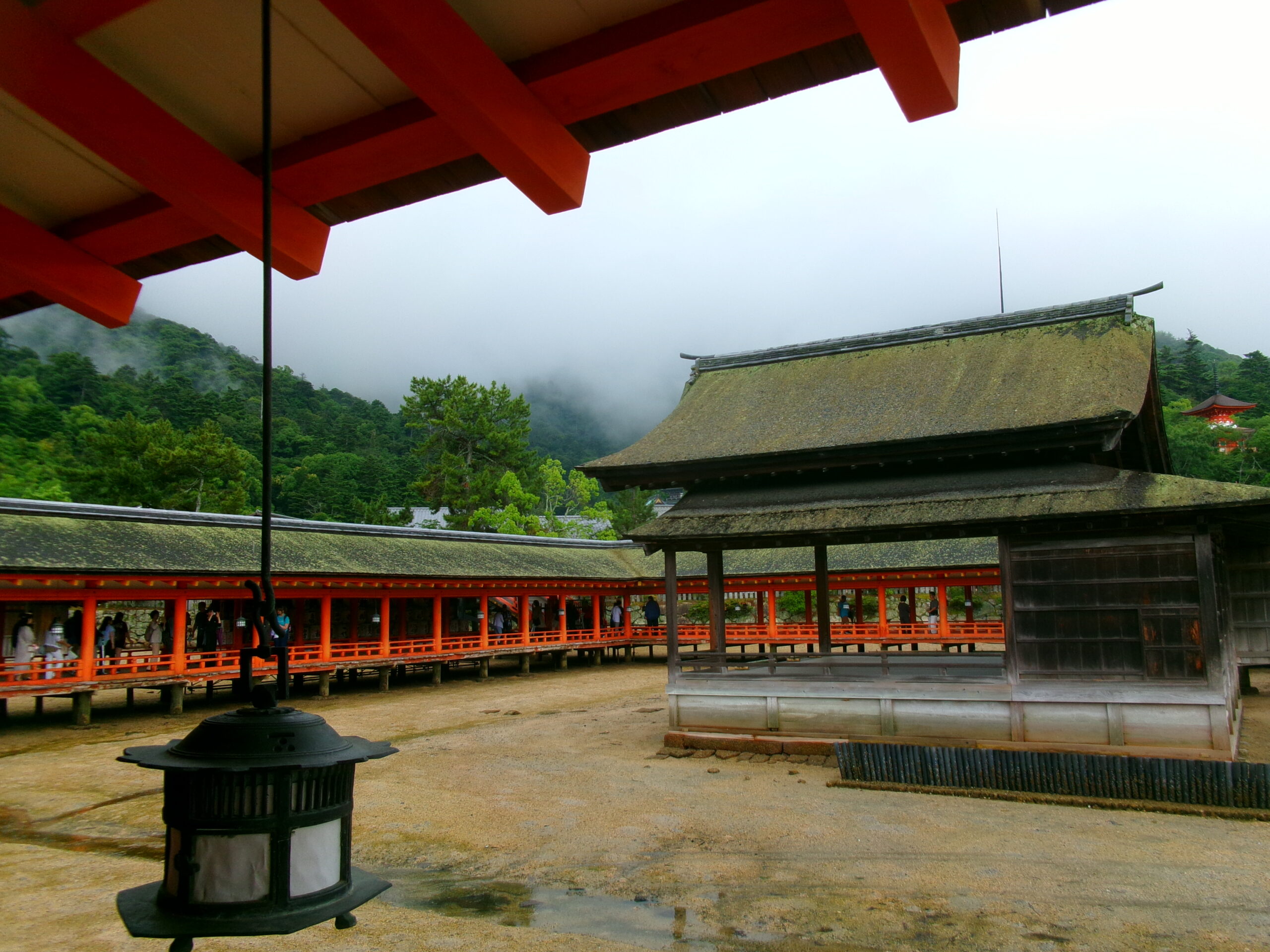
The students then visited Itsukushima Shrine, which is dedicated to the three daughters of the god Susanoo. The shrine was built on stilts over the water in the sixth century in an attempt to make it look like it was floating at high tide, a deliberate attempt to keep the sacred space away from the land. The shrine also includes a Nōh stage, which is the only one built entirely over the water, causing the stomping sounds made during performances to echo loudly.
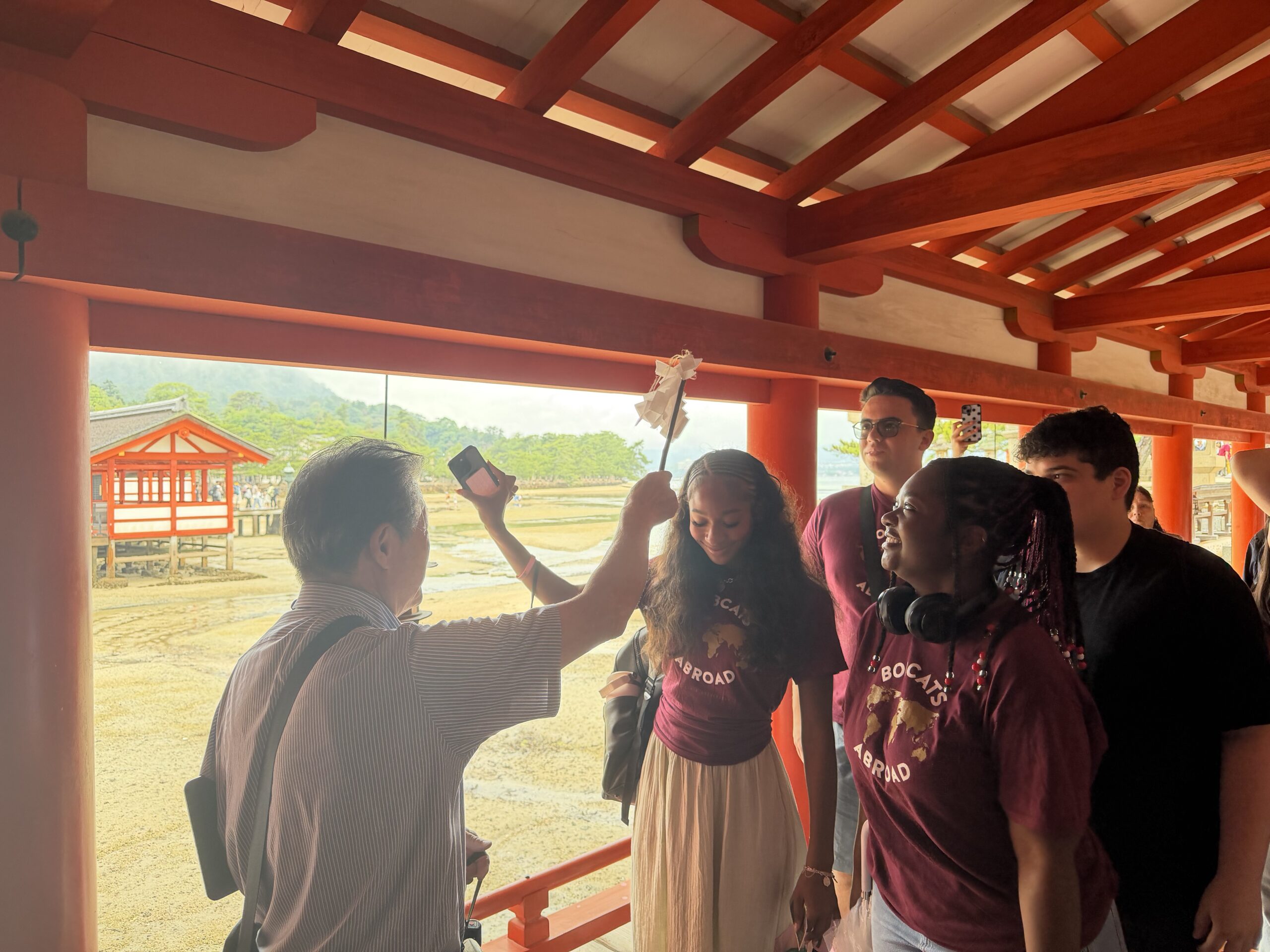
The Shinto shrine was designated as a UNESCO World Heritage Site in 1996 and is one of Japan’s three most scenic views. In the shrine, students were blessed and purified with the harae-gushi, which is a wooden wand with folded white paper streamers attached to it.
Taira no Kiyomori is a prominent figure in the history of Itsukushima Shrine. He remodeled the shrine into its present form in 1168 A.D. It is unclear when Kiyomori developed a religious faith and feeling for Itsukushima Shrine, but during his time as governor of the Aki Province, he frequently visited. After his time as governor, historical records show he visited more than 10 times, and in 1164 (before the remodel), he and his clan donated copies of Buddhist statues.
The iconic Otorii Gate, standing over 52 feet tall, is located slightly offshore from the shrine. The current gate, made in 1875, is the largest one made of camphor wood and attracts visitors who either walk up to its base at low tide or watch it seemingly float at high tide.
Historically, boats carrying official trade to the shrine were required to pass through the gate, cementing its role as a sacred threshold between the physical and spiritual worlds. The gate’s vermilion color, a common feature of Shinto architecture, is believed to ward off evil spirits.
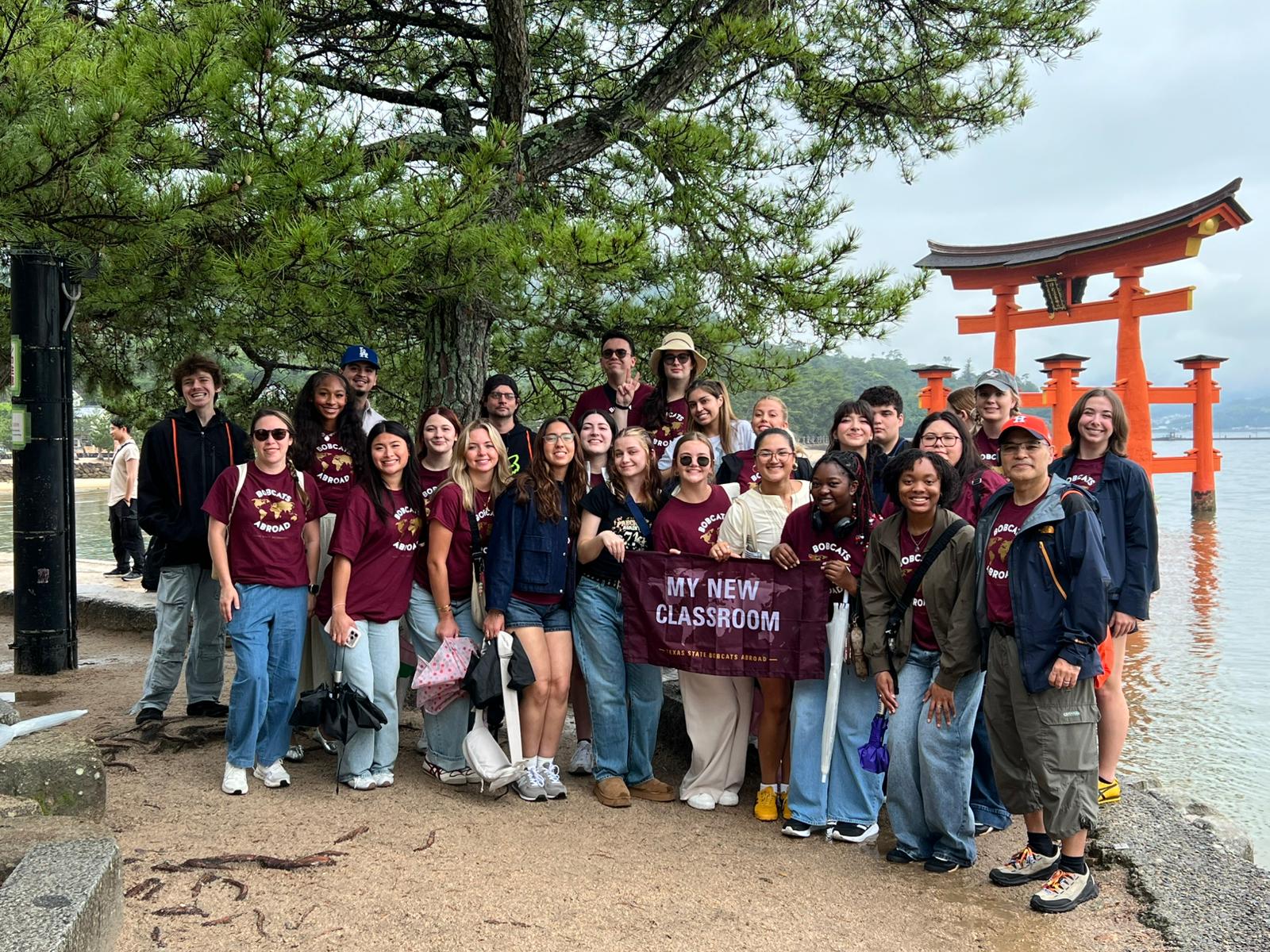
Digital media innovation freshman Faith Williams was in awe at the sight of the Otorii Gate.
“It’s something you can’t find in America,” she said. “It was cool seeing people taking pictures in the water.”
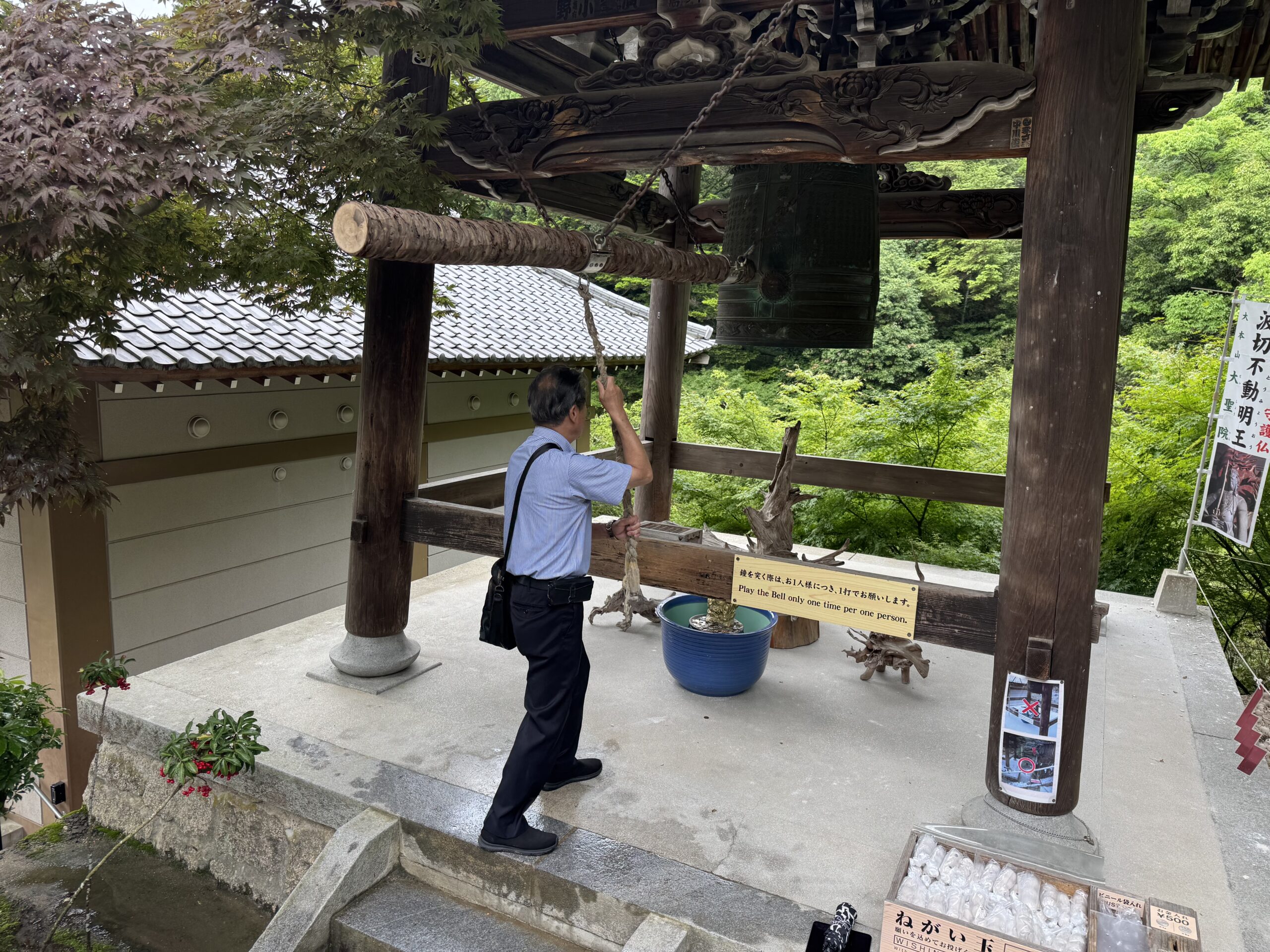
While on Miyajima Island, students also had the opportunity to visit Daishōin Temple, the oldest one on the island. Pillar member of Japanese Buddhism and monk Kūkai founded the temple in 806 A.D. after returning from China. Long associated with the imperial family, it has served as Emperor Toba’s prayer hall and lodging for Emperor Meiji.
Digital media innovation sophomore Berkelee Bryan was one of the students who walked through the temple’s Henjokutsu Cave, a darkened passage underneath the first floor of the temple. Patrons must feel their way on the path in total darkness. The experience is meant to symbolize rebirth.
“It was kind of scary at first because I was leading my group in the back, and we were all holding each other’s shoulders,” she said.
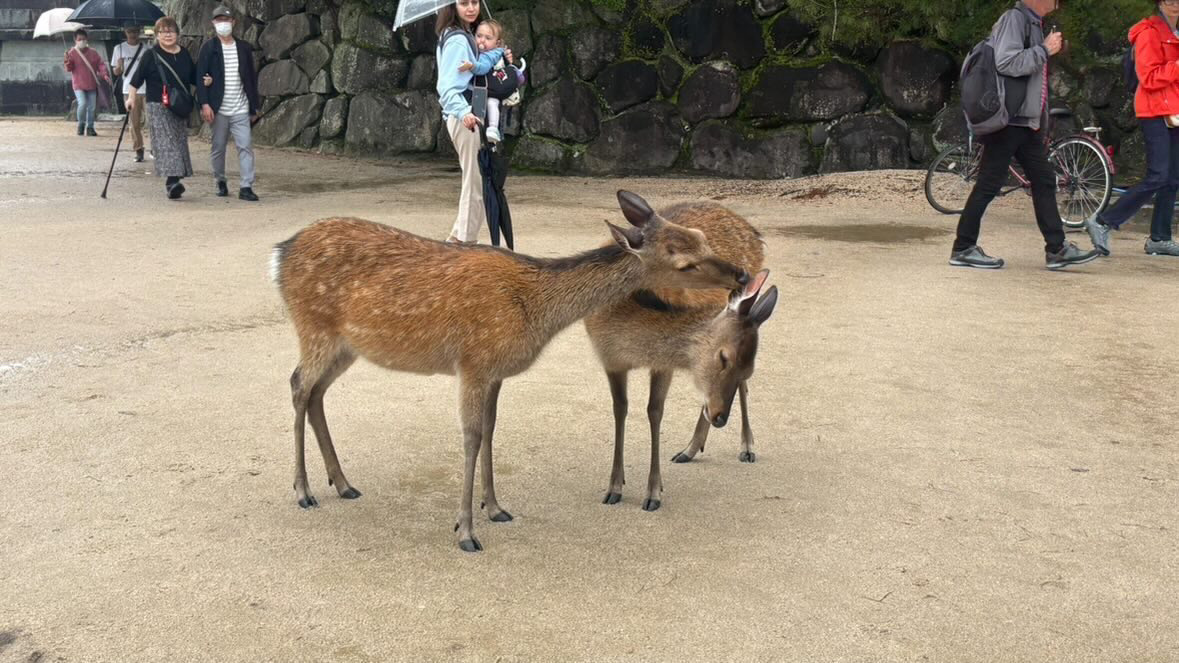
In addition to the historic sights the students experienced on the island, some also had encounters with the free-roaming deer that inhabit the area. Considered sacred messengers of the gods in Shinto tradition, these deer also enjoy approaching the island’s visitors to sneak bites of food, paper and jackets alike.
Advertising sophomore Valeria Cerecer-Vargas had a close call with a deer as she was heading back to the ferry terminal at the end of the day.
“I thought I was going to have a Disney princess moment, but then it started to reach for my ice cream,” she said. “After that, I kept avoiding all of the deer because I was scared they were going to bite me.”
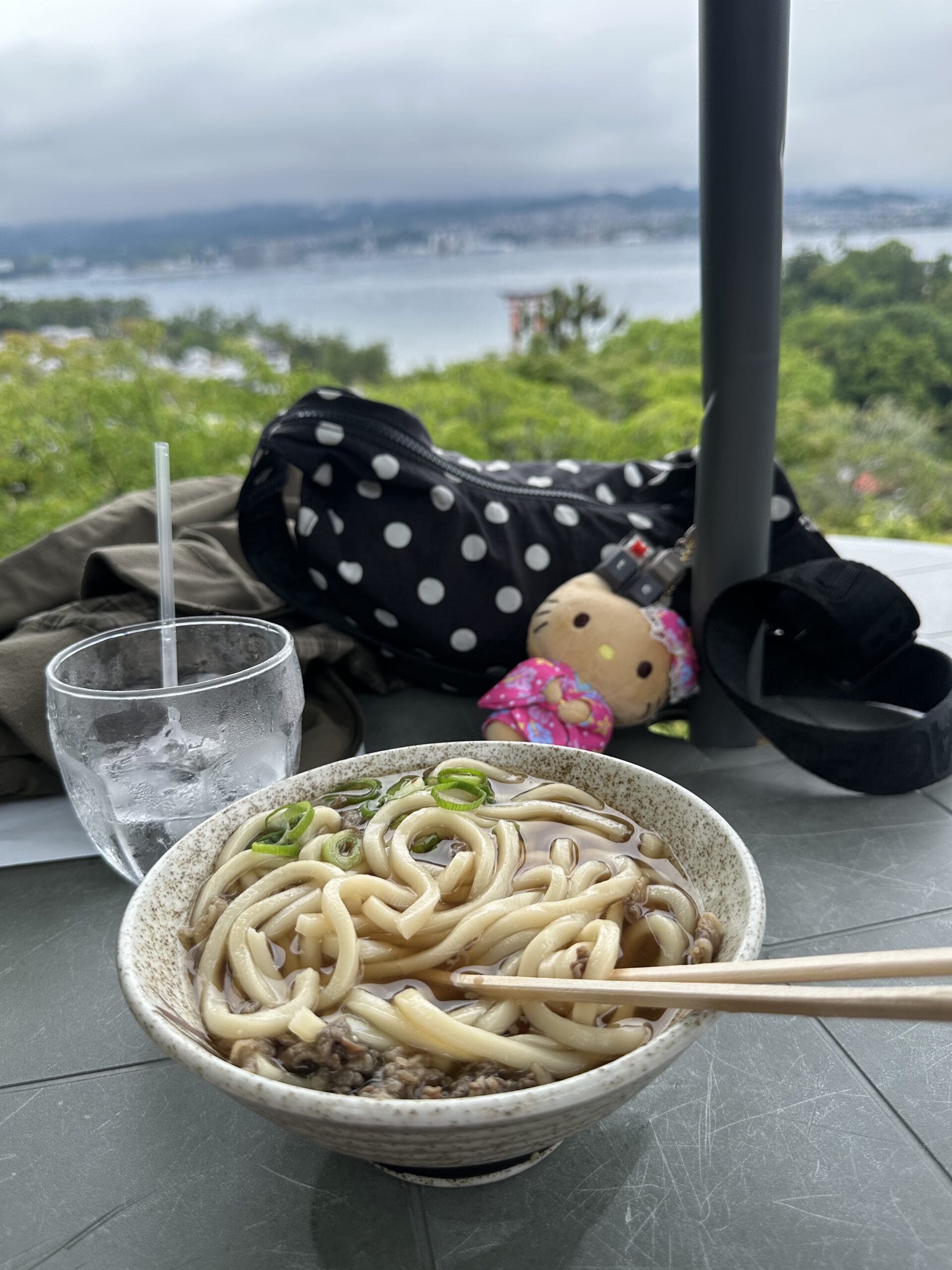
For lunch, Michio-san led a small group of students to a restaurant called Hiramatsu-chaya that overlooks the island. While eating there, students learned that the current emperor’s grandfather, Emperor Shaya, had visited the spot almost a hundred years ago.
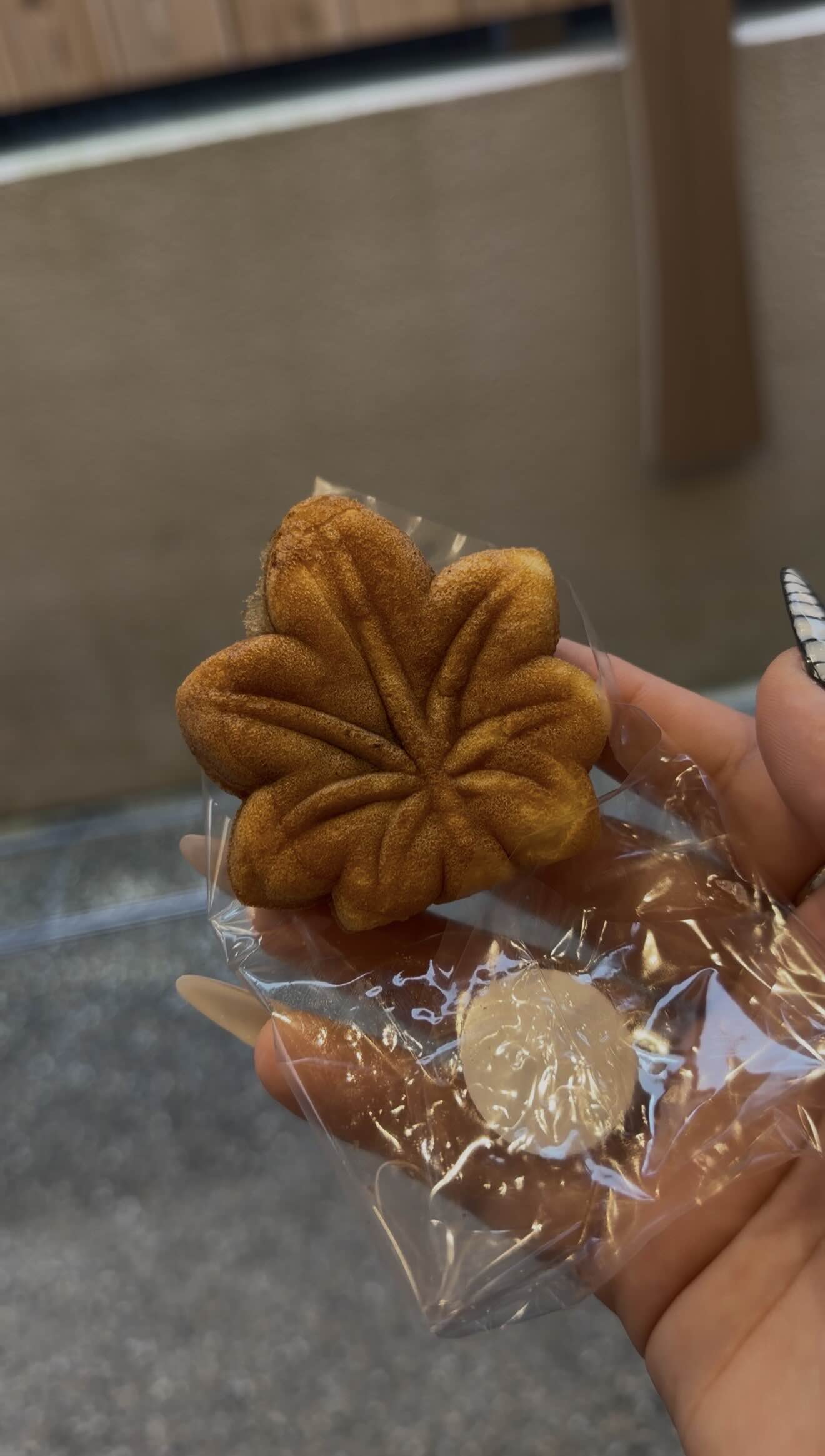
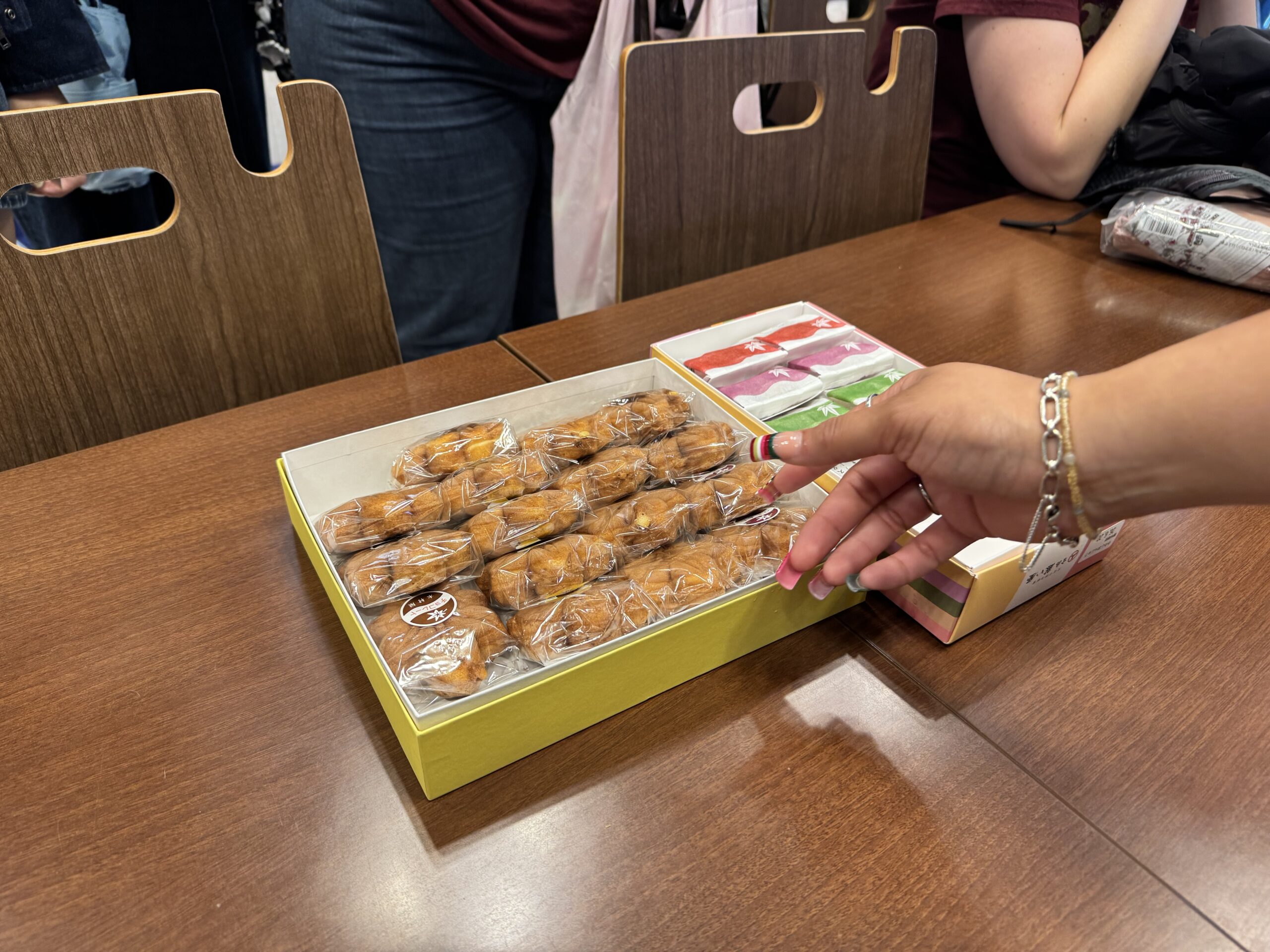
After viewing Itsukushima Shrine and Otorii Gate, students had free time to explore Miyajima’s Omotesando shopping street lined with local vendors, souvenir shops and food stalls. The street is most famous for Momiji Manjū, which are maple leaf-shaped cakes filled with red bean paste, the island’s most iconic treat. During her time at the Omotesando shopping street, public relations senior Christina Saenz stopped to pick some up for the rest of the group to try, giving her fellow peers a treat to end the day on a sweet note.
Advertising freshman Ainsley Burnett used her free time to taste an iconic Hiroshima snack.
“We got the savory pancakes [okonomiyaki],” she said. “They were really good.”
Other students went to Miyajima Public Aquarium near the commercial street where they found plenty of fish, seals, otters and more. They finished off their visit by buying gifts for both themselves and their family.
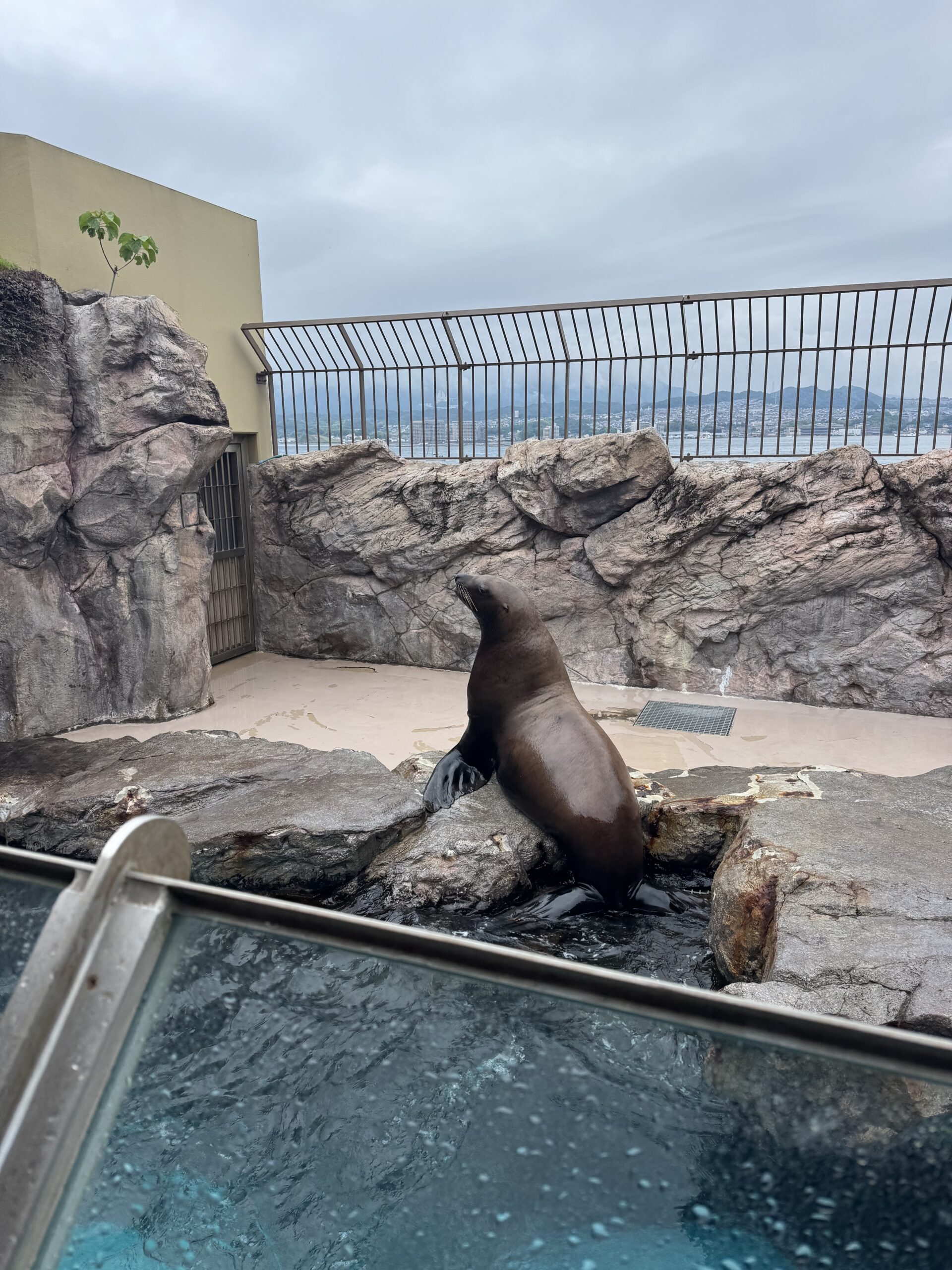
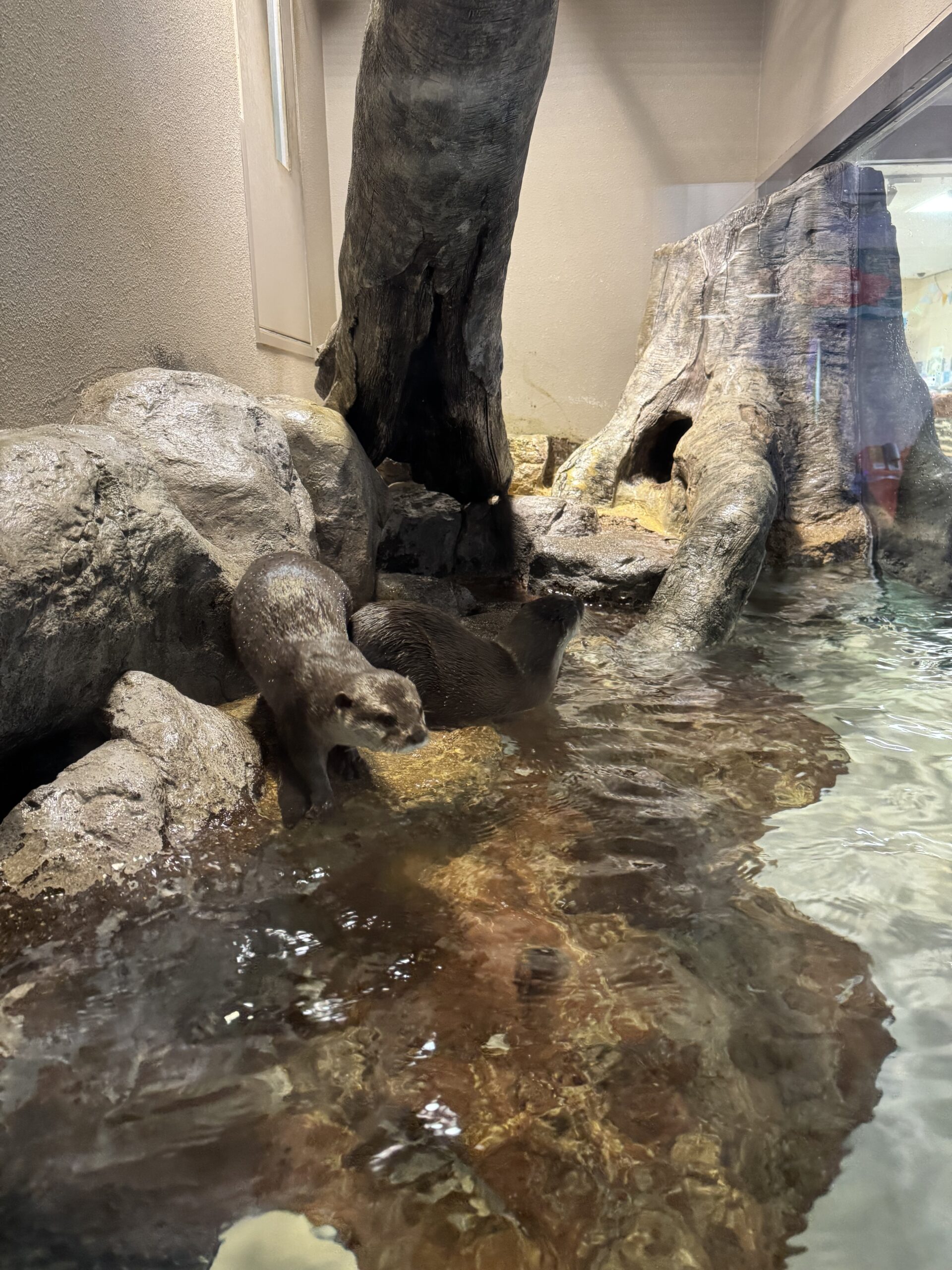

Two students braved the weather for a while longer to explore Mount Misen, the highest point of the island, After getting lost on the way down, they were able to make it back to the hotel several hours after the main group returned.
SJMC Japan students will continue to learn about Japan’s history tomorrow at the Hiroshima Peace Memorial Park and Museum before taking the shinkansen to the last location of the program: Kyoto.
About The Author