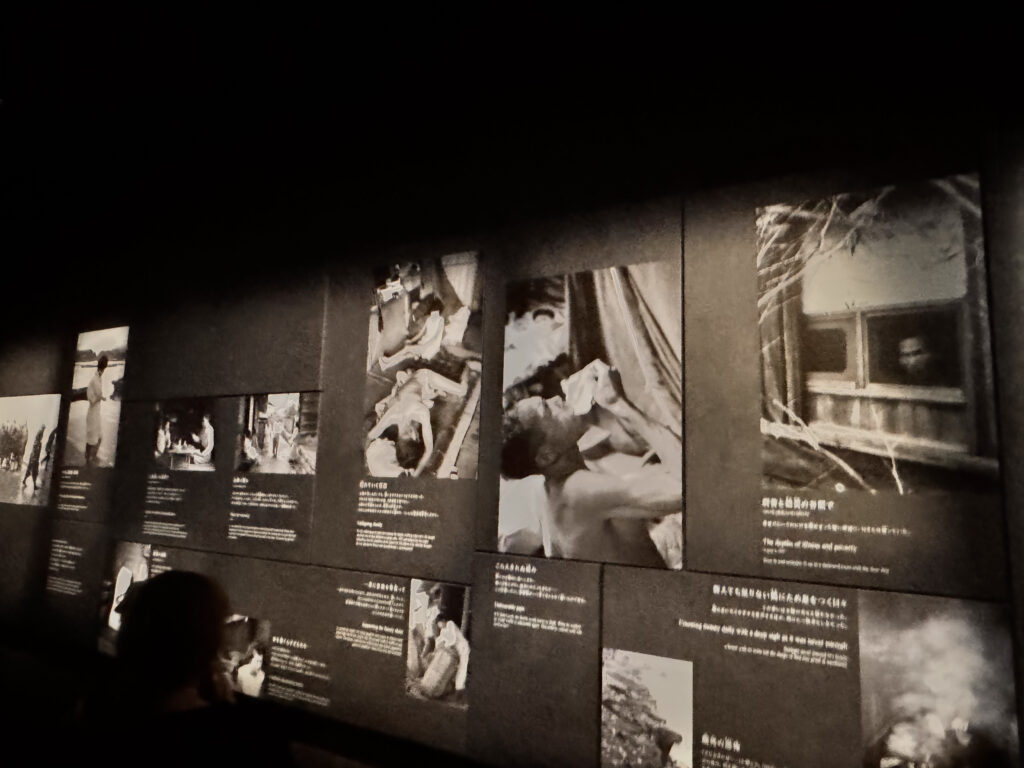
The bombing of Hiroshima in World War II and what followed drastically affected the city’s people for years. It led to years of pain and poverty with no solution in sight. A particularly heartbreaking story is about a hardworking fisherman identified as N who survived the bombing and endured a life of tremendous hardship. The story of his and his family’s experiences is one of many showcased at the Hiroshima Peace Memorial Museum.
On the day of the bomb, N was at his building demolition worksite. Many Hiroshima residents, including school children, were enlisted to create firebreaks in the event of bombing. The A-bomb did not take his life, but he was still heavily affected by it.
N experienced severe burns over his entire body and took two years before he could fish again. His wife desperately worked hard to sustain their family, but she died in March 1951 leaving N to contemplate suicide for his children and himself. He decided to purchase rice balls and fish for the children’s last supper. When night fell, he put his hands around the neck of one of his children but was unable to squeeze. When dawn arrived, N had no choice but to live.
N would sit in a darkened room with the door closed, even on the hottest mid-summer days. Sunlight wouldn’t enter N’s house. The only sound that would be heard was the slurps of thin rice gruel. If N did not work, his family would starve to death. When he did work, he was met with unbearable pain and agony. This endless cycle was the harsh reality for N. When asked where his children were, he would respond “probably at the river,” then remain silent. At dusk, his two daughters returned with a bamboo strainer that was full of clams.
This dire situation led to his family collapsing. N was suffering and nothing could be done to help him. He sought medical care at nine different hospitals and underwent two major operations, but he never improved. Hiroshima City officials thought he was faking his pain and classified him as a mental patient. Nobody knew how to help him.
In 1960, N was admitted to the A-bomb hospital. N was not treated well at previous hospitals, so this time his mother and his daughter made him pajamas and a futon respectively.
N being hospitalized gave him and his family a bit of hope. He said to his daughter, “This time, I will definitely get well. I’m sorry I’ve been such a burden on you for so long. When I return home, it’ll be time for you to get married.” The N family celebrated.
After one month, N’s condition saw no improvement. He returned with a white plaster cast and said, “I was told to put this on my back and stay in bed because there’s nothing else they can do for me.” N had lost the will to live.
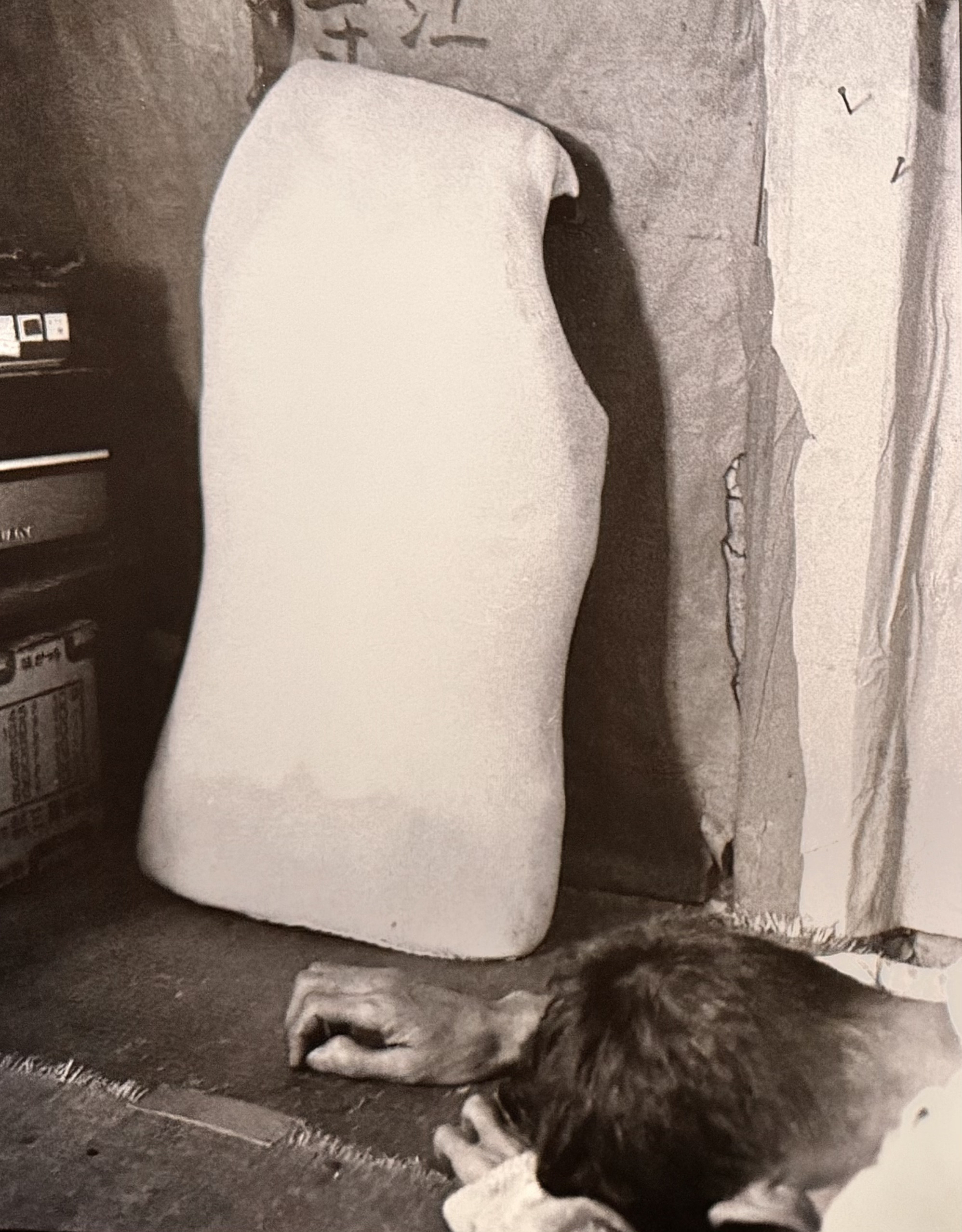
N died on Jan. 1, 1967. Hundreds of scars were found all over his thighs. These scars were from him cutting himself with a razor blade. This was his way of distracting himself from the agony he was constantly enduring.
N’s story serves as a reminder of the aftereffects of nuclear war. Victims like N are often overlooked because they do not fit the widely known narrative of the bombing of Hiroshima. Because nobody knew how to help people suffering from A-bomb related diseases, they faced constant discrimination under the false assumption that the diseases were contagious.
It’s crucial to not only recognize the deaths of Hiroshima victims but also how some survivors, like N, struggled after the bombing with ineffective treatment and a lack of understanding.
About The Author