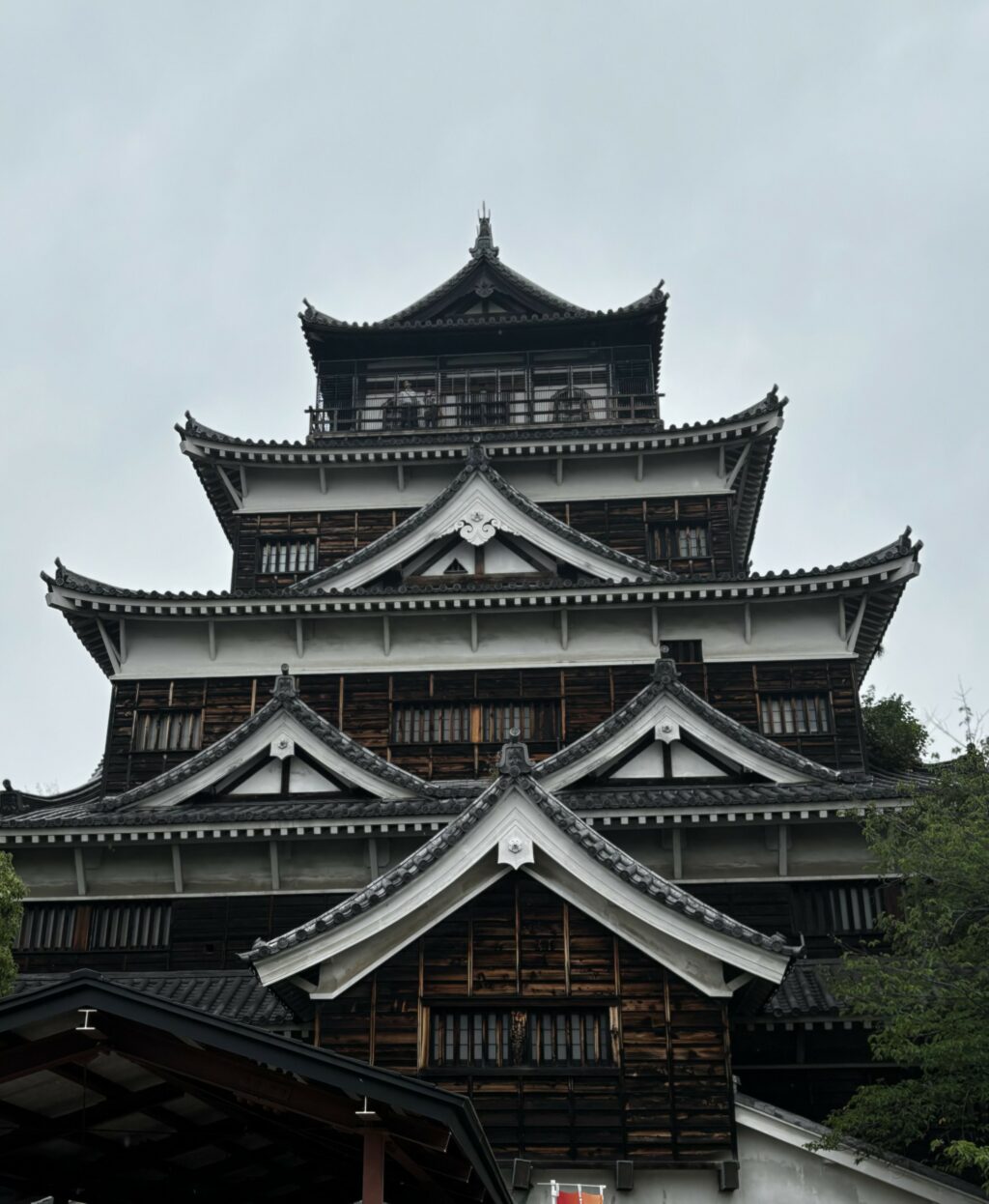
Built within the center of the city, Hiroshima Castle stands strong as a historic site, its black and white tiers reflecting over the surrounding moat.
Originally completed sometime between 1592 and 1599 by feudal lord Mori Terumoto, the castle once served as the regional power during Japan’s feudal era. Today, visitors can walk its reconstructed grounds and interiors, rediscovering layers of historic samurai culture and Japanese history.
The castle’s current structure is a post-war reconstruction, built in 1958 after the original was destroyed by the atom bomb in 1945, and now serves as an exhibit for historic artifacts. As visitors ascend its five floors, the experience changes from architectural appreciation to an immersive journey through Japan’s martial legacy.
Hiroshima Castle is also called “Carp Castle,” pronounced Rijō in Japanese. The castle received this nickname since it was built in an area then called Koi-no-ura (Koi Sea Shore) (“koi” means carp in Japanese).
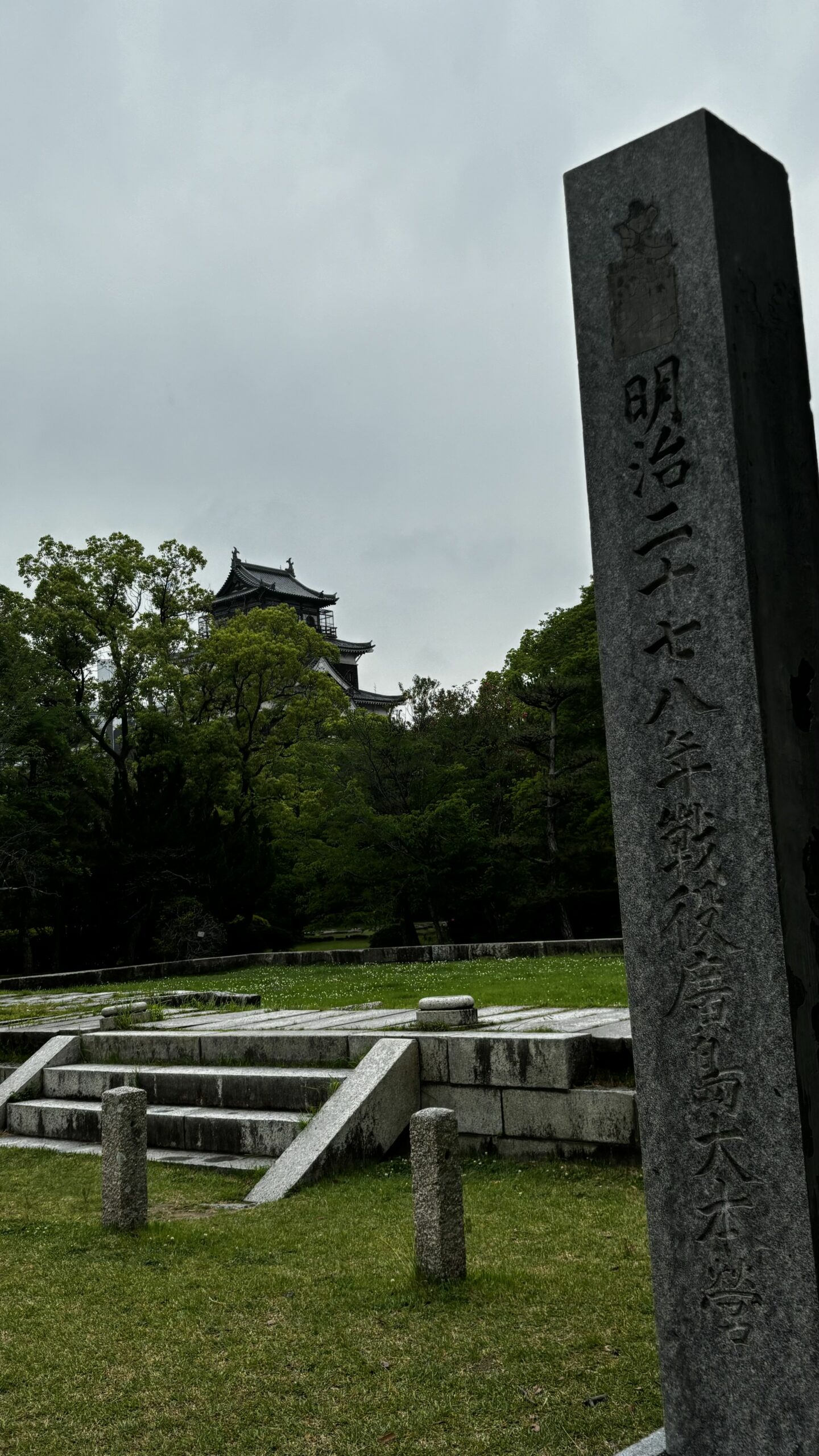
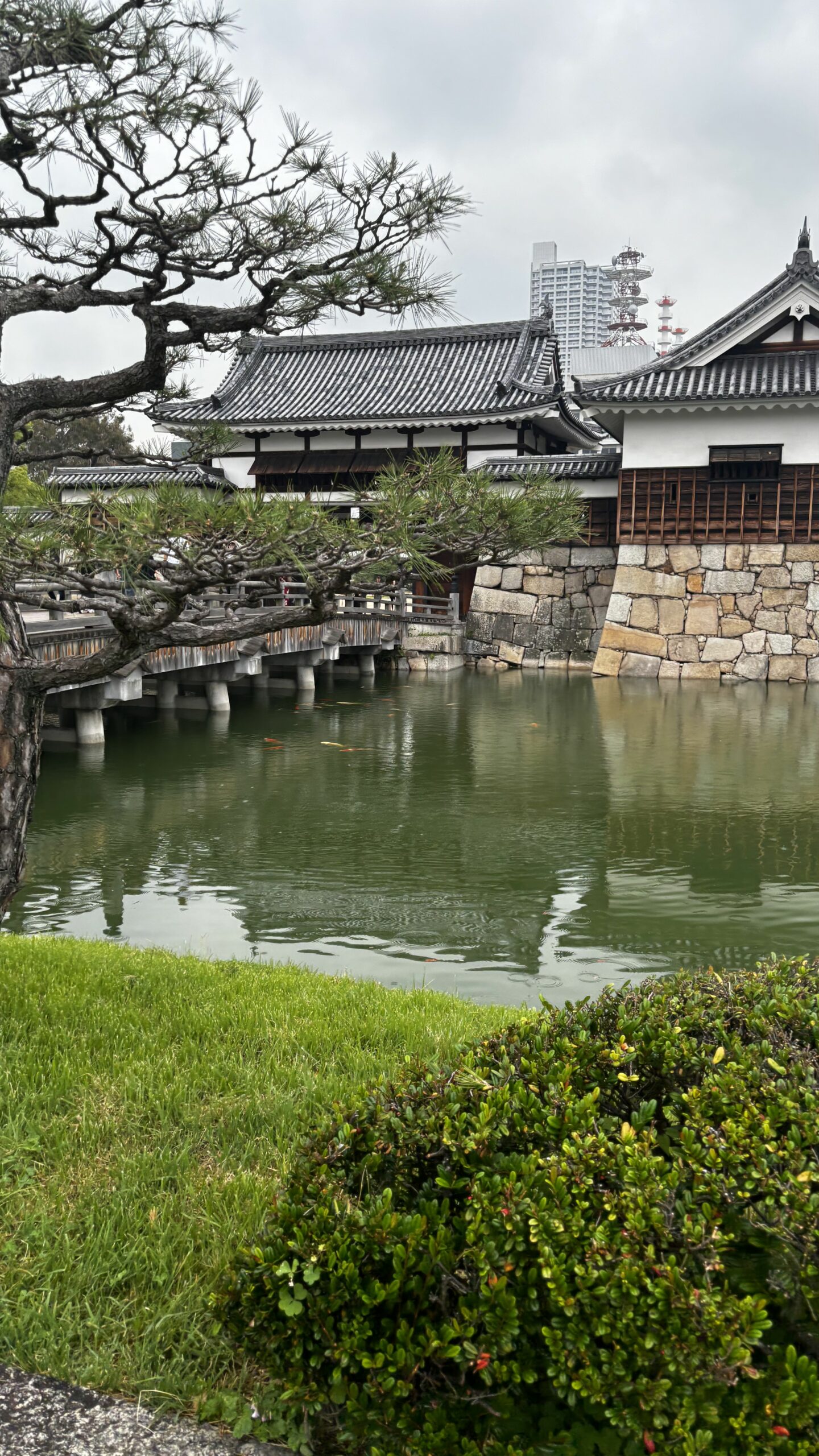
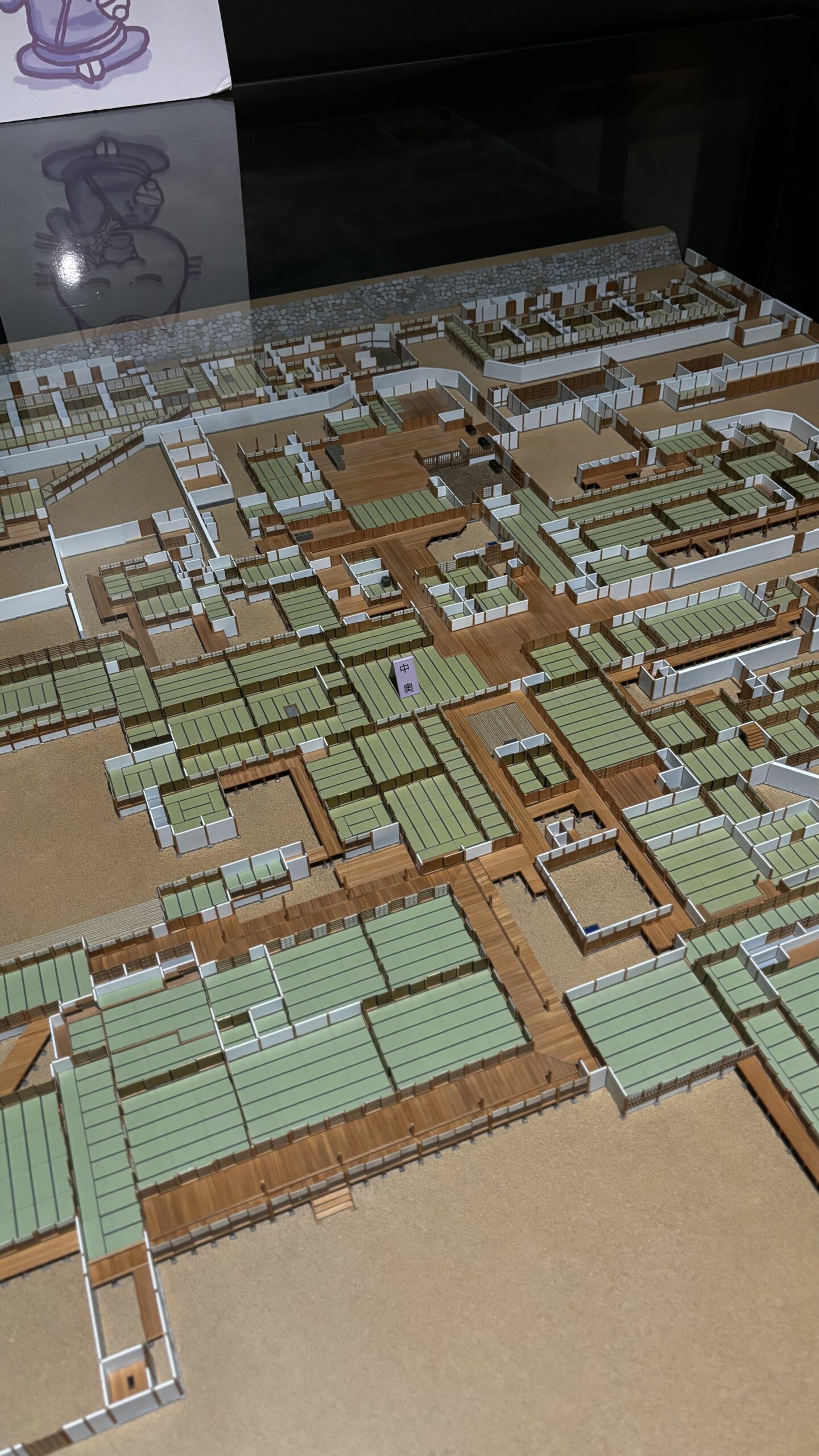
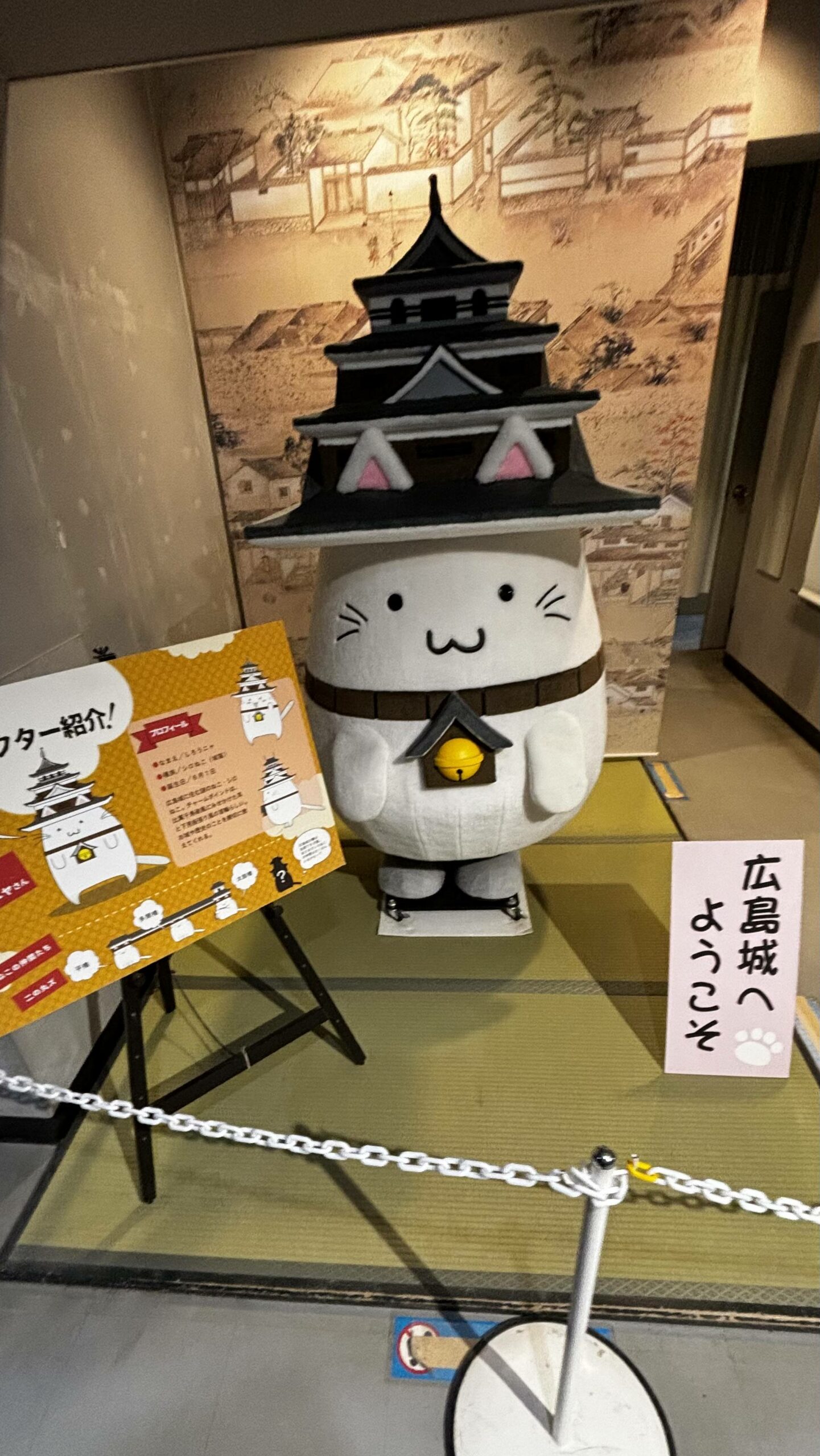
On the first floor, the introduction hall welcomes guests by showing the castle’s establishment and roles. The exhibit displays explain Mori Terumoto’s role in the feudal power struggle of the late 16th century. Visitors are encouraged to try on a kabuto samurai helmet and are given the chance to purchase items from the gift shop. A cute mascot known as Shiro-nya is also featured at the exhibit enhancing the castle’s charm. Walking around visitors can view a scale model of the original fortress showcasing its complexity and style.
The second floor focuses on the castle town life and culture. Visitors are able to learn more about the lifestyle and daily routines of Hiroshima’s ruling class. A replica recreates a feudal lord’s room complete with tatami mats, low tables and a suit of armor positioned in a defensive stance. This floor creates a personal feel that lets guests imagine life behind the wooden walls.
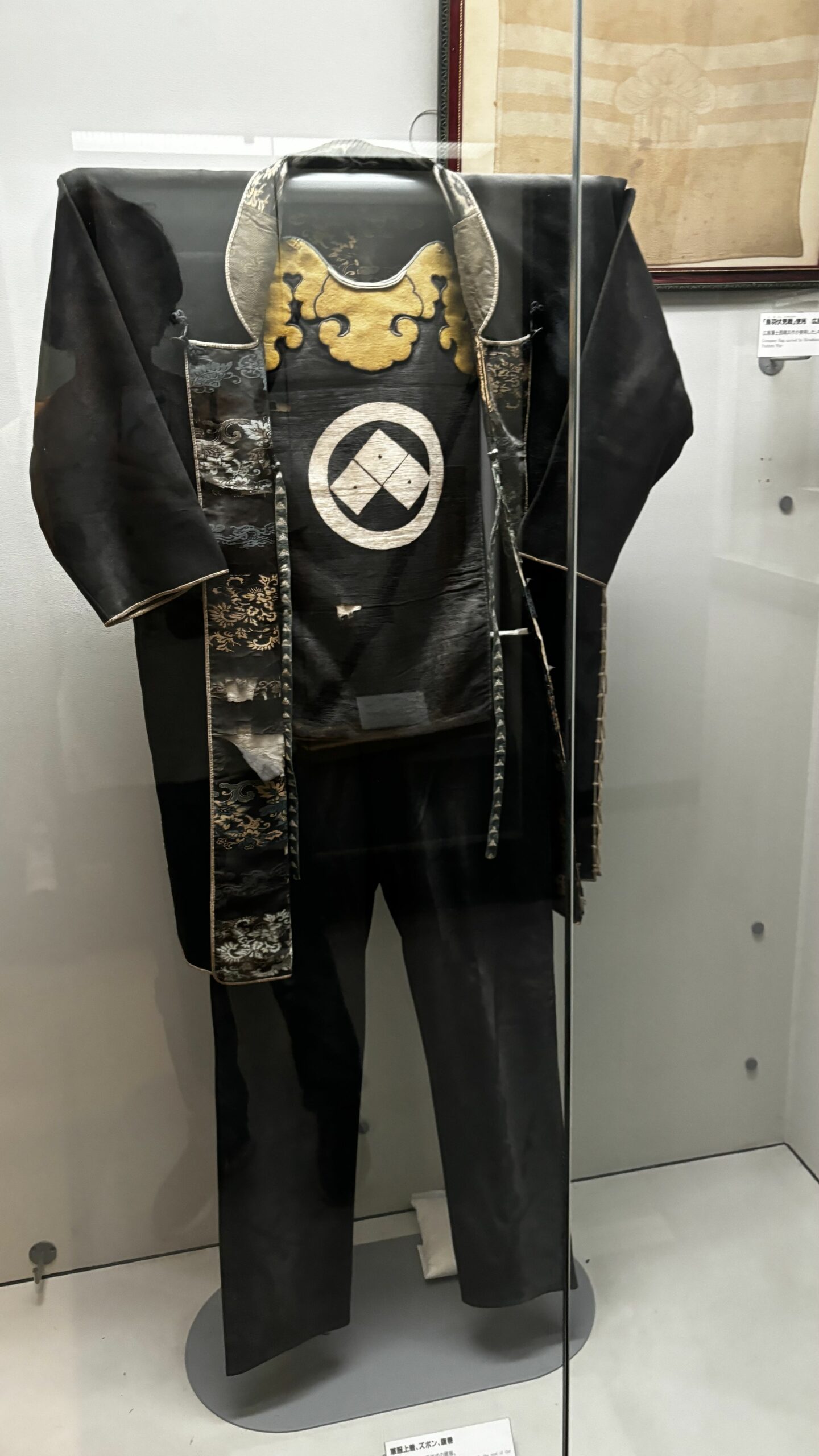
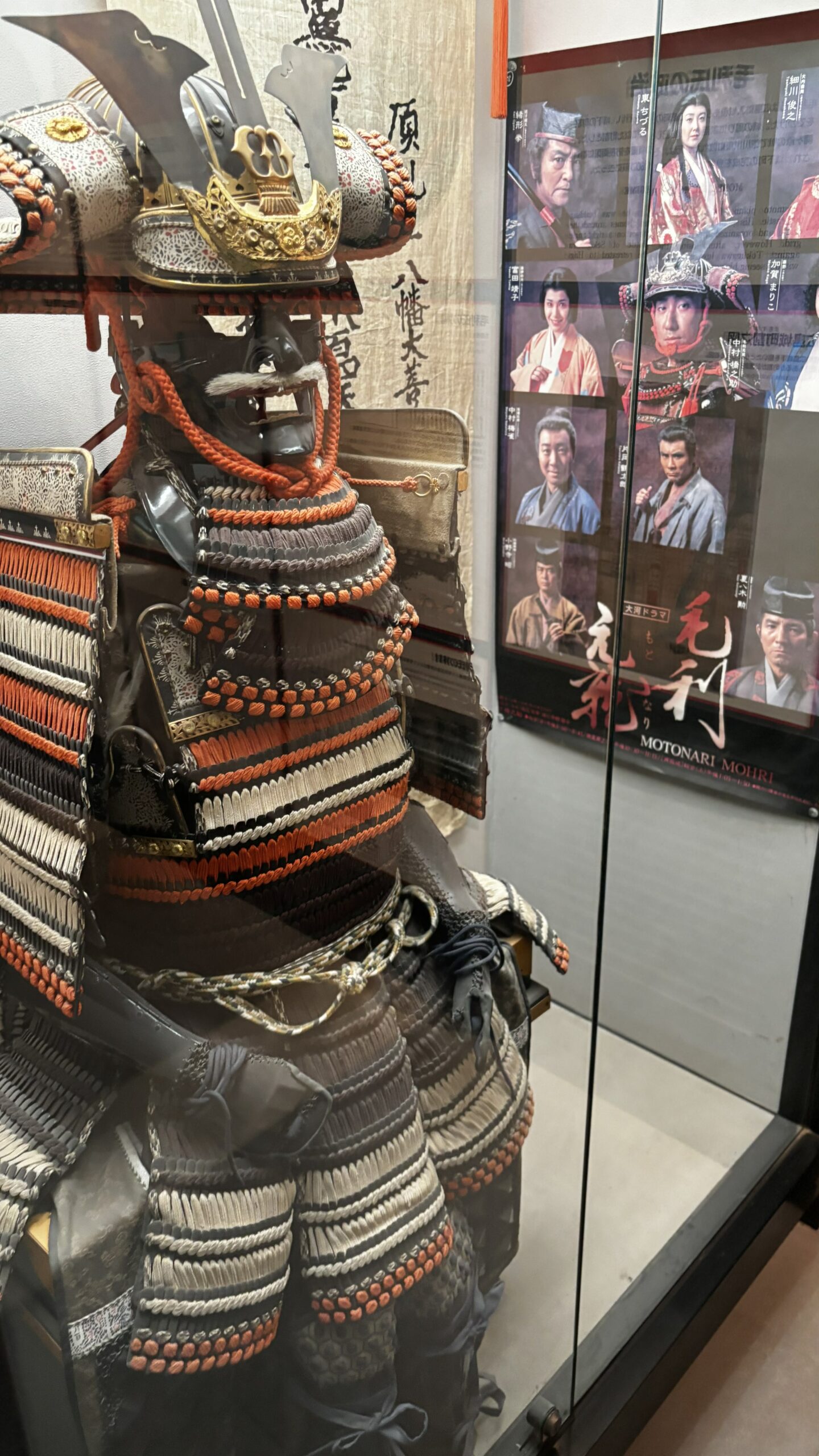
On the third floor, historic weapons, armor and artifacts from the Sengoku and Edo periods are showcased. One unique feature on this floor is the katana collection reflecting samurai culture. Guests have the opportunity to hold a replica samurai sword secured with hand guards, giving visitors a sense of its weight and how it feels.
The fourth floor shifts to the general history and culture of Hiroshima. The exhibit describes the city’s transformation from castle town to industrial hub and its catastrophic destruction during the World War II. The mood on this floor grows somber but remains hopeful. Visitors pause before a photographic timeline that connects centuries of strong resilience revealing Hiroshima’s ability to rebuild and remember.
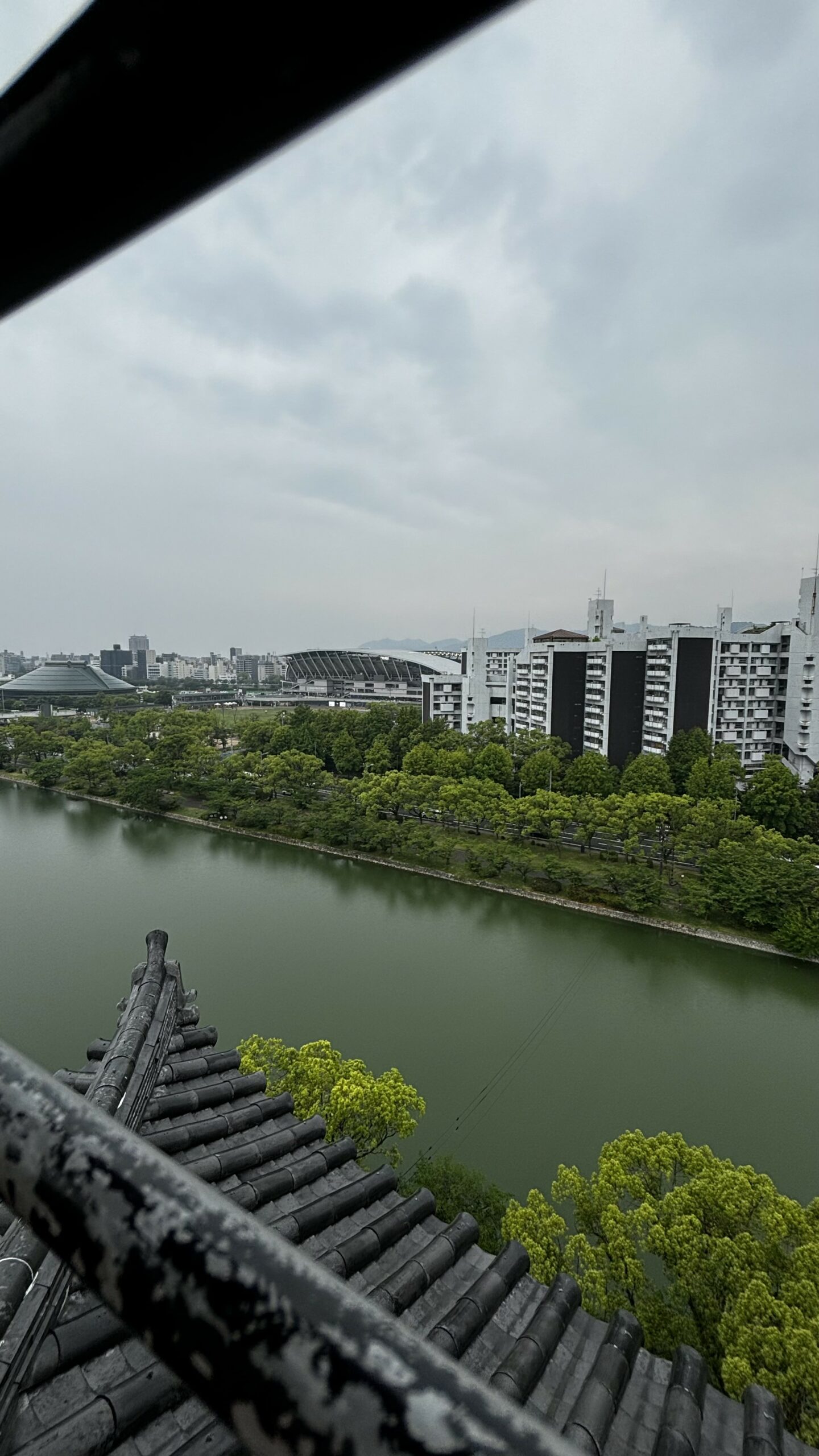
The final floor rewards visitors for the climb with a beautiful view overlooking the surrounding city of Hiroshima. The nearby urban city, beautiful parks, local river network and distant mountains can be seen from this floor.
Hiroshima Castle offers a fascinating historic experience like no other that tells a story of war, peace, tradition, destruction and rebuild. The castle invites visitors to explore and learn about its rich historic past. The castle stands as a strong symbol of Japanese culture and heritage immersing visitors on each floor.
About The Author








