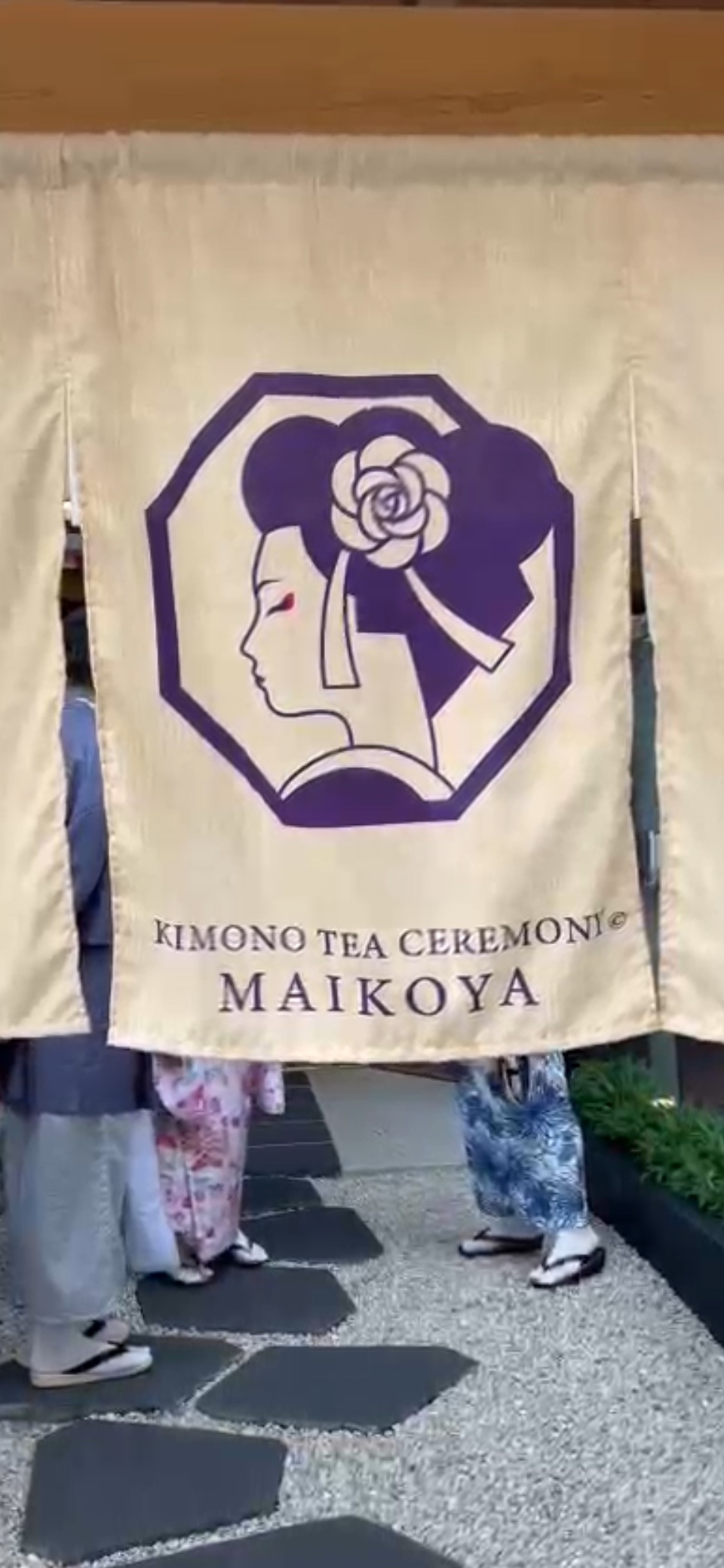
Screenshot
Dating the Heian period (794 to 1185 CE), the traditional Japanese clothing, kimono, have been a part of Japanese heritage for thousands of years. The kimono is more than just clothing; it’s also a cultural emblem that is engrained in the identity of Japanese culture.
The Japanese word for clothing is kimono. This T-shaped garment was traditionally worn by commoners and lower class citizens while aristocrats would wear them as undergarments. Geisha and maiko (traditional Japanese performers) would be required to wear a kimono as a part of their profession, while rikishi (sumo wrestlers) would be required to wear one at all times while in public. They can also be worn for a variety of occasions including weddings, funerals, graduation ceremonies, new year holidays and tea ceremonies.
While the full kimono is different for men and women, they generally consist of the same pieces. The most basic piece of the kimono is called the nagagi. This is the main portion that covers the majority of the body. The next piece is called the obi or belt. This is the tie that keeps everything in place. The final piece to the puzzle is the haori, a traditional Japanese jacket that is worn over the top of the nagagi.
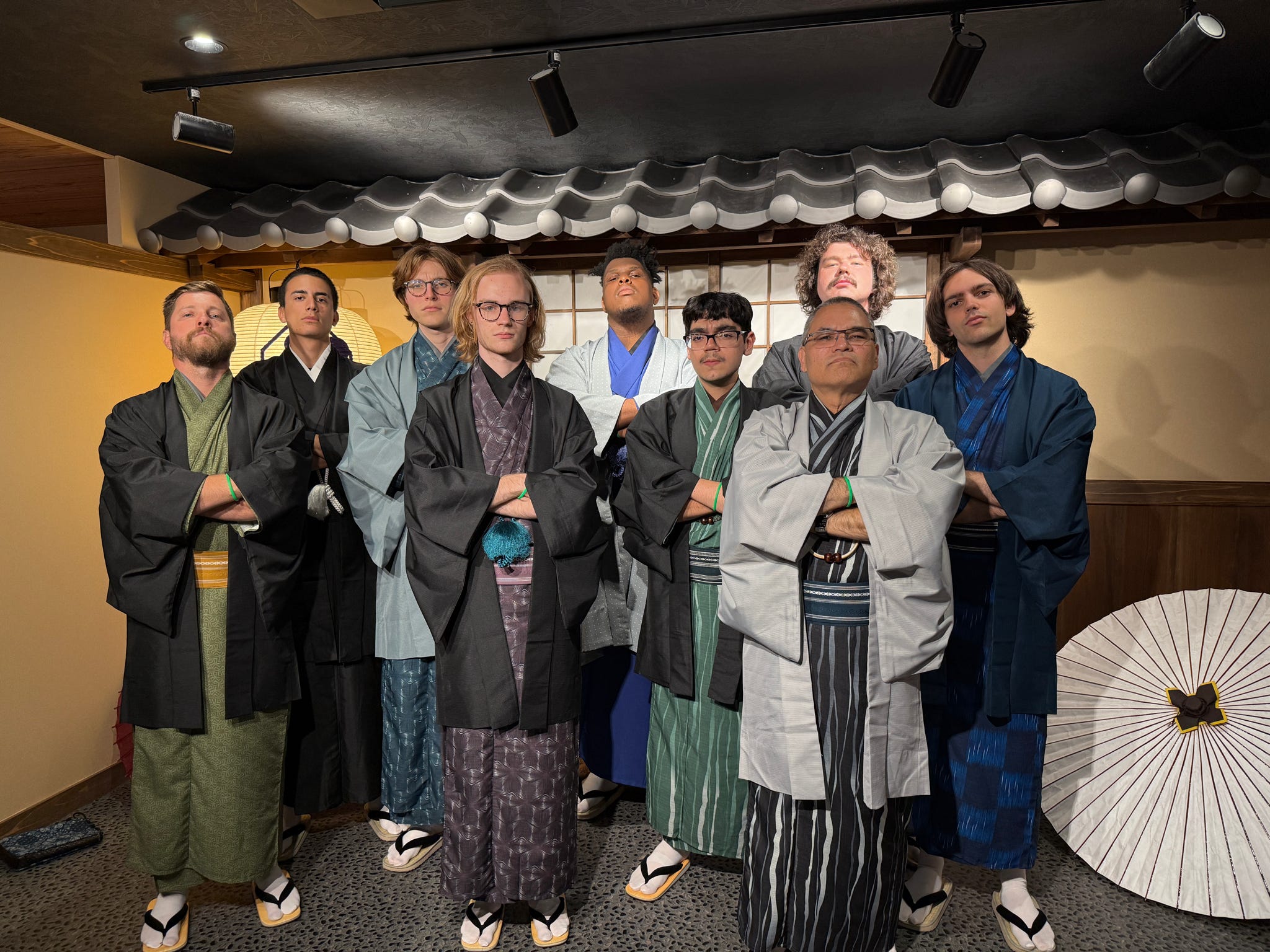

If you’re looking to dress in this Japanese style, make sure you do some research beforehand. While getting to say that you are the proud owner of your very own kimono would be pretty cool, finding a nice quality kimono doesn’t come cheap. Be prepared to spend up to 100,000 yen (approximately USD $680) or more for an authentic Japanese kimono. Thankfully, Japan is full of places where you can go to rent a kimono.
The students of SJMC Japan got to go to Maikoya’s while staying in Kyoto. This is one of the many places across Japan that rents kimonos. What’s special about this place is that after renting your kimono, you can walk next door and experience an authentic Japanese tea ceremony.
During the ceremony, guests learn the cultural significance of the kimono and tea ceremonies while getting to make their own matcha tea. From the sweets that you consume before drinking your tea, to the way you take your last sip of tea loudly to signify that you’re finished, this place will teach you everything there is to know. This sacred tradition lasts around 45 minutes and prices range anywhere from 3,000 yen (about USD $20) to 7,300 yen (about USD $50 dollars). The shop will give you everything you need from the tabi socks to hair pins for holding your hair in place. While much of the ceremony is kept respectful and quiet, there are opportunities throughout to take photos.
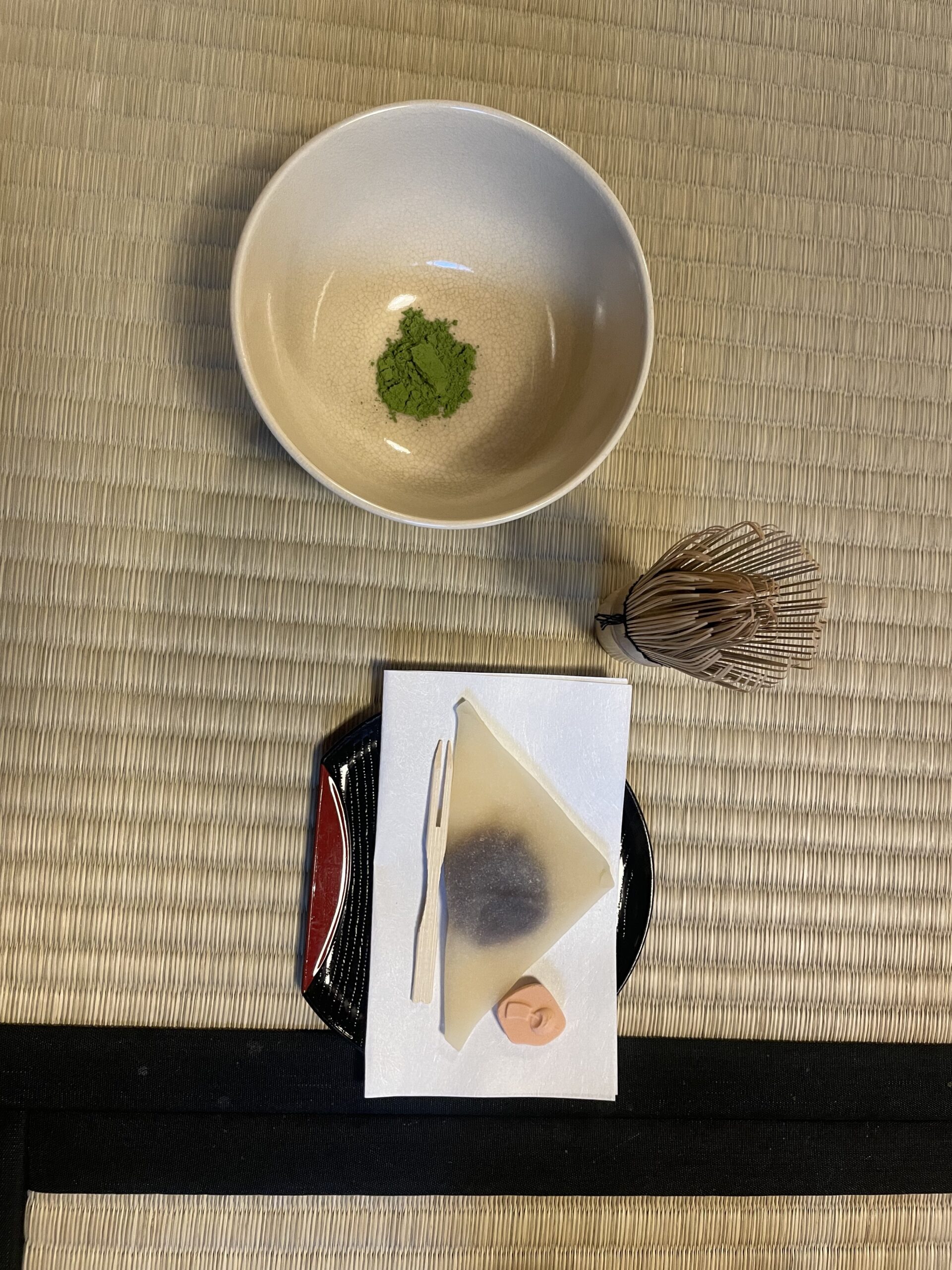
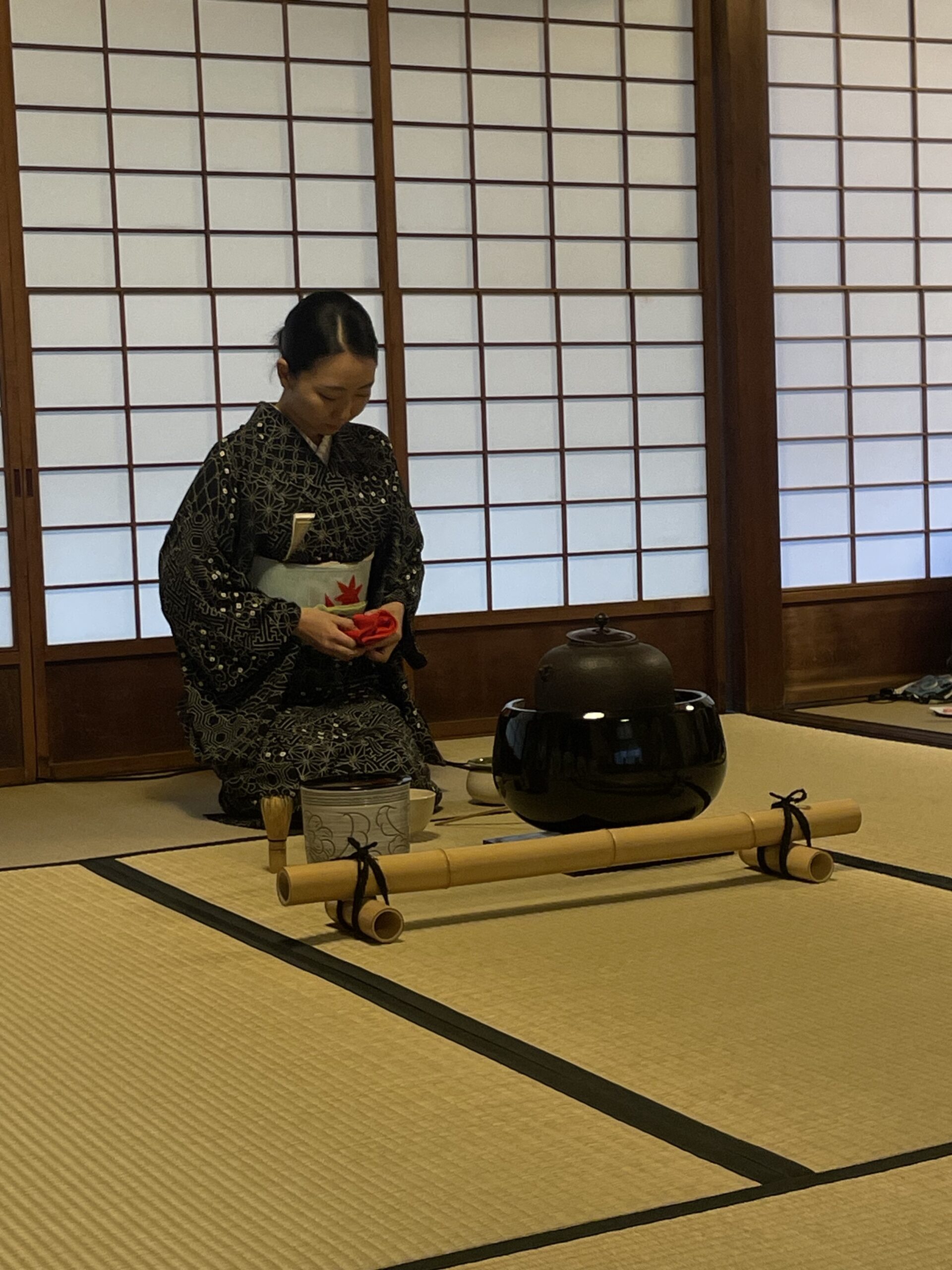
While getting to keep such an important piece of Japanese culture such as the kimono would be amazing, renting a kimono is just as exciting. Getting to experience such a culturally significant ceremony while dressed in some of the most traditional and iconic garments of Japan is a once-in-a-lifetime opportunity that is too good to pass up, especially for SJMC Japan students.
With all of the rental places that are dotted around the city of Kyoto, it makes it very easy for anyone to find the perfect kimono experience that fits their desires.
About The Author