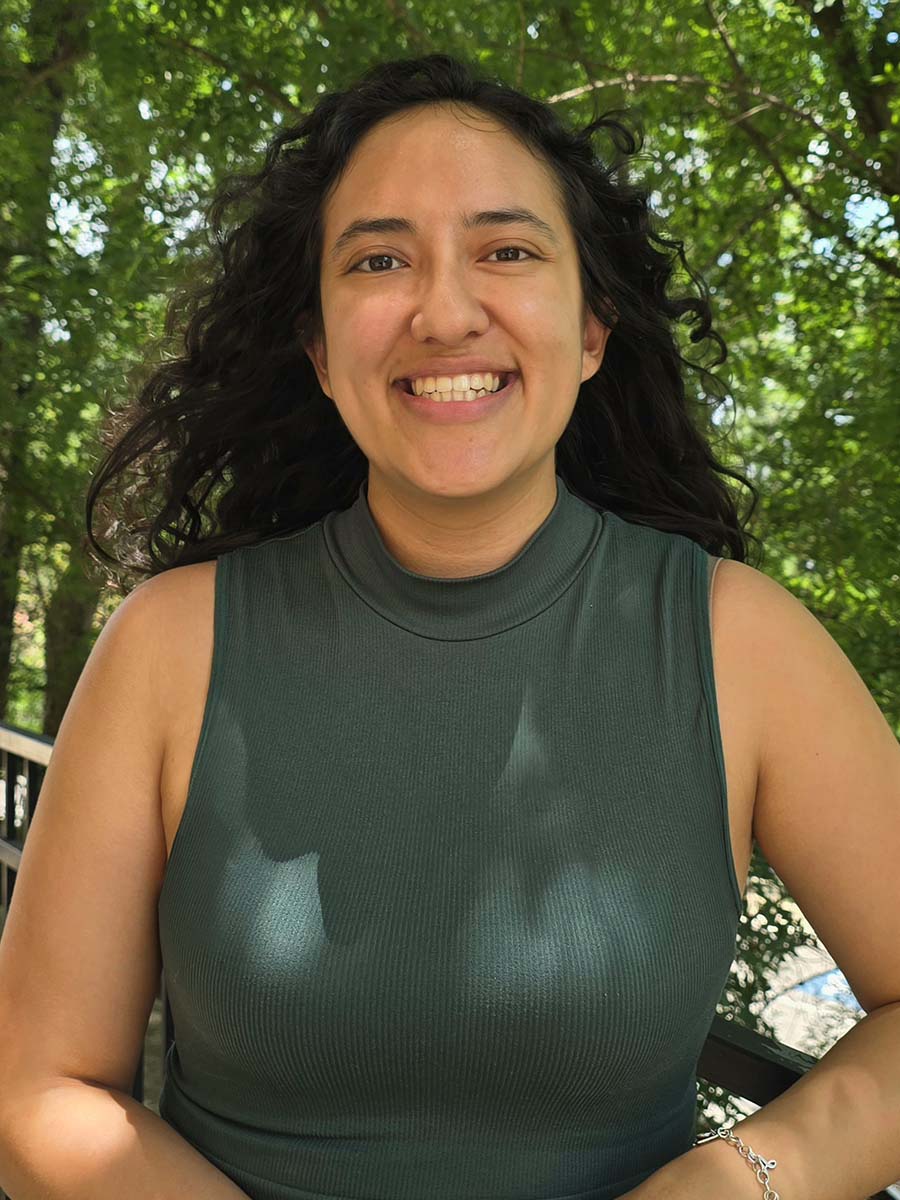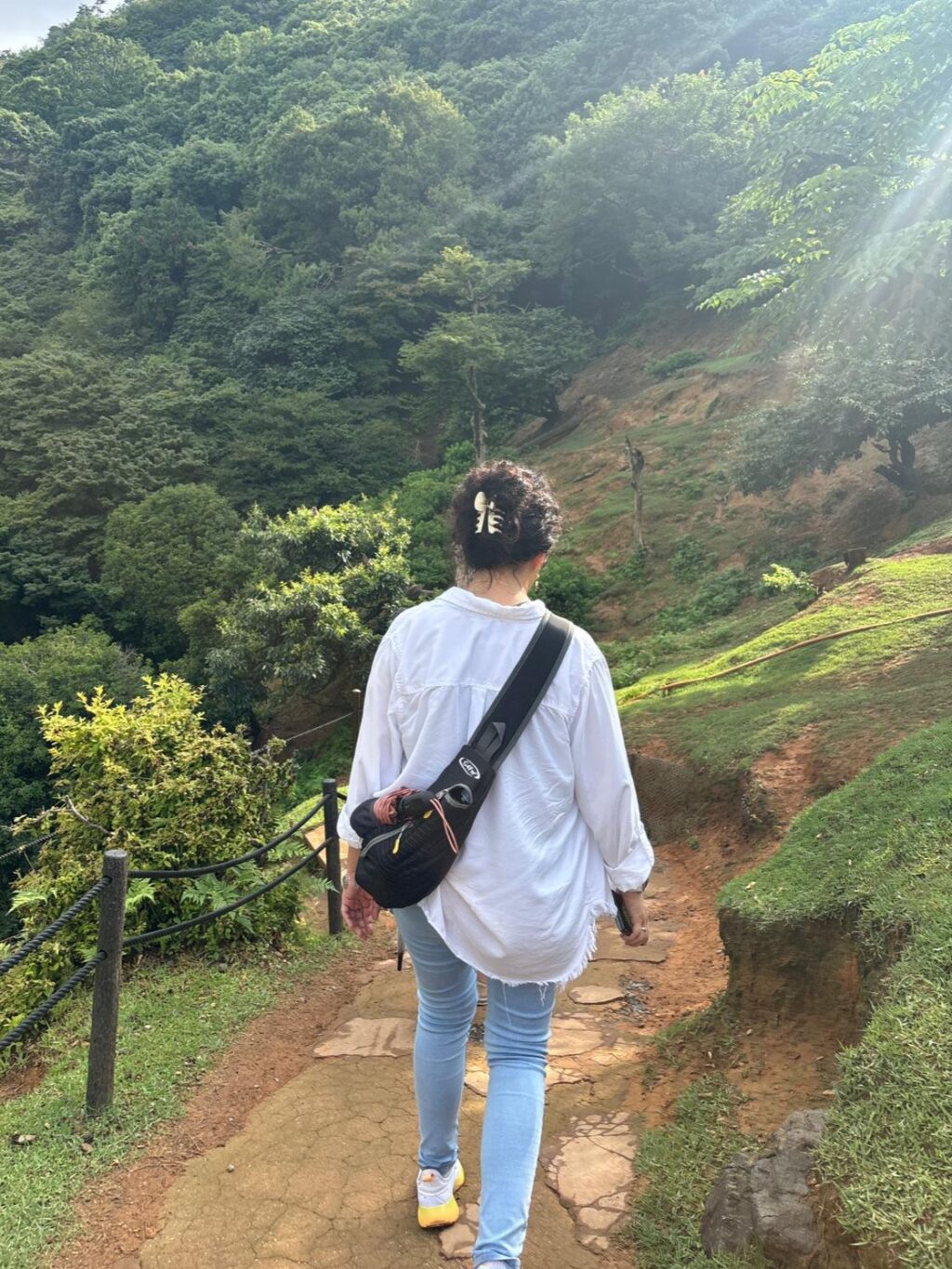
This trip came at a particularly turbulent time in my life.
My mom had just purchased her first home and needed help with the move. My little sister, preparing to start college, was searching for a dorm. I had just completed my first semester of graduate school and felt especially anxious about how I would fit in with the undergraduate students. I was expected to manage and review the class website and social media submissions, serve as a mentor and act as a point of contact when a professor wasn’t available—yet I was younger than two of them. I worried about connecting and making friends while still maintaining professional boundaries.
The first few days confirmed my fears. Students would invite me out to dinner or an evening excursion that I would repeatedly turn down, since my nights were reserved for editing the day’s blog post. Soon, the offers stopped, but the feeling of isolation persisted.
Then we visited the University of Tokyo.
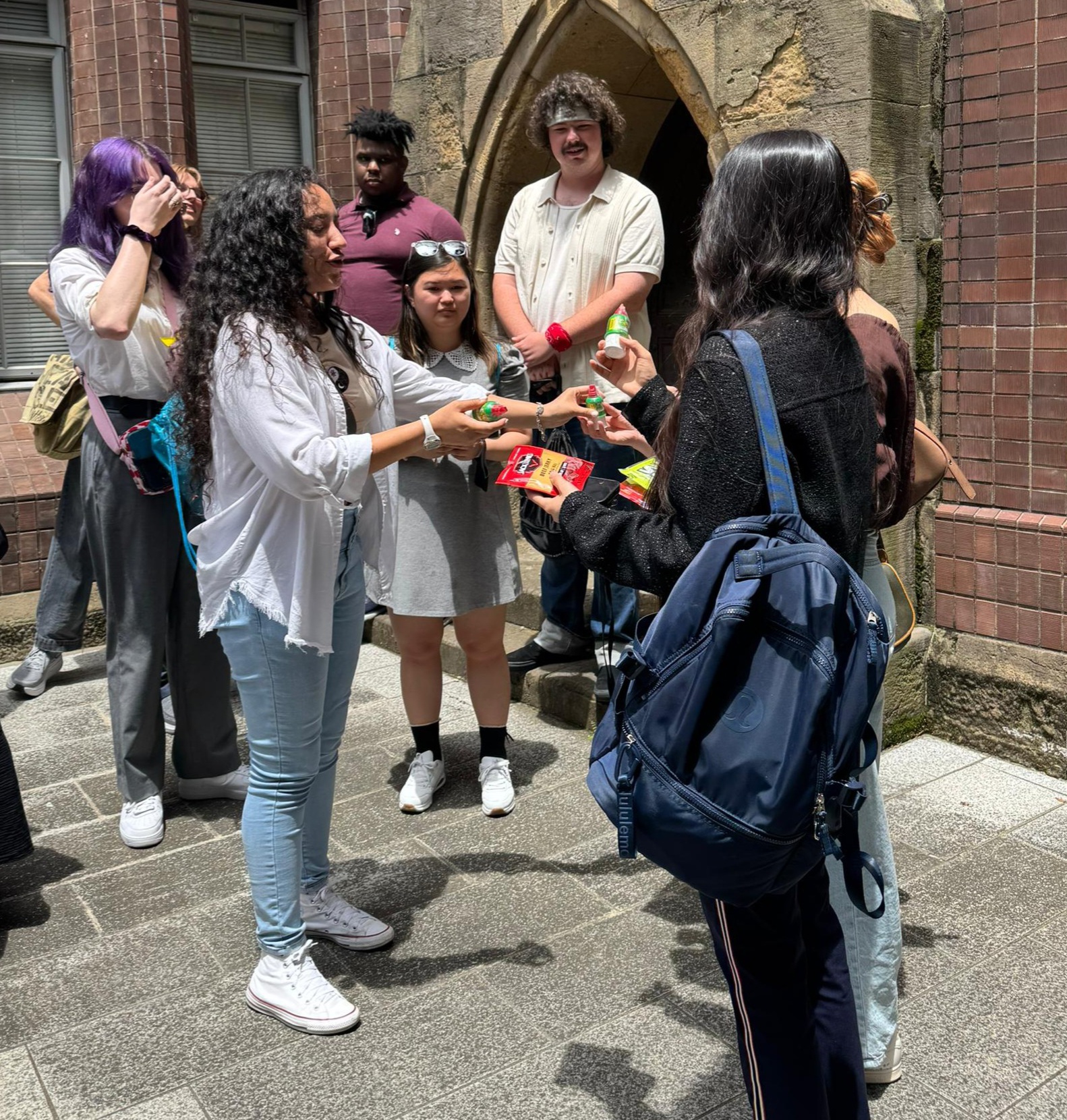
Sophomores Becky Wang, Kurumi Suzuki, and Natsuki Tada led us on a campus tour and sat down for a rotation of interviews, where I asked what the hardest part of university was for them. I expected course load, internships or even juggling a part-time job.
All three said the same thing: making friends.
Wang, who grew up in China, shared the differences she noticed in cultural expectations and how it made socializing difficult in Japan. People are so mindful of not imposing on others and maintaining their roles that it often leads to unintentional self-isolation. It felt like she was speaking directly to me.
It might sound silly, but one of the greatest things I learned in Japan—a place I expected to be completely different—was just how much we had alike. Knowing that Wang also struggled to make friends made me feel less alone. She and the others explained how joining clubs helped them connect, and it reminded me of a shared interest I’d been overlooking.
I got into anime during the pandemic. To this day, it’s a way for my sister and I to bond while I’m away at school. Most of the students on the trip were anime fans, so I started conversations around that. I learned to manage my work more efficiently so that I could get assignments done and also spend time with my peers. Many visits were punctuated with anime references; many temples compared to Studio Ghibli films, and from there, the connections grew.
Some students even took a night trip to Shibuya Crossing, an iconic intersection in Tokyo and the main setting of season two of “Jujutsu Kaisen,” a popular anime. That’s probably why the following quote persisted in my mind, said by Nanami Kento, one of the characters from the show:
“Finding more fallen-out hairs on your pillow, watching your favorite stuffed bread disappear from the convenience store—the accumulation of those little despairs is what makes a person an adult.”
Although it may sound depressing, the quote explains how growing as a person isn’t a single, defining moment, but rather a series of small, often emotional, experiences that collectively lead to a greater understanding of life’s realities. It’s the small struggles, and the small joys, that transcend culture and language. Like the random high school students we ran into on the subway, who saw Cat Chan with a Chiikawa keychain, and, despite the language barrier, bonded through showing off their matching plushies in a hilarious back and forth showdown.
It’s also the big struggles that can bring people together. I realized that on our visit to the Hiroshima Peace Memorial Museum just two months shy of the 80th anniversary of the dropping of the atomic bomb.
I had done a lot of research in preparation for that day, especially since it was the program’s first time including Hiroshima on the itinerary, but I might as well have done nothing at all with the way I was affected by every exhibit.
I truly think I came out a different person than when I went in. I realized that, for all my research, I never truly understood what an atomic bomb was. It wasn’t just a word or even a weapon of mass destruction—it’s just grief. It was the feeling of your throat closing up and the desperate need to call your mom.
As if that wasn’t enough, I then had to revisit the moment to help Azuli Rodriguez with her daily blog post.
Then again with Trinity Eilert’s Instagram story.
And again, when reading over Miya Coleman’s feature article.
That day taught me that, amidst the fluff pieces and the informational stories, there are also the heavy hitters—the ones that must be handled with grace and depth. Most importantly though, it disabused me of my belief that writing followed a formula.
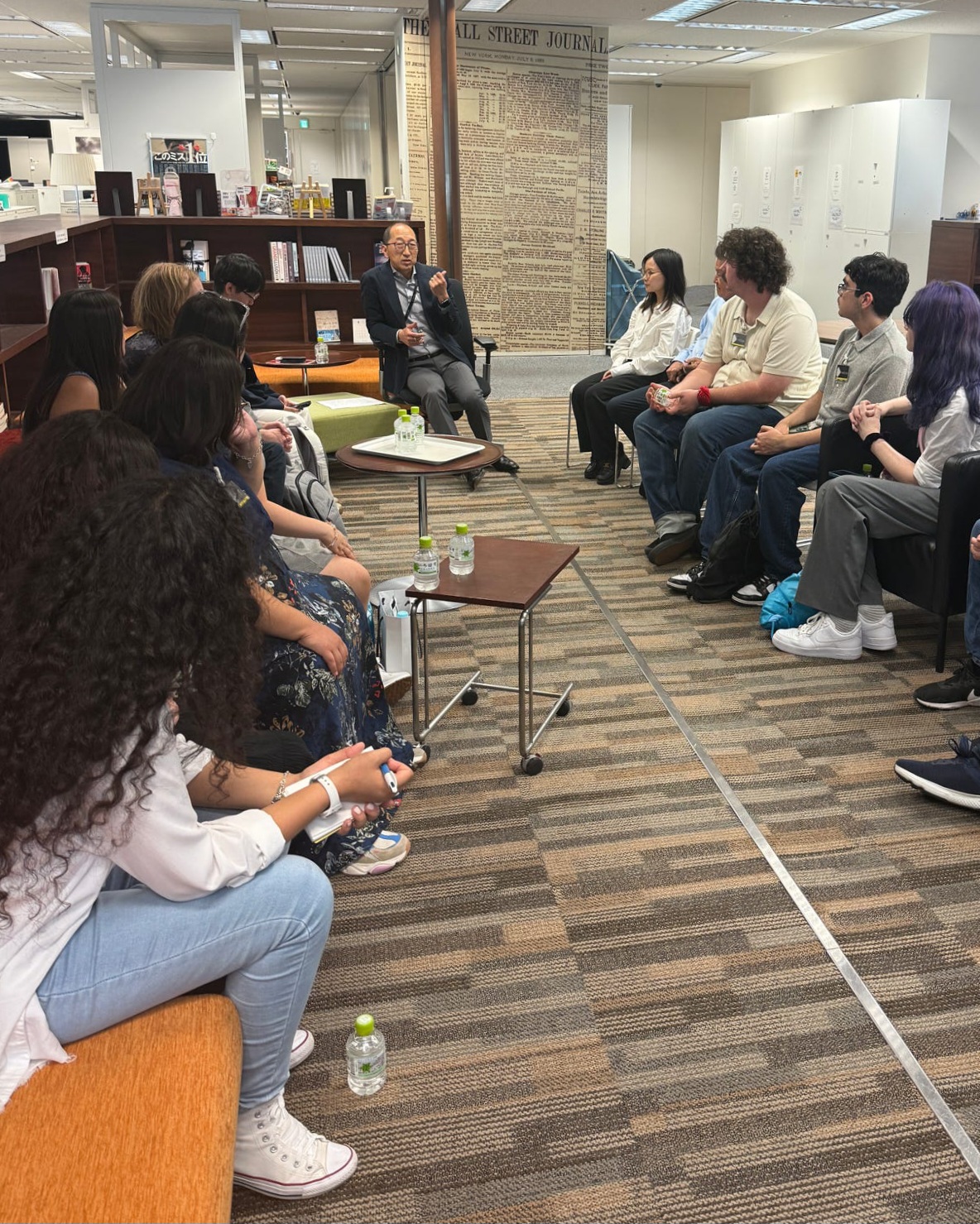
Though “climax, paragraph, quote, paragraph,” still forms the backbone of most of my outlines, I’ve come to see that every story demands its own approach: The memorial taught me the nuance that exists in storytelling and the many different connotations a word can hold. Kubota, a journalist from the Kyoto Shimbun, stressed that the characters make the story. George Nishiyama, managing editor of the Tokyo bureau of the Wall Street Journal in Tokyo, explained how he and his journalists wrote with the audience in mind. Yuriy Humber, president of the Yuri Group, emphasized accuracy, clarity, practicality and brevity. All these visits forced me to recognize that writing is fluid, not formulaic. This trip breathed new life into a skill I thought I understood and revealed how much more I had left to learn.
It’s all very exciting.
Every night, after editing the blog post and brainstorming a headline, SJMC Japan Academic Program Director Gilbert D. Martinez would ask, “But can we do better?”
His voice still echoes in my head.
Now, when I read over my work, I find myself switching out words to see if I can get my point across clearer, quicker, better. Late nights spent editing alongside the professors and the undergraduates not only made me a stronger writer, but a faster one, too.
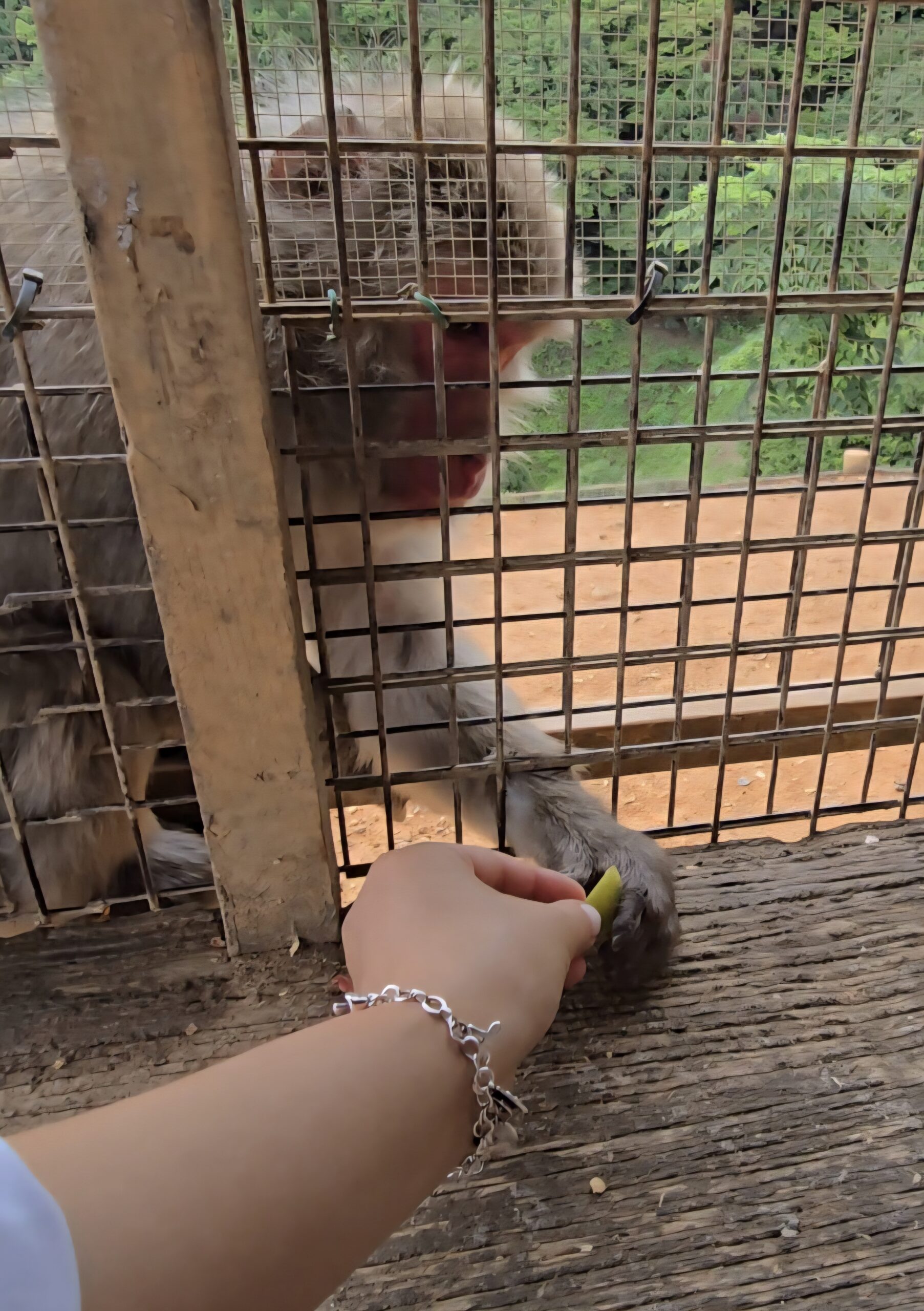
On this trip to Japan, I learned a lot of things I didn’t know before, such as the inner workings of the Wall Street Journal, how international media outlets differ from local papers, and that the shinkansen seats can rotate to face the row behind. I learned what sea urchin and eel taste like, what the Yuri Group looks for in interns, and that the hands of a Japanese macaque are surprisingly soft.
I’m grateful to the companies that opened their doors to our group and explained the intricacies of their craft. To Nishiyama for granting me an interview for one of my assignments, and to Patrick Grainger, the globalization representative at the Tokyo Fire Museum, whom I met through the program, for giving my dad and me a private tour during my extended stay. I’m thankful for my classmates, now friends, for making me feel included, and the professors, for their unrelenting support and compassion.
I’m grateful to our tour guide Akutsu Michio-san for pointing out the best foods to eat in each city, and to our manager Zoe Gu, for texting meetings points and train stop reminders. I would’ve been lost without them—in every sense of the word.
Most of all, I am grateful for Japan. For all the lessons I’ve learned about writing, the global media landscape, and myself.
Thank you for the unforgettable adventure.
About The Author