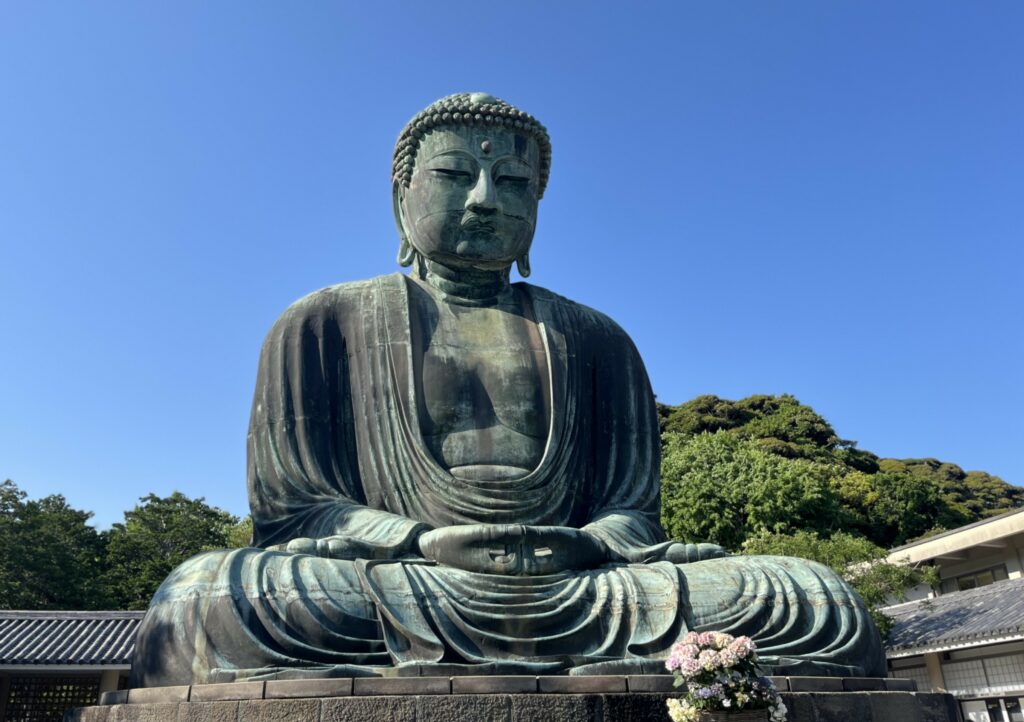
Having explored Tokyo for the better part of two days, SJMC Japan students took a charter bus and toured one of Japan’s most spiritual places: Kotoku-in, home to Daibutsu, known as the Great Buddha of Kamakura.
Construction of the 37-foot (not counting the base) seated Buddha statue began in 1252 and continued for approximately 10 years. Unfortunately, the structure that housed Daibutsu was destroyed by typhoons in 1334 and again in 1369. Students were visibly awestruck by the enormous Buddha statue. Graduate student Angie Vasquez had run ahead of the group to set up a camera and capture everyone’s reactions.
“Absolutely insane,” Vasquez said. “The moment I saw it, my first reaction was complete awe, and my second was thinking, ‘The class is gonna love this.'”
Numerous tourists, Japanese students and locals came to visit this temple to see this beautiful statue. Several of the SJMC Japan students paid 50 yen to step inside the statue for a closer look, while others browsed nearby stalls for souvenirs and good-luck charms. Unlike most Buddhist temples where photography is typically prohibited out of respect, here it was actually encouraged!
Students like Amanda Cabrera, an electronic media junior, were thrilled to be able to capture and share this beautiful view.
“It was crazy,” Cabrera said. “I was so surprised they’d even let us take pictures.”
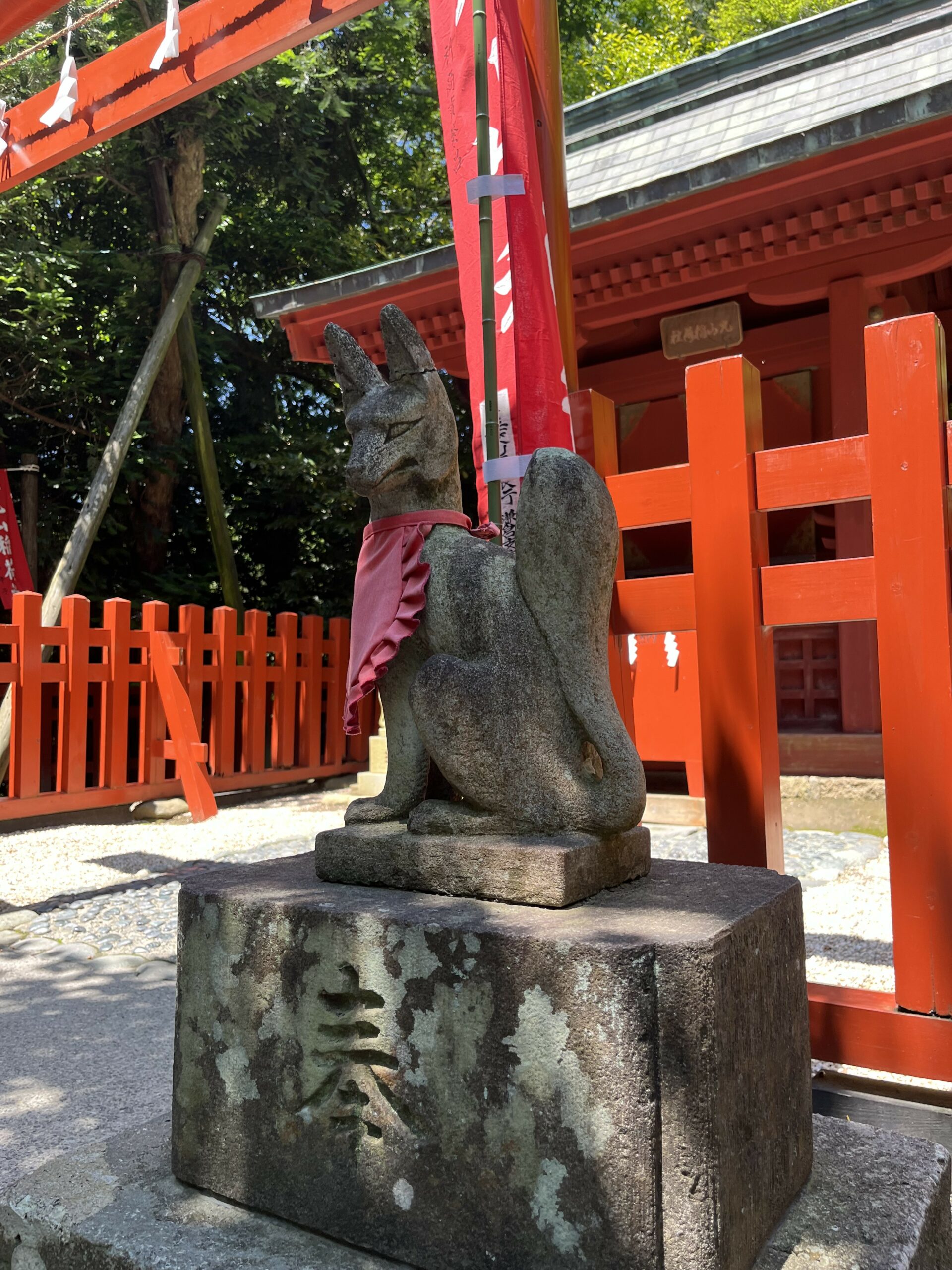
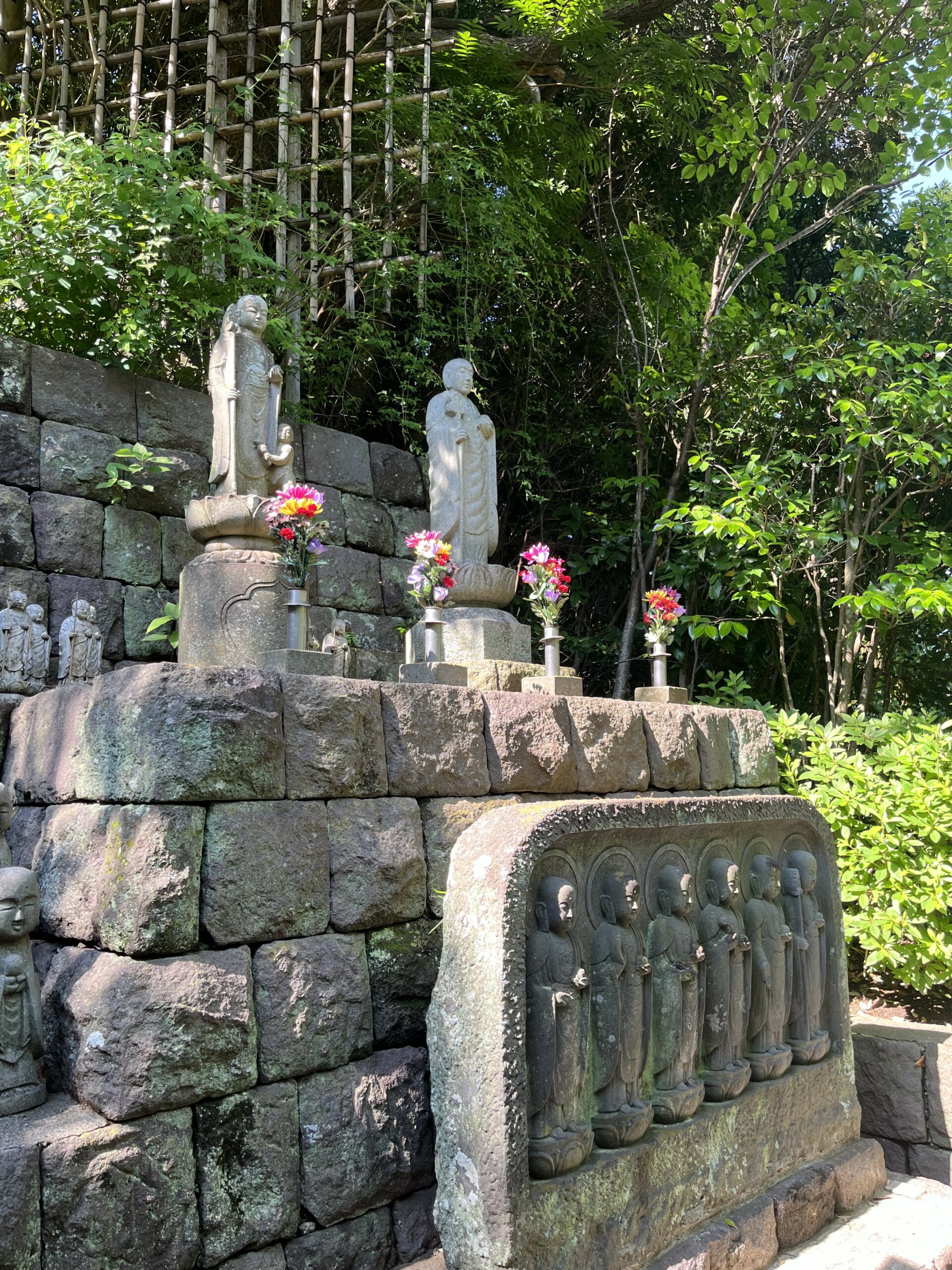
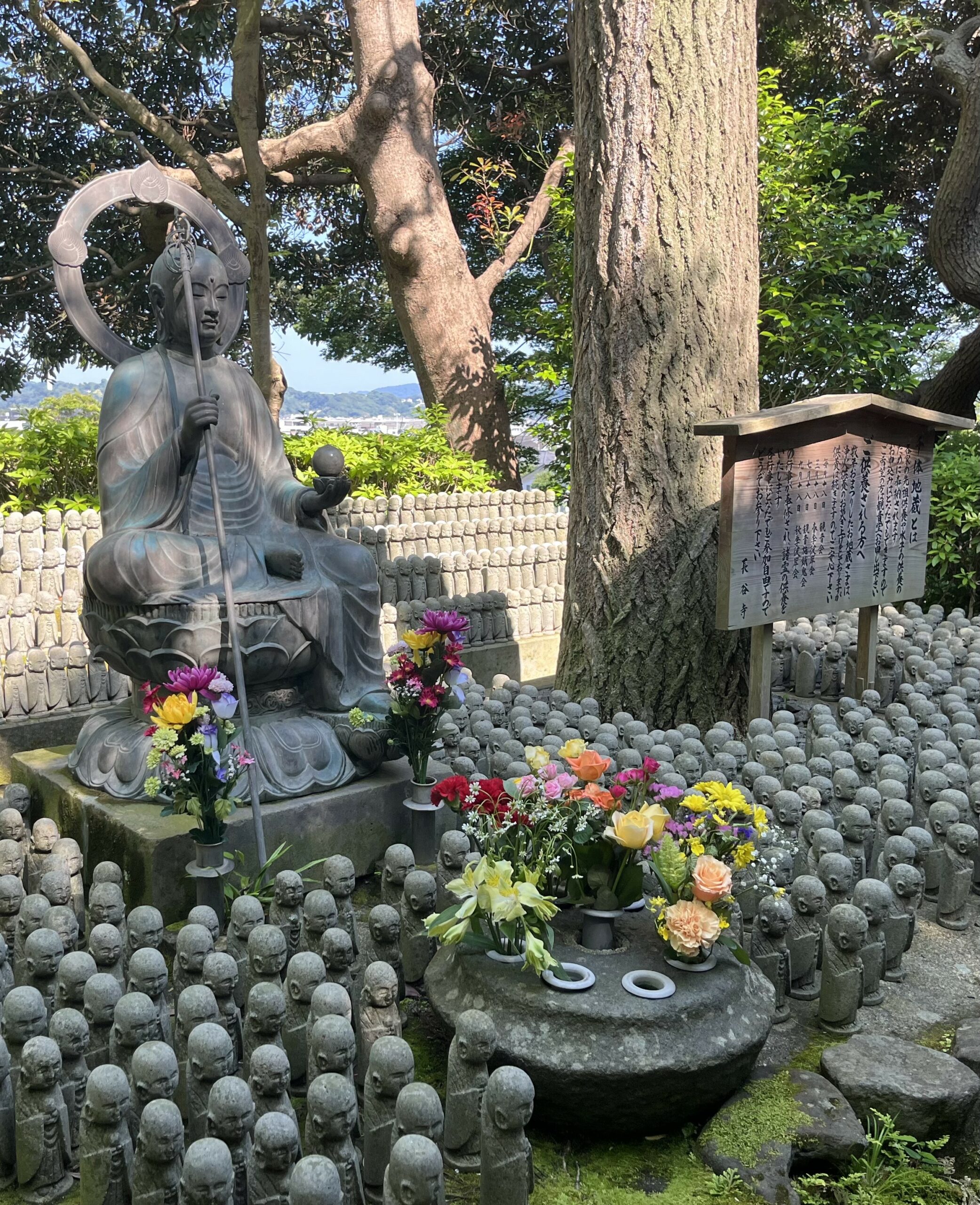
Just before visiting Daibutsu, students explored Hasedera Temple and the grand Kannon-do Hall. Unlike Shinto shrines, Buddhist temples often prohibit photography, and no pictures were allowed inside. The Kannon-do Hall houses an impressive 30-foot-tall statue of the eleven-headed Kannon, one of the largest wooden Buddhist sculptures in Japan.
The atmosphere marked another difference. Compared to the shrines, the temple is extremely quiet; In shrines, visitors typically bow twice and clap loudly twice to get the attention of gods and deities. In contrast, people in Buddhist temples usually do not make any sounds when they approach the Buddha and pray. Just outside the Kannon Museum lies the hydrangea path. It is on a hill filled with beautiful flowers. In June, during the rainy season, the path comes alive with 40 varieties of blooming hydrangeas.
Students were particularly excited to walk through Benten-kutsu Cave. This cave is named after a Benzaiten statue that was believed to be offered by Kobo Daishi, a Japanese Buddhist saint. The cave consisted of a series of tunnels with a significantly low ceiling. Arman Hopkins, an advertising junior and one of the tallest students from the SJMC Japan group, had a particularly interesting experience navigating the small space.
“I basically had to bow the whole time I was there,” Hopkins said.
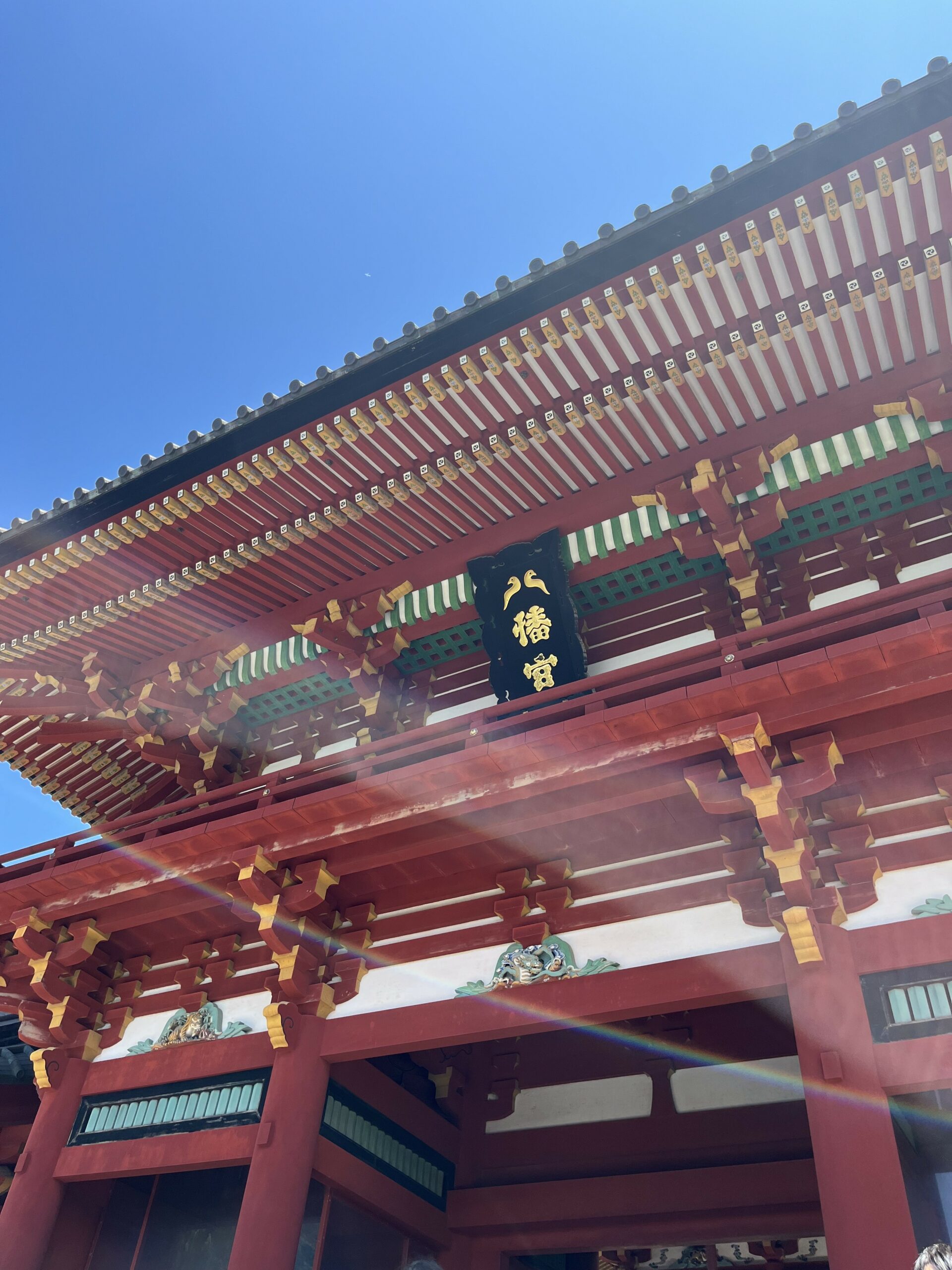
During the visit to Tsurugaoka Hachimangu, a Buddhist temple dedicated to the god of war, group tour guide Michio Akutsu shared many interesting facts with the SJMC Japan team. He explained to the class how Japanese people often visit shrines and temples requesting favors such as happiness and good fortune from the gods and deities.
On the bus ride back to Tokyo, Akutsu wrote everyone’s name in Japanese katakana on a dry-erase board; students were eager to snap photos of their written Japanese name.
It was a special way to end the day trip to Kamakura.
About The Author