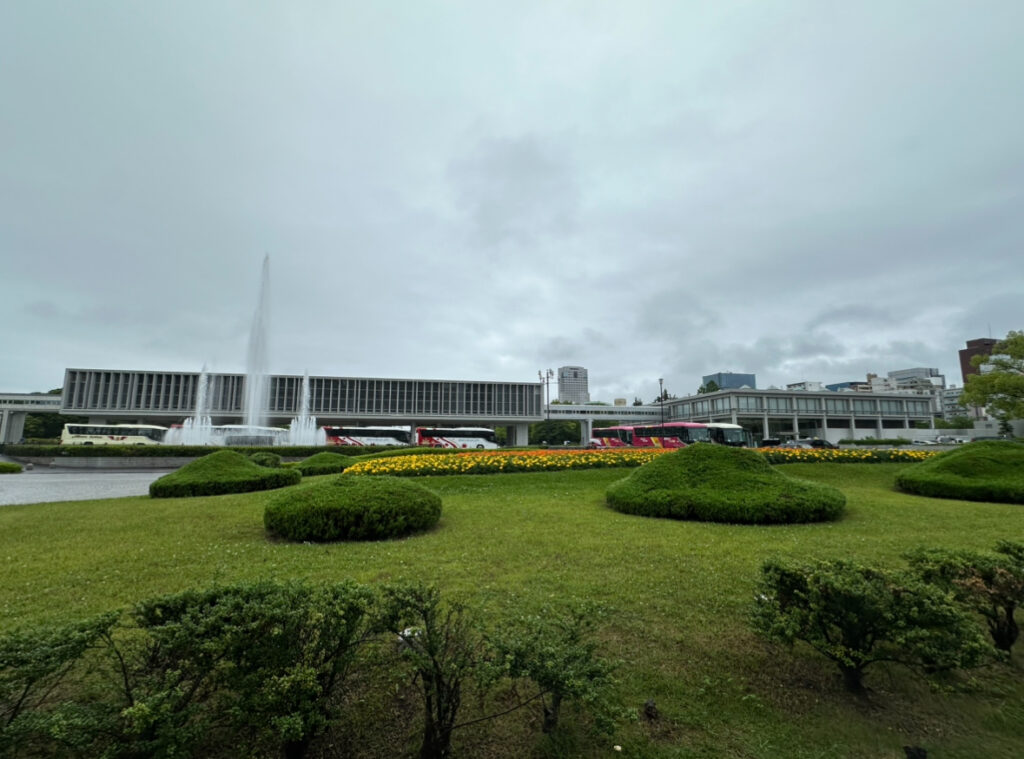
Situated across a busy street and adorned with beautiful flower bushes and lush greenery, Hiroshima Peace Memorial Museum’s impressive size draws attention from those who pass by and offers tourists and locals alike the history of a devastating day.
On August 6, 1945, the United States dropped the atomic bomb, dubbed “Little Boy,” on Hiroshima. Weighing 9,700 lb., the uranium gun-type bomb detonated around 1,900 feet near where the museum now sits, killing and maiming hundreds of thousands of people, with its effects still being felt to this day.
The mission of the Hiroshima Peace Memorial Museum is to communicate the damage caused by the bombing, thus pursuing the city’s deepest desires: the total eradication of nuclear weapons and the fulfillment of world peace.
The museum is open every day of the week, except for Dec. 29 to Jan. 1, and on three consecutive days in mid-February, with varying hours depending on the month. Entry is free for junior high school students and younger: 100 yen for high school students and 200 yen for adults and varying prices for large groups.
Visitors begin their tour in the east building by taking the escalator from the first to the third floor. Then they proceed to the main building through the connecting corridor.
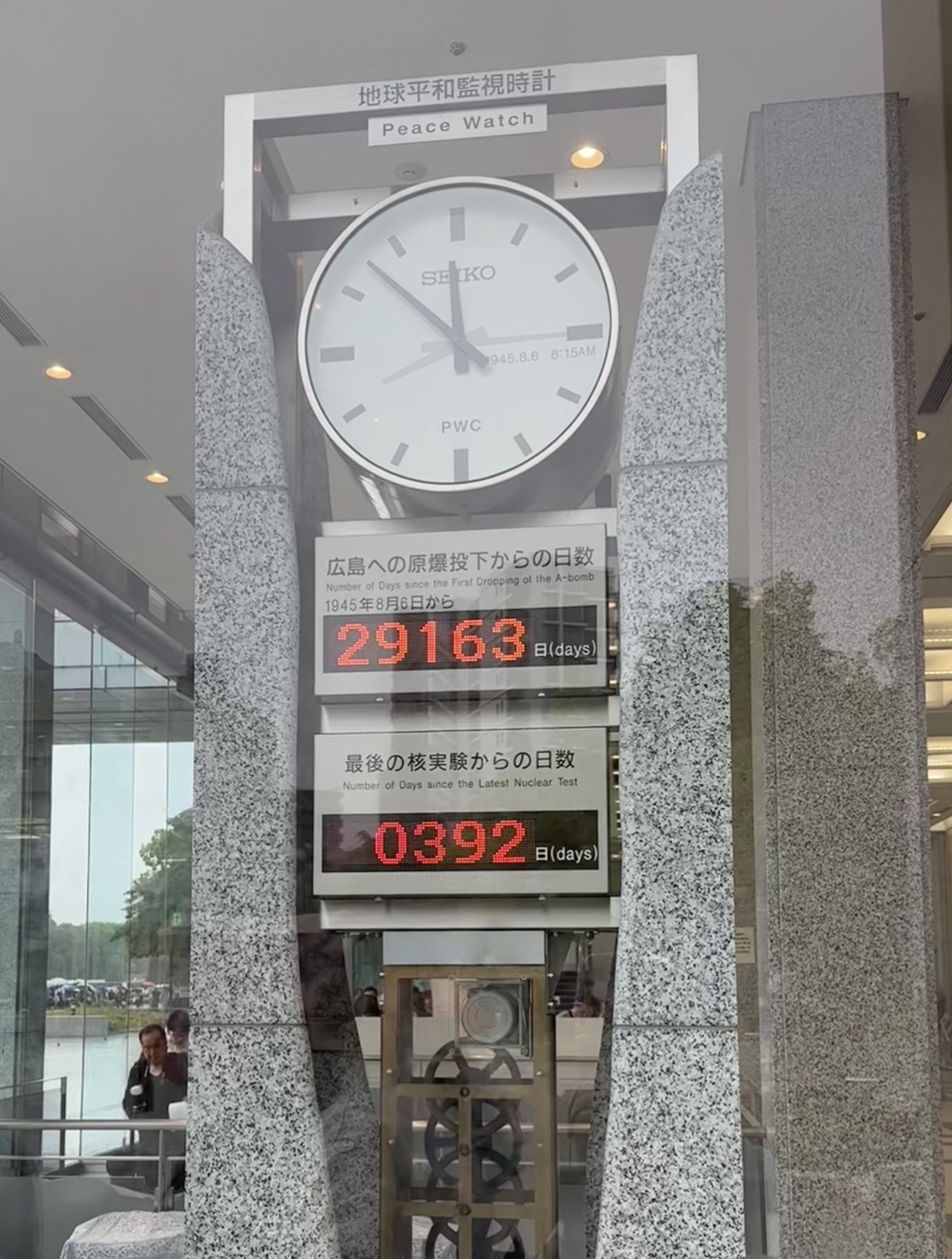
The museum is vast, with the east building having three floors and a basement.
Basement, B1F:
- Temporary exhibition room
- Library
- Peace Memorial Hall
- Meeting room (1)
- Meeting room (2)
The library, located in the basement, is filled with books both in Japanese and English about the bombing and related peace efforts. The temporary exhibition room often has speakers who hold discussions and presentations. Lastly, the hall is home to art, pictures and artifacts of Hiroshima.
Ground floor, 1F:
- Information counter
- Museum shop
- Ticket counter
- Audio guide rental
- Special exhibition room
- Information lounge
- Video theater
- Visitors lounge
The ground floor serves as the starting point, where visitors can either begin their journey to the exhibits or request more information about the museum and all it has to offer.
Second floor, 2F (Permanent exhibition):
- Hiroshima History
On the second floor, guests are educated about the rich history of Hiroshima and its pre-bombing state, such as the city’s military background. Photographs of citizens, agriculture and homes line the walls, taking visitors back in time.
Third floor, 3F (Permanent exhibition):
- Hiroshima before the bombing
- A lost way of life
- The dangers of nuclear weapons
- A-bomb survivor video testimony
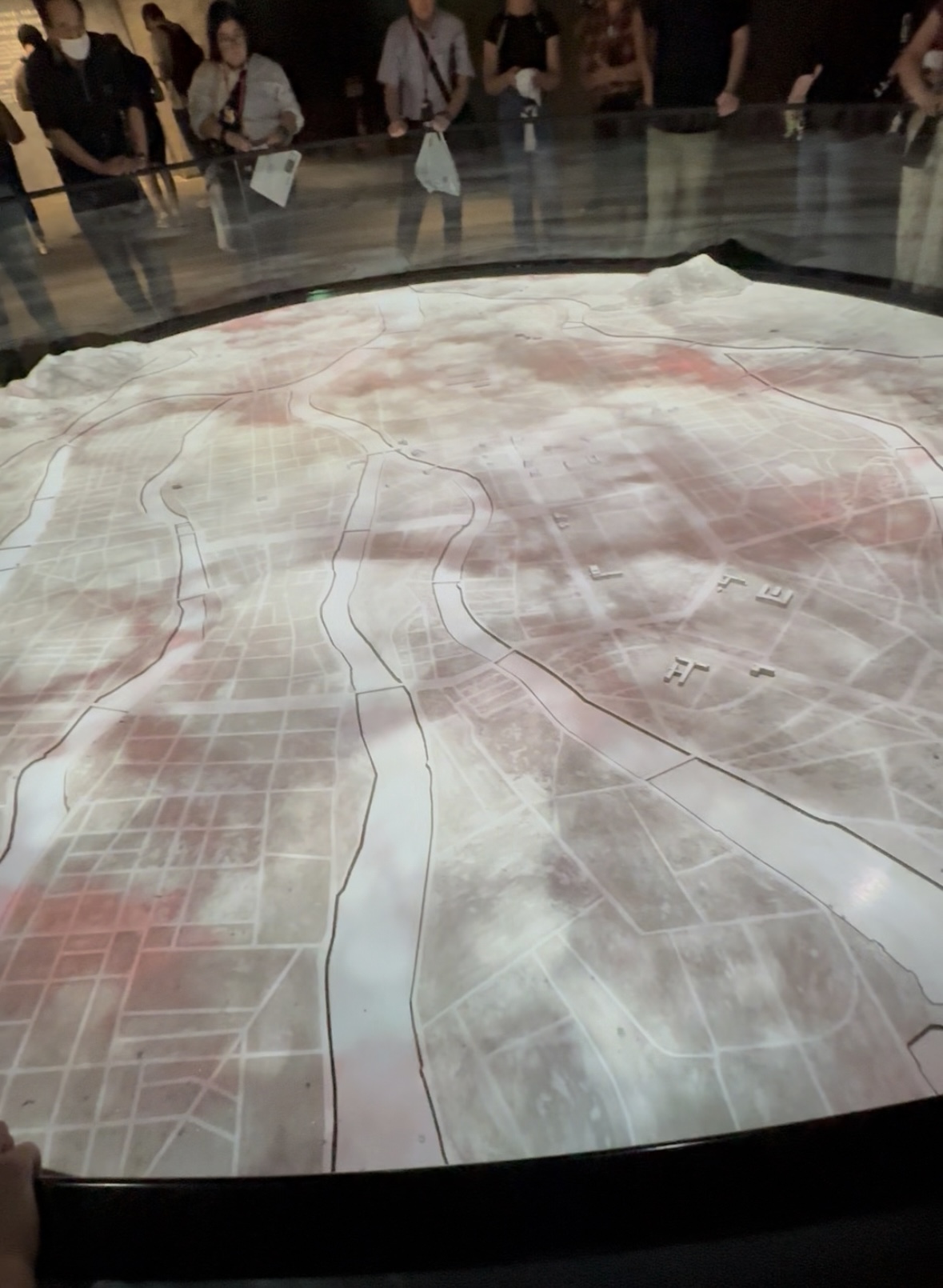
The four exhibits located on the third floor range from accounts of the city’s past residents, the horrors of the bombing, detailed information on nuclear weapons and survivor stories. A video diorama of the bomb detonating, and the subsequent mushroom cloud that loomed over the city, is played over and over again, giving visitors a sense of the bomb’s impact and destruction.
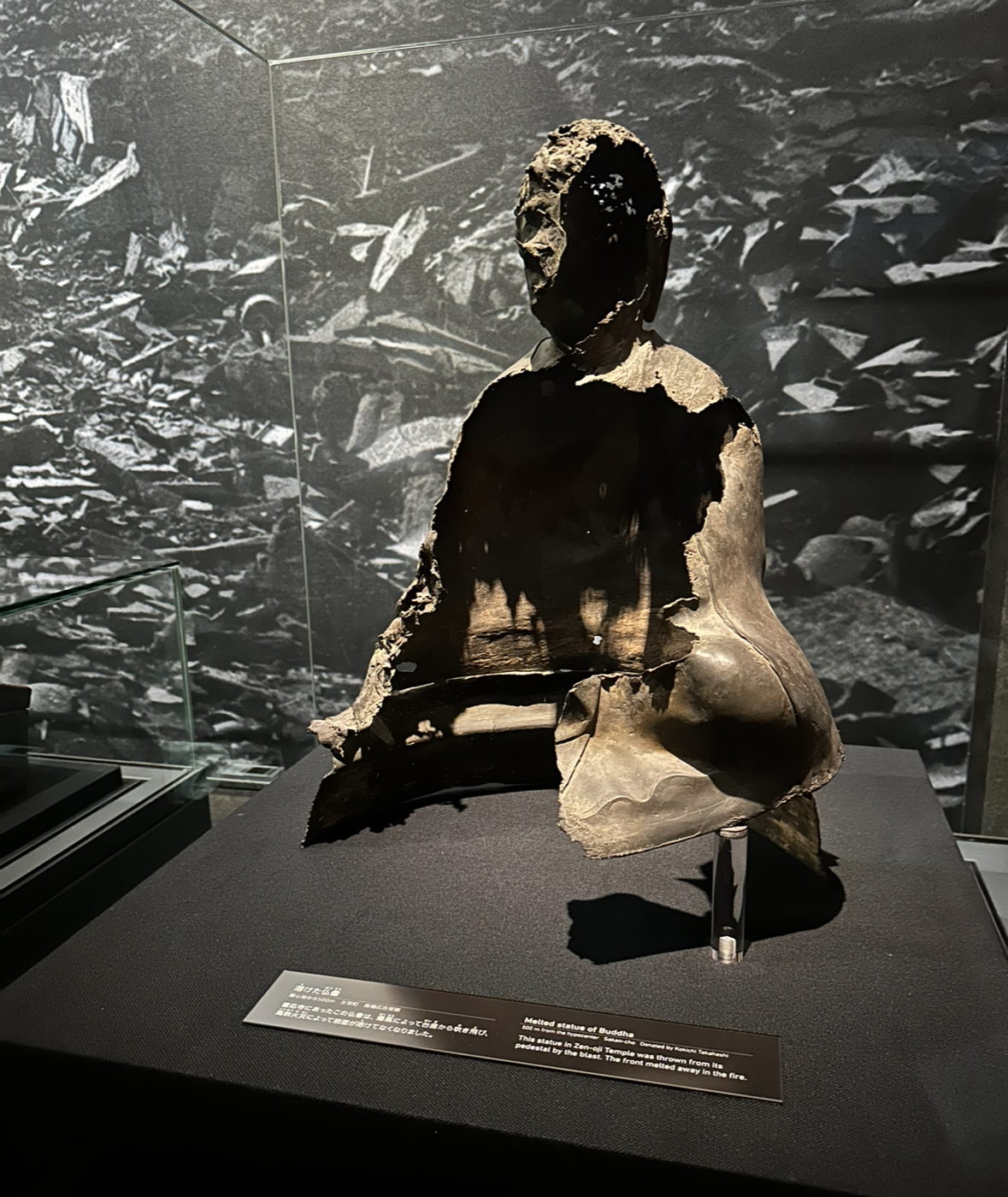
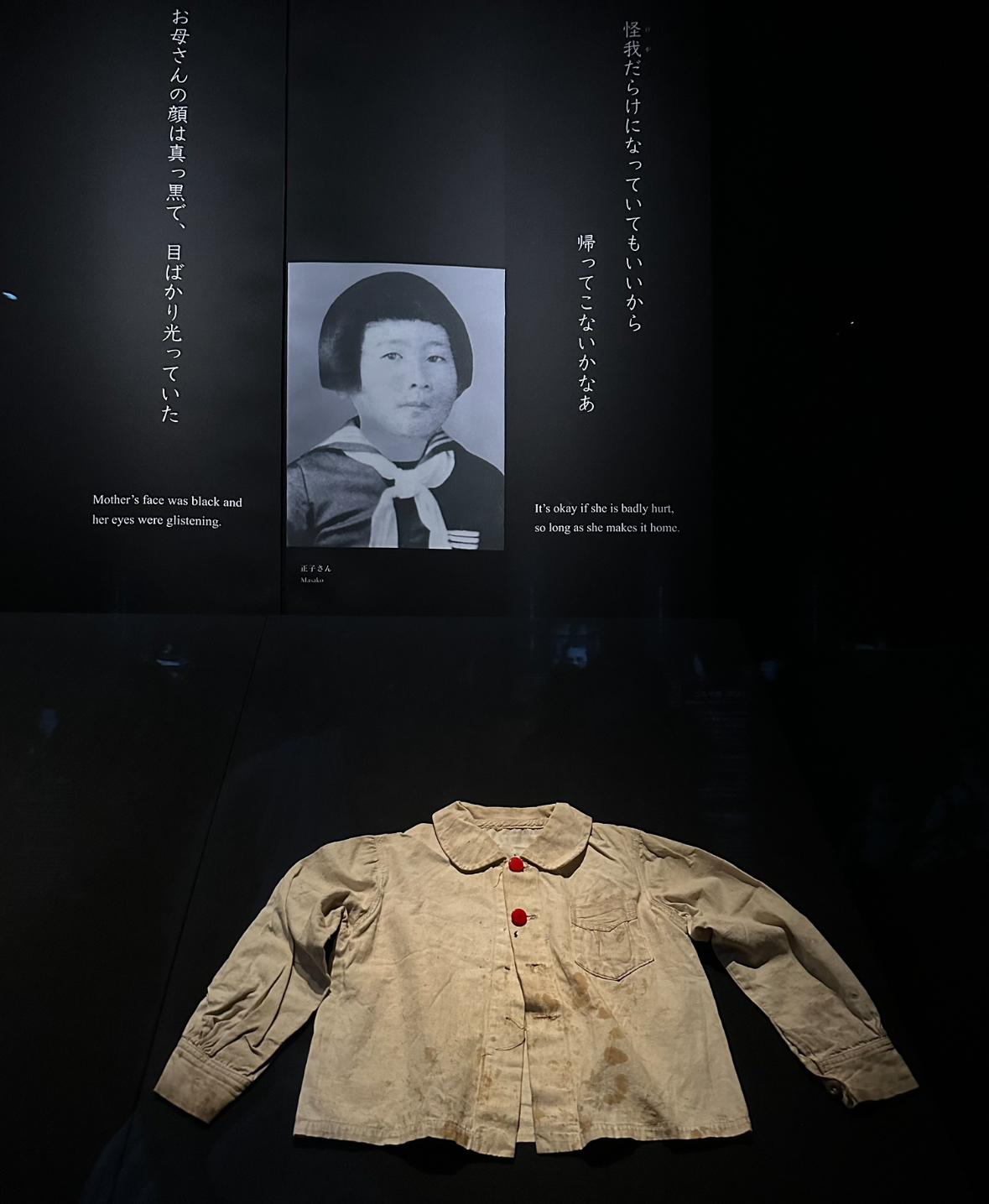
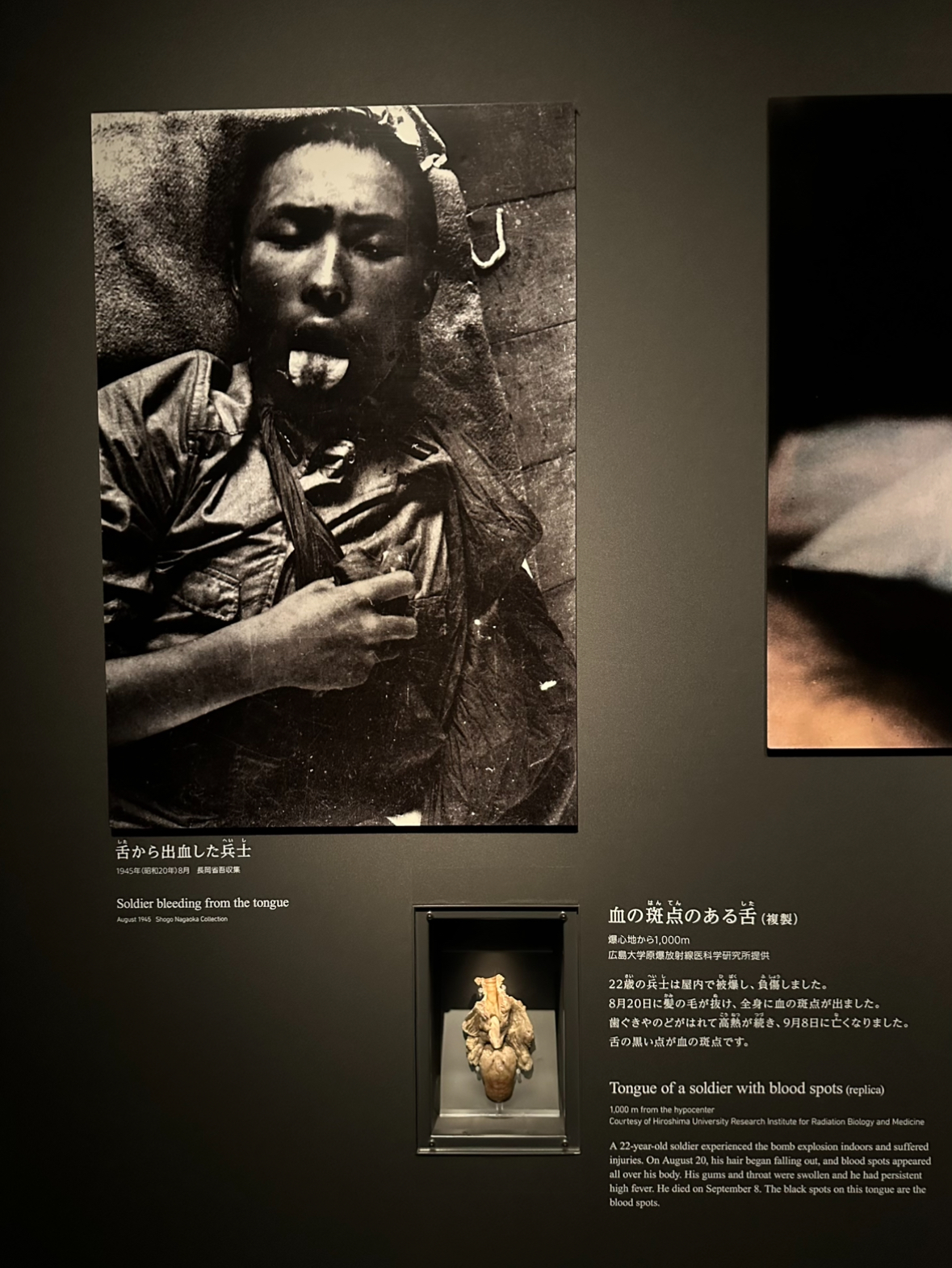
The main building of the museum displays about 500 items, such as victims’ belongings and related materials. Here, visitors can explore detailed exhibits describing the horrors and devastation of the atomic bomb.
Main building:
Hiroshima on Aug. 6, 1945
- Devastation on Aug. 6
- Damage from radiation
Victims and survivors
- Cries of the soul
- To live
A graphic content warning is displayed before entering the main building, as it houses the most explicit exhibits, showcasing pictures and descriptions of the immediate aftermath of the bomb and victims’ injuries. There is also information regarding some victims and survivors, including preserved items and art depicting the devastation. The two exhibits evoke a somber feeling that is heavy on the soul.
Hiroshima Peace Memorial Museum is both insightful and educational, yet also harrowing. The museum aids in teaching and preserving vital pieces of history from one of the most significant events in modern times.
About The Author