Miyajima Island rests along the salty shores of Hiroshima. Among the tourists and famous landmarks, such as the O-torii Gate and Itsukushima Shrine, lies the undeniable presence of nature.
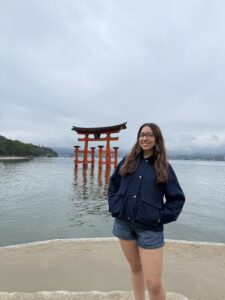
The infamous O-Torii Gate, being inside the Itsukushima Shrine, is one of the first pictures that comes up when googling Japan. Although this floating beauty residing in the water receives so much praise, the nature on the island must not be overlooked.
Despite this, nature can be seen in even the O-Torii Gate. During high tide, the O-Torii Gate appears to float because the water rises just enough to create the illusion. In contrast, when Hiroshima Bay, which is the body of water surrounding Miyajima Island, enters low tide, the water recedes so far that visitors are able to actually walk up to the gate and touch it.

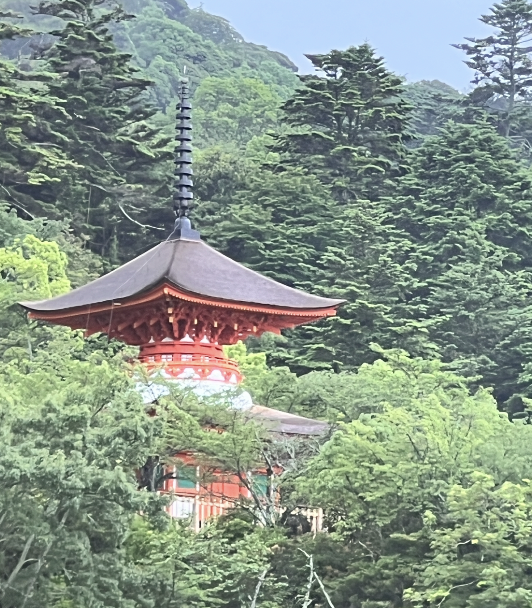
Hiroshima Bay is home to Miyajima Island’s 535 meter Mt. Misen which holds hundreds of hidden forests that are untouched by human infrastructure. Beyond the wildlife, sacred origins run deep. The island itself is said to occupy ancient gods, hence the prohibition of births, deaths, and burials for centuries.
As for the wildlife, specifically the wild deer, they are considered sacred because they are seen as divine messengers of the gods in the Shinto religion. The Shinto belief is that humans must demonstrate gratitude and harmony with nature.

Greenery surrounds the island as the smell of beach waves and salty air breezes through the sky. Looking past the dozens of shops and restaurants lined across the streets of Miyajima, it’s important to pay attention to the great abundance of wildlife as well.
Wildlife is very evident in even the Miyajima Public Aquarium, which showcases over 380 marine species. These species are mainly those that reside in the Seto Inland Sea, which are the waters surrounding Miyajima, including Hiroshima Bay. Visitors are able to see different kinds of Japanese native fish, seabirds, penguins, sea lions and even seals. Not only does this aquarium showcase marine life, but also the interconnectedness of the rivers, oceans and forests. This exhibit called “From Mountains to Sea” educates on how forests nurture the sea, with minerals from the trees flowing through streams into the ocean, which feeds marine life.
While there is much to do on Miyajima, there is no shortage of paths that run for miles, engulfed in trees and foliage. Even the urbanized areas of the island are riddled with green vines and plants that scale up the walls and streets, not to mention the great number of deer that roam through the crowds of people with no fear.
The fear in question lies with the tourists who forget to hide their plastic bags and personal belongings. This is because the deer on Miyajima, unlike those in Nara, where they are notorious for being happily fed, are not supposed to be fed.
“We will see about 500-600 wild deer that are tame and very nice unless you attack them. If you have some paper or food in your hand, they might come to you and try to eat it”, said SJMC Japan group’s tour guide Michio-san.
This, however, does not stop anyone from feeding the deer, as Michio-san previously affirmed.
The wild deer wander amongst the tourists on Miyajima, joyfully biting into the leaves being offered to them. Many of the deer rest underneath the vibrant green foliage, while others freely walk up to people and say hello by nibbling their clothing. The way these animals coexist with the urbanization on the island creates this unique bond between nature and civilization.
Although there are signs plastered on every wooden post asking tourists to respect, and of course not to feed, the wildlife, the deer seem to gravitate towards people. They have grown accustomed to the constant food handed out to them, which is why deer are less likely to be found in the depths of the forests.
Breathtaking views are around every corner, and there are plenty of trails to hike while enjoying the scenery. Even if the weather is gloomy with rain, the picturesque landscape does not fade. Fog flows through the elevated trees of Mt. Misen, and it is the perfect place to be when feeling sick of the booming city. Small paths span across the island, but three paths can lead to Mt. Misan’s summit. Despite these trails being steep and taking about two hours to hike, the view is said to be promising.

Through the shopping streets and the hiking paths surrounded by forest, the most memorable experience may not be the famous landmarks, but the hidden treasures you find in the salty air and the wildlife covered trails.
About The Author